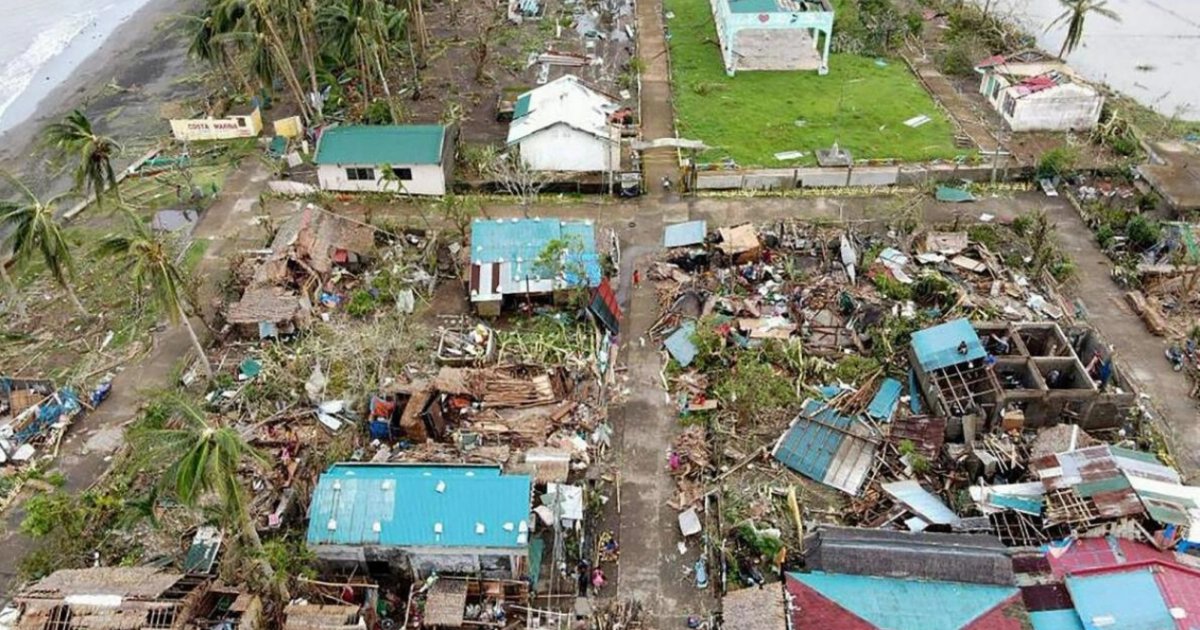
Typhoon Man Yi has caused widespread destruction in the Philippines, where powerful storms have destroyed dozens of homes and affected the lives of thousands. Local authorities warn of further repercussions as severe weather conditions persist.
The typhoon, which struck multiple areas in the Philippines, resulted in massive destruction of infrastructure, leading to the displacement of many families. Images from the affected areas show horrific scenes, with homes overturned and roofs blown away, reflecting the storm's ferocity.
Details of the Event
Several regions in the Philippines were severely affected by Typhoon Man Yi, which made landfall accompanied by heavy rains and strong winds. According to initial reports, over 100 homes were destroyed in coastal areas, in addition to damage to many roads and bridges, hindering relief efforts.
Local authorities declared a state of emergency in the most affected areas, where rescue and relief teams were dispatched to assist those affected. Schools and public facilities were also closed as a precautionary measure to protect residents.
Background & Context
The Philippines is considered one of the most storm-prone countries in the world, located in a region known as the "Typhoon Belt." Historically, the country has experienced numerous natural disasters that have led to significant human and material losses. Despite ongoing efforts to improve infrastructure and develop early warning systems, climate change is increasing the severity of these natural phenomena.
In recent years, the Philippines has seen a noticeable increase in the number of powerful typhoons, raising concerns about the country's ability to cope with these challenges. Studies have shown that climate changes play a significant role in increasing the frequency and intensity of typhoons.
Impact & Consequences
The repercussions of Typhoon Man Yi go beyond physical damage, directly affecting the lives of residents. The mass displacement of families means that many people may lose their homes and livelihoods. Additionally, the health situation may deteriorate due to a lack of health facilities and clean water.
A rapid response is required from the government and international relief organizations to ensure the provision of necessary humanitarian assistance. Relief efforts are expected to continue for an extended period, as those affected will need sustainable support to rebuild their lives.
Regional Significance
Although the Philippines is far from the Arab region, natural events such as Typhoon Man Yi remind us of the importance of preparedness for disaster response. Arab countries also face climatic challenges, such as droughts and floods, necessitating the development of effective strategies to adapt to these changes.
International cooperation in humanitarian relief becomes increasingly important in light of the rising natural disasters. Arab countries should learn from the experiences of the Philippines and other nations in dealing with natural disasters.
In conclusion, Typhoon Man Yi highlights the urgent need to strengthen early warning systems and develop effective strategies to adapt to the impacts of climate change. There must be joint efforts from all countries to address these increasing challenges.