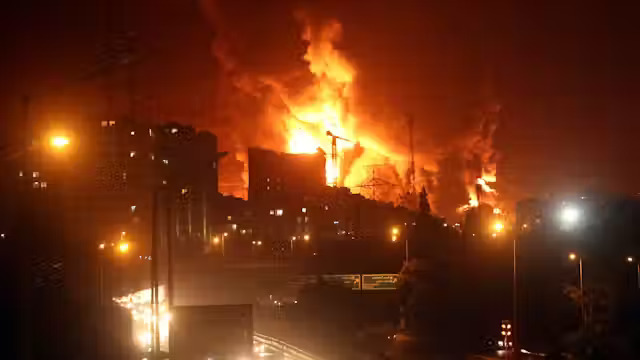
The United Arab Emirates has accused Iran of engaging in 'blackmail' in the Strait of Hormuz, coinciding with ongoing Iranian drone and missile attacks in the Gulf region. These accusations reflect the escalating tensions in the area, where the Strait of Hormuz is a vital strategic point through which approximately 20% of global oil supplies pass.
These statements come amid increasing tensions between Iran and Gulf states, as the UAE seeks to enhance its security and stability in the face of potential threats. The UAE has emphasized the importance of protecting maritime navigation in the Strait of Hormuz, which is considered a lifeline for global economies.
Details of the Incident
The UAE's warnings followed a series of attacks carried out by Iran, targeting commercial vessels in the Gulf. These attacks have raised widespread international concern, as this region is one of the most sensitive areas in the world. Reports indicate that the recent attacks may be part of an Iranian strategy to increase pressure on Western nations.
In this context, the UAE has stressed the necessity of regional and international cooperation to ensure the safety of navigation in the area. It has also called for decisive action against any threats that could impact maritime security.
Background & Context
Historically, the Strait of Hormuz has witnessed recurring tensions between Iran and neighboring countries, particularly amid political and military disputes in the region. Since 2019, Iranian attacks on commercial vessels have escalated, prompting major powers to bolster their military presence in the Gulf.
Iran views the Strait of Hormuz as a strategic area, using it to transport oil and gas to global markets. In recent years, Iran has leveraged this region as a means to exert pressure on its adversaries, leading to heightened tensions in international relations.
Impact & Consequences
The repercussions of these tensions extend beyond the region, potentially affecting global oil prices and increasing instability in markets. If Iran continues its attacks, major powers may take military or economic actions in response to these threats.
Moreover, the escalation in the Strait of Hormuz could lead to increased tensions between Iran and Western nations, negatively impacting peace efforts in the region. It is crucial for the involved countries to collaborate to ensure regional stability and avoid military escalation.
Regional Significance
The Gulf states, including the UAE, are at the heart of these tensions, as their economies heavily rely on oil exports. Any escalation in the region could impact security and stability, leading to serious economic and social repercussions.
Furthermore, tensions in the Strait of Hormuz could exacerbate tensions between Arab states and Iran, complicating dialogue and regional cooperation efforts. It is essential for Arab nations to enhance cooperation among themselves to address shared challenges.