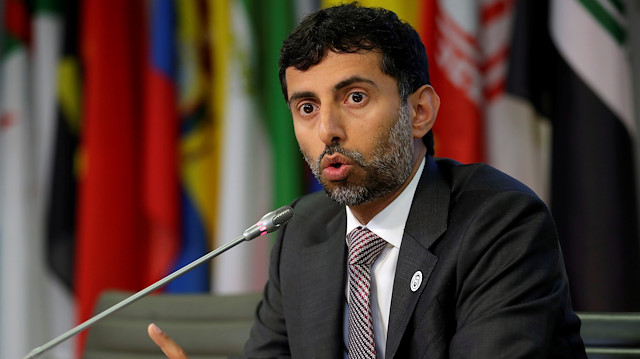
The UAE Minister of State for International Cooperation, Reem bint Ibrahim Al Hashimy, participated on Thursday in a virtual meeting of foreign ministers concerning the Strait of Hormuz, hosted by UK Foreign Secretary Yvette Cooper. This meeting occurs during a period of heightened tensions in the region, underscoring the importance of international cooperation to ensure security and stability in this vital area.
The Strait of Hormuz, considered one of the most important maritime passages in the world, sees about 20% of the world's total oil flow. Consequently, any tensions in this strait can significantly impact global markets and drive up oil prices. The virtual meeting aims to discuss ways to enhance cooperation among concerned nations to ensure safe navigation in this critical corridor.
Event Details
The foreign ministers' meeting included participation from several concerned nations, addressing issues related to maritime security and the challenges facing navigation in the Strait of Hormuz. Discussions also focused on ways to enhance cooperation among countries to bolster security and stability in the region. UAE Minister Reem Al Hashimy emphasized the importance of dialogue and cooperation among nations to ensure safe navigation and protect shared interests during the meeting.
Security challenges facing the region were also addressed, including the increasing military activities in the territorial waters. UK Foreign Secretary Yvette Cooper expressed the significance of this meeting in enhancing international cooperation to tackle common challenges.
Background & Context
The Strait of Hormuz is a vital transit point for oil and natural gas, historically marked by tensions among the bordering nations. In recent years, tensions between Iran and Western nations have escalated, raising concerns over the safety of navigation in the strait. These tensions alarm oil-producing and consuming countries, as any disruption in navigation could lead to rising oil prices and affect the global economy.
Historically, the strait has witnessed numerous maritime incidents, including attacks on commercial vessels, prompting nations to bolster their military presence in the area. This situation necessitates dialogue and cooperation among the concerned countries to avoid any escalation that could impact regional and international security.
Impact & Consequences
Tensions in the Strait of Hormuz have direct implications for the global economy, as any rise in oil prices can lead to increased transportation and production costs, affecting the prices of goods and services. Furthermore, ongoing tensions may result in heightened military investments in the region, increasing the risks of escalation.
The virtual meeting reflects the efforts of nations to strengthen cooperation in facing these challenges and indicates the importance of collective action to ensure safe navigation in the strait. Participating countries emphasized the need to enhance dialogue and information sharing to address common threats.
Regional Significance
Tensions in the Strait of Hormuz directly affect Arab countries, especially those reliant on oil exports. Any escalation in the region could have negative repercussions on Arab economies, necessitating cooperation among Arab nations to enhance security and stability.
Moreover, strengthening cooperation between Arab countries and Western nations in this context can contribute to greater stability in the region and enhance economic development opportunities. The virtual meeting represents a positive step towards achieving this goal.
The virtual meeting of foreign ministers regarding the Strait of Hormuz reflects the importance of international cooperation in addressing security challenges. Amid increasing tensions, dialogue and cooperation remain the key to ensuring safe navigation and regional stability.