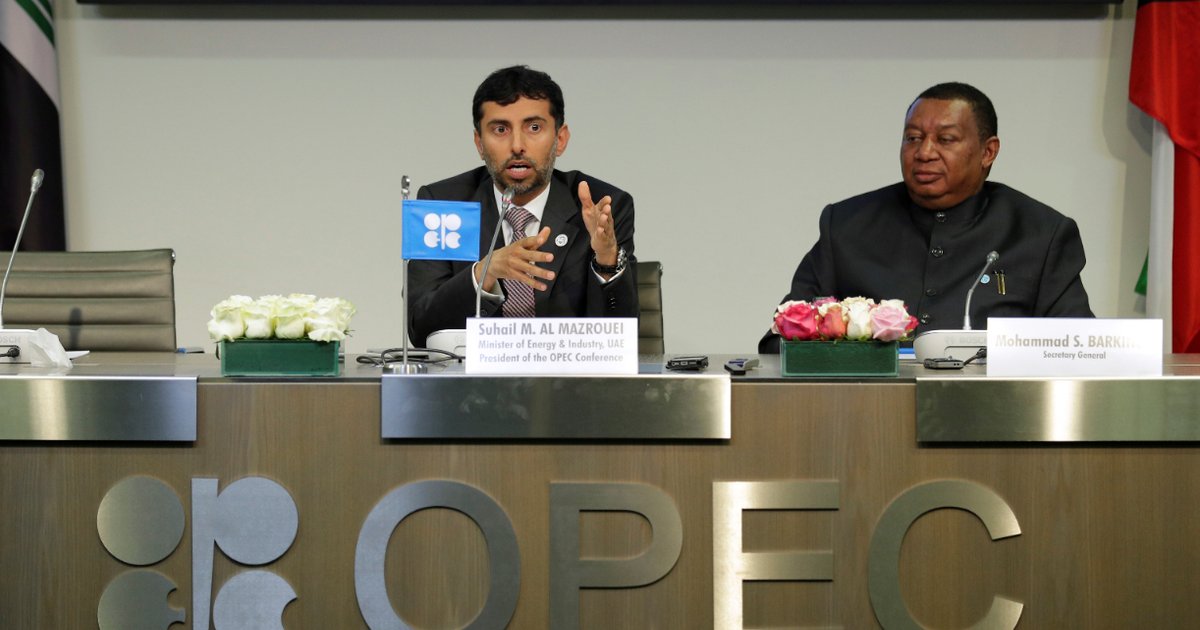
The United Arab Emirates has declared its intention to boost its oil production to 5 million barrels per day after its exit from the OPEC+ alliance. This announcement was made by the UAE's Minister of Energy, who emphasized that this move is part of the nation's strategy to enhance its competitiveness in the global oil market.
Through this decision, the UAE aims to achieve its ambitious economic goals, as increasing production is a significant step towards boosting national revenues and meeting the rising demand for energy. The minister noted that the UAE has the capacity to achieve this target thanks to substantial investments in the energy sector.
Details of the Announcement
In his statements, the Minister of Energy clarified that the UAE will gradually increase its oil production capacity, focusing on utilizing modern technologies to improve efficiency. He also confirmed that this decision will not negatively impact the country's commitments to the global market but will enhance its competitive ability.
This announcement comes after a period of tensions within the OPEC+ alliance, where the UAE sought to increase its production share amid some member countries' withdrawal from their commitments. This situation led the UAE to decide to withdraw from the alliance, granting it greater freedom in managing its oil production.
Background & Context
Historically, the UAE has been one of the key members of OPEC, playing an important role in stabilizing global oil prices. However, changes in the global market and economic pressures have prompted the UAE to reassess its oil strategy. Its withdrawal from OPEC+ represents a significant shift in the country's energy policy, reflecting its desire for greater independence in managing its resources.
The UAE is considered one of the leading oil-producing countries, possessing substantial reserves of oil and gas. With the increasing global demand for energy, the UAE seeks to better exploit these resources to bolster its national economy.
Impact & Consequences
This decision is expected to have significant effects on the global oil market. The increase in UAE production may lead to price changes, as other countries will seek to adapt to this new reality. Additionally, this decision could encourage other nations to take similar steps, potentially leading to further tensions within the market.
Moreover, the increase in production may enhance the UAE's status as a leading energy nation, which could attract more foreign investments. This could contribute to the long-term economic growth of the country.
Regional Significance
The UAE is seen as a model in the Arab region, where many countries are striving to enhance their production capabilities in the energy sector. This decision may encourage other Arab nations to take similar steps, leading to changes in the dynamics of the regional market.
Furthermore, the increase in UAE production may affect relations among Arab countries, as some nations will seek to strengthen their cooperation with the UAE in energy sectors. At the same time, this move may lead to increased competition among oil-producing countries in the region.