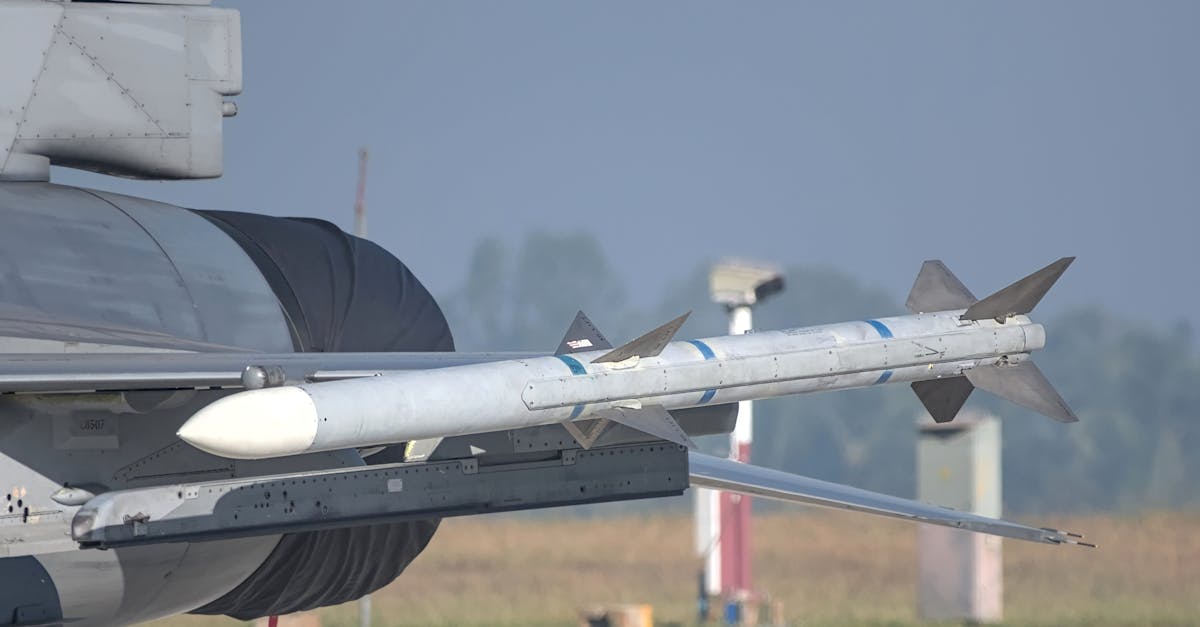
In a move reflecting the rising tensions in the Gulf region, the United Arab Emirates announced that its air defense systems successfully intercepted a missile threat coming from Iran. This development occurs at a sensitive time, as concerns about a potential military escalation between the two countries have increased, amid the ongoing political and economic crises in the region.
According to local sources, the UAE's air defenses were able to detect and destroy the missiles before they reached their targets, demonstrating the efficiency of the UAE's military systems and their capability to handle increasing threats. This incident raises questions about the security situation in the region, especially given the ongoing tensions between Iran and the Gulf Arab states.
Details of the Incident
Reports indicate that the missile attack targeted strategic sites in the UAE, but the air defenses were on high alert and successfully repelled the threat. This incident is not the first of its kind, as the region has witnessed numerous missile attacks in recent years, raising concerns about regional security.
The UAE is among the countries that have invested heavily in modernizing and developing their defense capabilities, aiming to protect its territory and interests from any external threats. This incident showcased the effectiveness of these investments, reinforcing the UAE's position as a regional power.
Background & Context
Historically, relations between Iran and the Gulf Arab states have been marked by increasing tensions, particularly following the Iranian nuclear agreement in 2015. This agreement, reached between Iran and major powers, raised concerns among Gulf states wary of Iran's growing influence in the region. These fears have intensified following the escalation of Iranian military activities in Iraq, Syria, and Lebanon.
In recent years, Iran has developed its military capabilities, including ballistic missiles and drones, further heightening tensions in the region. The UAE, along with other Gulf states, has expressed its concerns regarding these activities, prompting them to bolster their defense capabilities.
Impact & Consequences
Analyses suggest that escalating tensions between Iran and the UAE could lead to negative repercussions for regional stability. Military conflicts may intensify, threatening security in the Gulf region, which is considered one of the most strategically important areas in the world.
Moreover, these incidents could impact the regional economy, potentially leading to increased oil prices and a decline in foreign investments. Military tensions may also exacerbate political tensions between states, complicating peace and stability efforts in the region.
Regional Significance
This incident serves as a wake-up call for other Arab states, reflecting the urgent need to enhance security and defense cooperation among Arab nations to address common threats. Amid rising tensions, Arab countries must take proactive steps to protect their interests and security.
In conclusion, these events underscore the importance of strengthening defense capabilities and regional cooperation to face increasing security challenges. The successful interception of missile threats reflects the UAE's ability to protect its territory, but it also highlights the necessity for collective action among Arab states to achieve stability and security in the region.