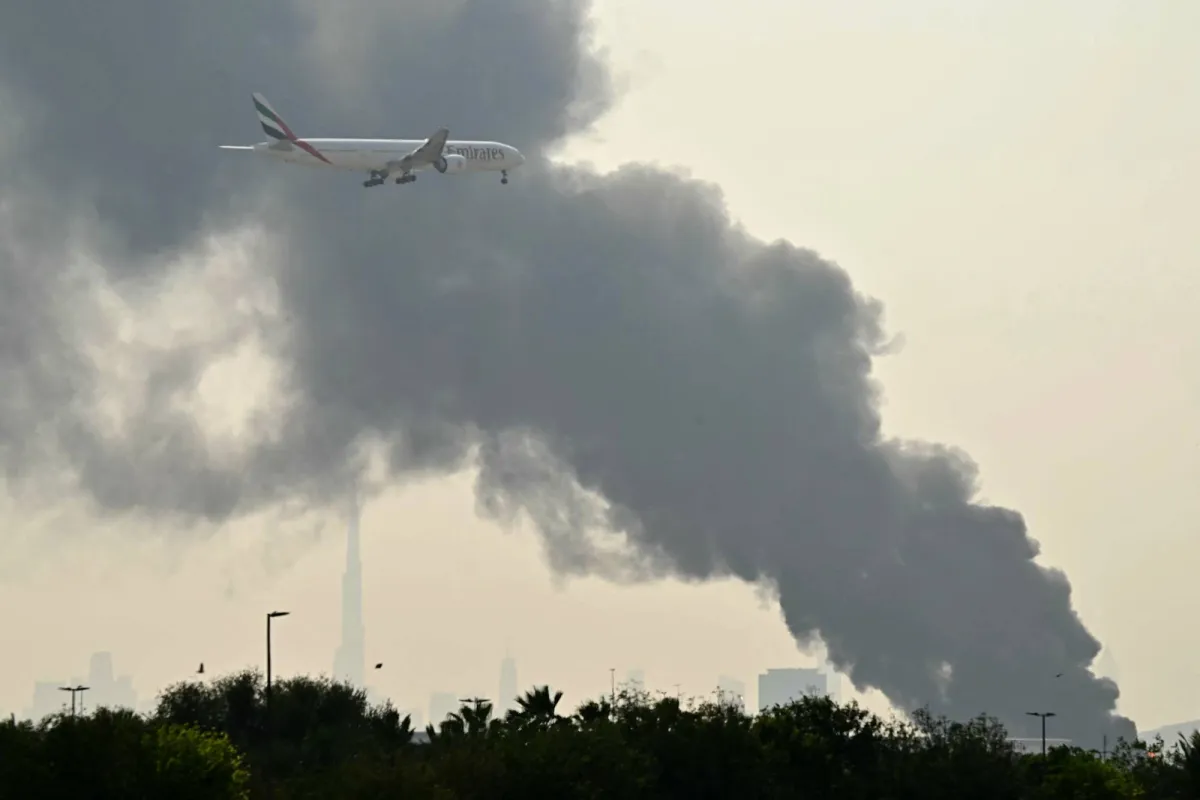
On Tuesday, UAE air defenses successfully intercepted a ballistic missile and 11 drones coming from Iran, reflecting the UAE's ability to confront the escalating aerial threats in the region.
The UAE Ministry of Defense reported that these operations are part of efforts to counter ongoing Iranian aggressions, having intercepted a total of 520 ballistic missiles, 26 cruise missiles, and 2221 drones since the onset of these attacks.
Details of the Incident
No fatalities or injuries were reported in the past hours, while the total number of injuries since the beginning of Iranian aggressions on the UAE has reached 221 injuries from various nationalities. These figures reflect the ongoing threat faced by the UAE from Iran, necessitating the enhancement of air defenses.
In a related context, Sultan Haitham bin Tariq of Oman emphasized the importance of intensifying efforts to achieve de-escalation in the Gulf region, especially amid rising tensions between the United States and Israel on one side and Iran on the other. This statement was made during his meeting with Sheikh Jaber Al-Ahmad Al-Sabah, the Kuwaiti Foreign Minister, where current events in the region were discussed.
Background & Context
The Gulf region is experiencing increasing tensions due to regional conflicts, with Iran continuing its attacks through missiles and drones. These assaults are part of its strategy to bolster its influence in the area, prompting neighboring countries to strengthen their air defenses.
Saudi Arabia also condemned the incursion by an Israeli minister into the courtyards of Al-Aqsa Mosque, stressing the need to respect international laws and the sanctity of Islamic holy sites. These events reflect the political and religious dimensions of the conflict in the region and their impact on regional security.
Impact & Consequences
These events contribute to heightened tensions in the Gulf region, which could lead to potential military escalation. Gulf states, including the UAE and Saudi Arabia, are taking proactive measures to enhance their security, reflecting their concerns over Iranian threats.
These circumstances require international community intervention to halt the escalation, as the continuation of these attacks could affect regional stability and increase civilian suffering. Additionally, these events could impact the global economy, especially with rising oil prices due to tensions in the region.
Regional Significance
These developments underscore the importance of cooperation among Arab states to confront common threats. Strengthening air defenses and security coordination among Gulf countries is essential to maintain security and stability in the region.
In conclusion, the situation in the Gulf remains under close observation, as any escalation could lead to serious repercussions for regional and international security.