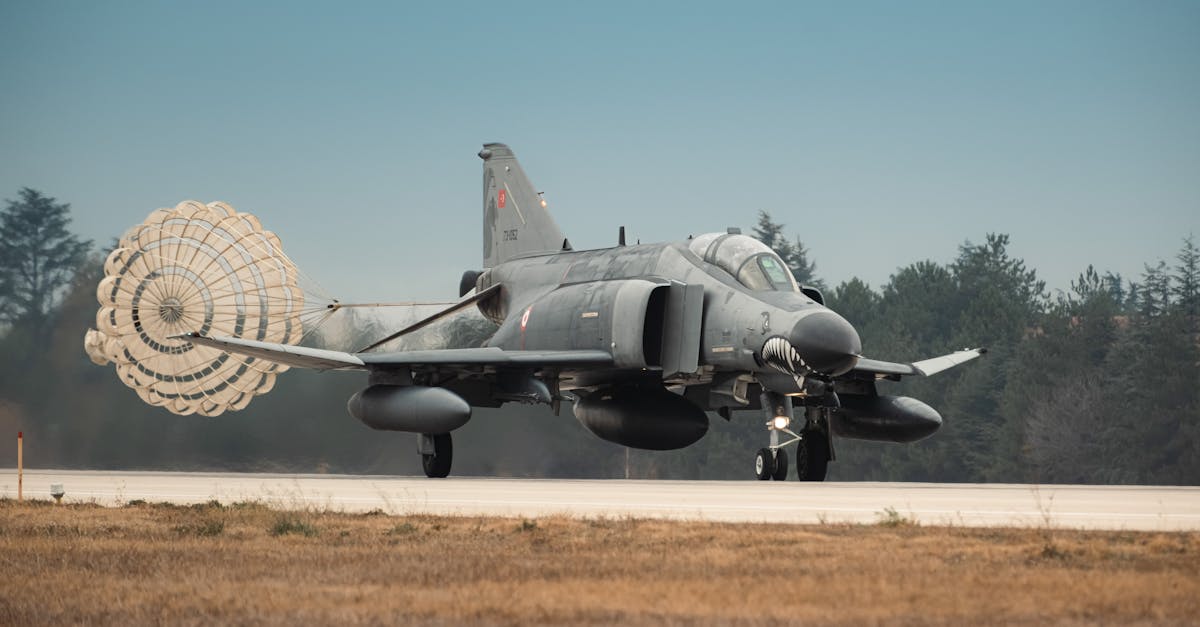
The UAE air defenses successfully intercepted missiles and drones coming from Iran, reflecting the country's preparedness to face regional threats. The attacks come at a sensitive time characterized by increasing military activities in the Gulf.
Military sources reported that the air defenses managed to thwart the attacks, demonstrating the efficiency of the defensive systems possessed by the UAE. The attacks did not result in any damage, highlighting the armed forces' capability to protect UAE airspace from external threats.
Details of the Incident
The attacks on the UAE occurred during a time of heightened tensions between Iran and Gulf states, with military activities in the region on the rise. The UAE air defenses, which have been strengthened in recent years, proved effective in countering such threats.
These events follow a series of hostile statements from some Iranian officials, further escalating tensions in the region. The UAE, considered one of the United States' key allies in the area, continues to enhance its defensive capabilities to address any potential threats.
Background & Context
Historically, the Gulf region has experienced ongoing tensions between Iran and Arab states, particularly following the United States' withdrawal from the Iranian nuclear deal. This withdrawal led to a spike in tensions, as Iran increased its military activities in the area, affecting regional security.
The UAE, aiming to maintain its stability and security, has bolstered its defense capabilities by purchasing advanced systems from Western countries, contributing to improved readiness to face any threats.
Impact & Consequences
The recent attacks could lead to an escalation of tensions between Iran and Gulf states, potentially impacting regional security. If these attacks continue, the UAE may be compelled to take more stringent measures to safeguard its security.
The consequences may also include increased military cooperation between the UAE and Western nations, as it seeks to enhance its defensive capabilities against Iranian threats. This cooperation could lead to further investments in the defense sector.
Regional Significance
These events signal a rise in tensions in the Gulf region, which may affect stability in neighboring countries. Other Arab states may feel concerned about the escalation of Iranian military activities, prompting them to strengthen their own defense capabilities.
Ultimately, the UAE remains in a strategically sensitive position, necessitating decisive actions to ensure its security and that of the region as a whole. The increasing security challenges require an effective response from all concerned nations.