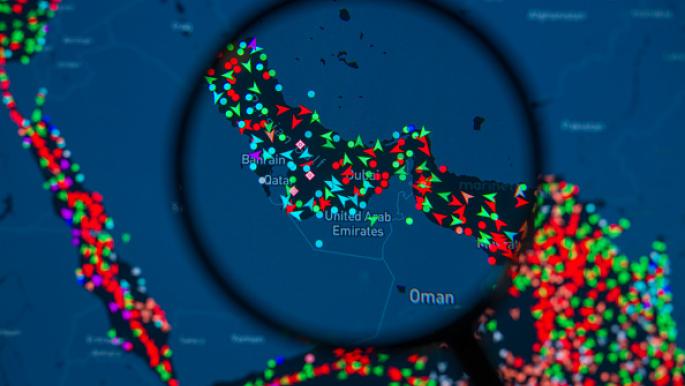
The Financial Times reported on Friday that the United Arab Emirates has informed the United States and its Western allies that it is prepared to participate in an international force aimed at securing the Strait of Hormuz. This move reflects the UAE's commitment to maritime security in one of the world's most crucial waterways, which sees significant traffic of oil and natural gas.
The UAE is one of the key countries in the Arabian Gulf region, playing a pivotal role in regional stability. This announcement comes at a sensitive time, as concerns grow over escalating military tensions in the area, particularly following a series of incidents that have occurred in the Gulf waters in recent months.
Details of the Announcement
According to informed sources, the UAE has expressed its readiness to participate in this international force as part of its efforts to enhance regional security. This announcement coincides with calls from the United States to strengthen cooperation among allied nations in addressing potential threats in the Strait of Hormuz, which is considered a lifeline for the global economy.
It is noteworthy that approximately 20% of the world's total oil passes through the Strait of Hormuz, making it a sensitive strategic point. In recent years, the strait has witnessed an escalation in military activities, including the detention of oil tankers and attacks on commercial vessels.
Background & Context
Historically, the Strait of Hormuz has been the scene of numerous conflicts and tensions between major powers. In 2019, the region experienced a series of attacks on oil tankers, leading to heightened tensions between Iran and the United States. The United States responded by bolstering its military presence in the area, which increased the intensity of confrontations.
The UAE aims through this step to reinforce its position as a key supporter of regional security, especially amid the growing challenges facing the area. Additionally, this participation may reflect the UAE's desire to strengthen its relations with Western powers, particularly the United States, in the face of security threats.
Impact & Consequences
The UAE's participation in an international force to secure the Strait of Hormuz could lead to significant changes in the security dynamics of the region. This move is likely to enhance cooperation among allied nations, which may contribute to reducing tensions in the area.
However, the UAE may face considerable challenges, as this participation could escalate tensions with Iran, which considers the Strait of Hormuz part of its sphere of influence. Consequently, this step may place the UAE in a sensitive position between supporting regional security and maintaining its relations with Iran.
Regional Significance
This move is significant for other Arab countries, as it may impact the overall stability of the region. Enhancing security in the Strait of Hormuz could help protect the interests of other Arab nations that rely on exporting oil and gas through this vital corridor.
Furthermore, this step may open the door for increased cooperation between Arab countries and Western nations in the fields of security and defense, thereby strengthening the region's ability to face future security challenges.
In conclusion, the UAE's readiness to participate in an international force to secure the Strait of Hormuz reflects its commitment to regional security and underscores the importance of international cooperation in addressing rising threats. However, this step comes at a sensitive time, as the UAE needs to balance its relations with regional and international powers.