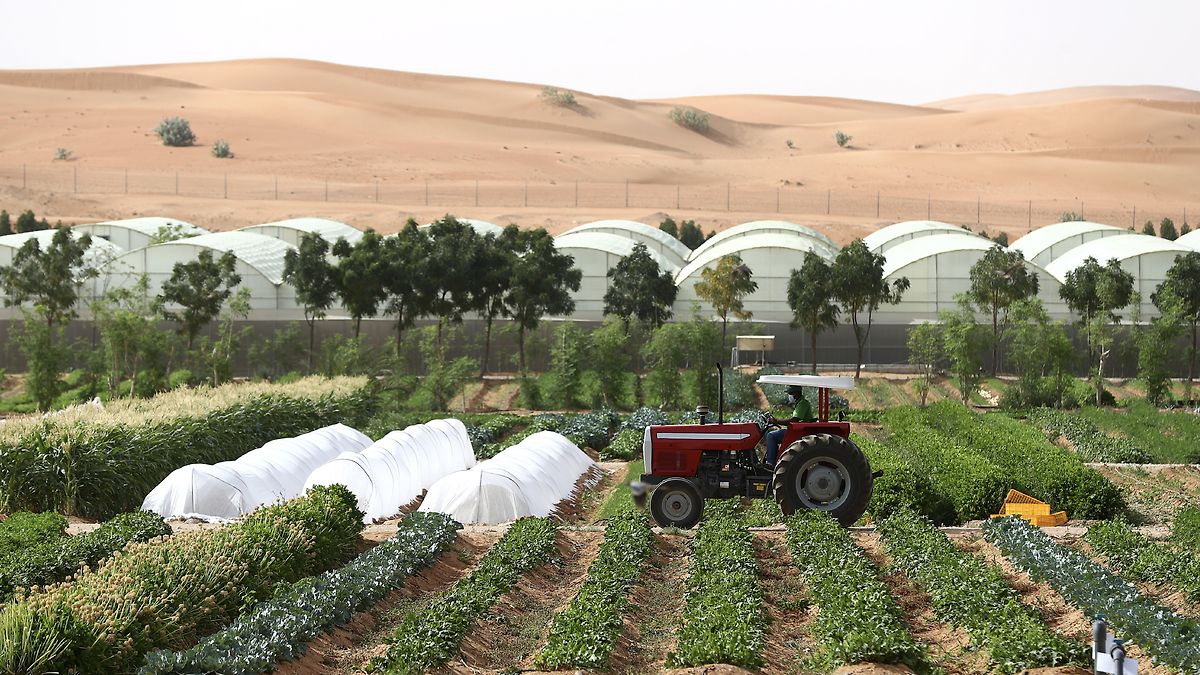
The Abu Dhabi Agriculture and Food Safety Authority has announced a series of effective steps to protect the agricultural sector in the emirate, following the extensive damage caused by the severe storms that recently hit the region. These measures aim to enhance food security and ensure the sustainability of agriculture amid increasing climatic challenges.
The steps announced by the authority include providing technical and financial support to affected farmers, as well as enhancing awareness programs on how to cope with harsh climatic conditions. Additionally, these measures involve developing a more resilient agricultural infrastructure to face future challenges.
Details of the Event
These steps come after Abu Dhabi experienced severe storms that resulted in the destruction of vast areas of agricultural land, negatively impacting crop production. The authority has assessed the damage to farms, estimating losses in the millions of dirhams. Through these measures, the authority aims to rehabilitate affected farms and ensure the continuity of agricultural production.
The authority also emphasized the importance of collaboration between various government entities and the private sector to achieve the desired goals. These efforts are also expected to include improving irrigation systems and providing modern agricultural technologies to help farmers adapt to changing climatic conditions.
Background & Context
Agriculture is considered a vital sector in the United Arab Emirates, significantly contributing to food security. With the increasing climatic challenges such as rising temperatures and storms, it has become essential to take effective measures to protect this sector. Historically, the UAE has witnessed continuous efforts to promote sustainable agriculture, but recent climatic changes have posed new challenges that require a swift and effective response.
In recent years, the UAE government has invested in modern agricultural technologies, such as vertical farming and hydroponics, aimed at increasing productivity and reducing reliance on imports. However, the recent storms have highlighted the need to bolster these efforts and develop new strategies to adapt to climatic changes.
Impact & Consequences
These measures represent an important step towards enhancing food security in the UAE, as agriculture plays a crucial role in providing food for the population. These steps are expected to mitigate the impact of natural disasters on agricultural production, thereby strengthening the country's capacity to face future challenges.
Moreover, these efforts may open up new investment opportunities in the agricultural sector, boosting economic growth and creating new job opportunities. Improving agricultural infrastructure and providing support to farmers can contribute to enhancing environmental and economic sustainability in the country.
Regional Significance
The UAE's experience in addressing agricultural challenges serves as a model for the Arab region, where many Arab countries face similar challenges due to climatic changes. Strengthening food security through effective strategies can contribute to achieving economic and social stability in the region.
Additionally, cooperation among Arab countries in agriculture and the exchange of experiences can enhance the ability to confront climatic challenges, thereby strengthening food security across the region as a whole. The UAE's experience in this field may inspire other countries to adopt similar strategies.