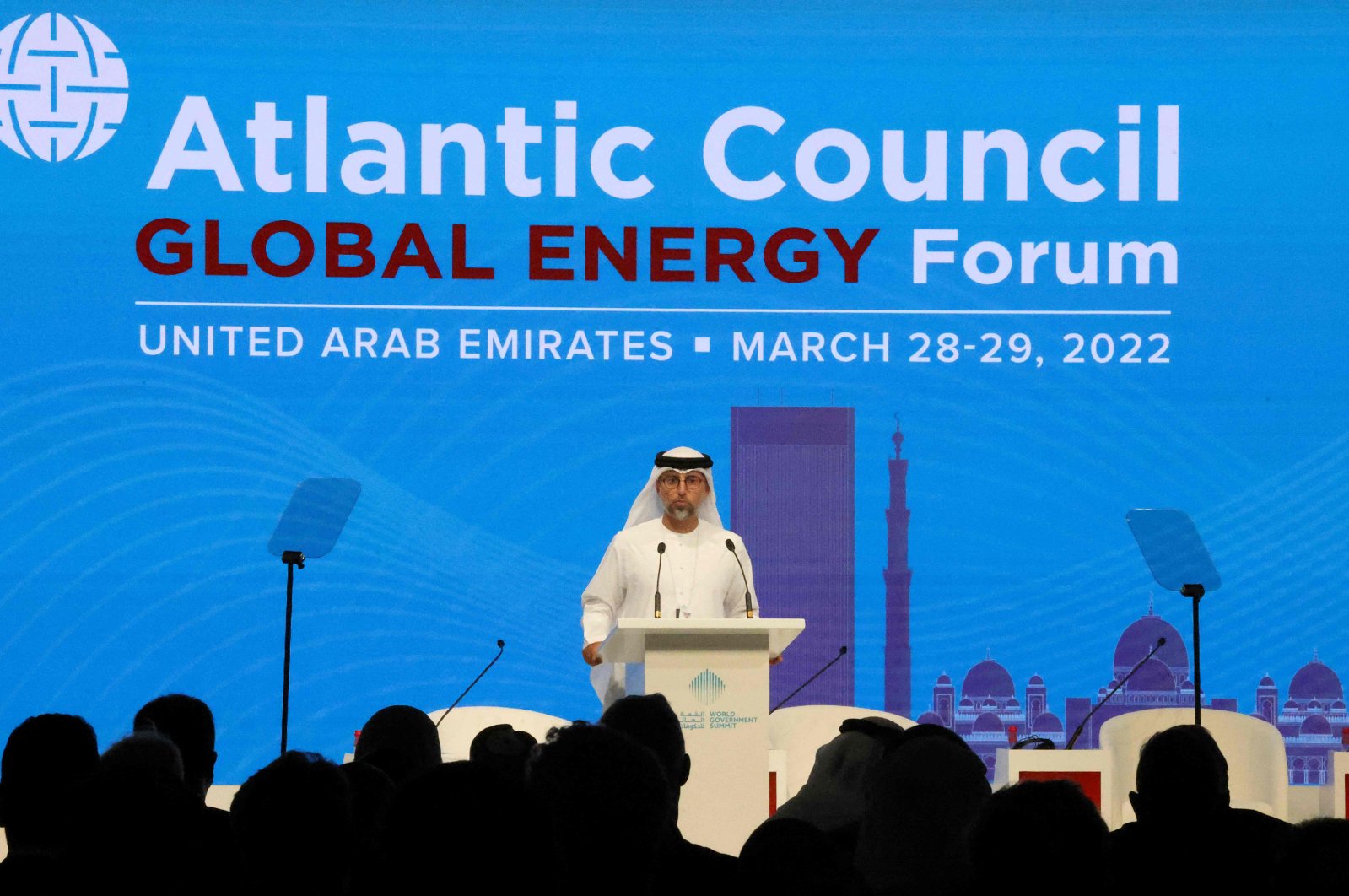
The UAE Minister of Energy and Infrastructure, Suhail Mohamed Faris Al Mazrouei, stated that the rapid geopolitical changes, especially in vital maritime corridors, impose a new reality on the global trade system. Al Mazrouei pointed out that these challenges necessitate a proactive and clear approach to address them, requiring all nations to commit to securing the main waterways that connect countries around the world and enhancing the resilience of supply chains.
In his remarks, Al Mazrouei explained that strengthening supply chain resilience is vital to ensuring the continuity of global trade, especially in light of the recurring crises the world has faced in recent years. He stressed the need for coordination among countries to secure maritime corridors, which are the lifelines of global trade, noting that any threat to these corridors could significantly impact the global economy.
Event Details
Al Mazrouei's statements came during an international conference on energy and infrastructure, where he discussed the importance of international cooperation in addressing geopolitical challenges. He affirmed that the UAE is always striving to enhance its partnerships with other countries to ensure the sustainability of supply chains, mentioning that the UAE is considered a global hub for trade and energy, placing it in a strategic position to secure these chains.
He also highlighted the importance of innovation and technology in bolstering supply chain resilience, stating that digital solutions can play a crucial role in improving transportation and distribution efficiency. He emphasized the necessity for countries to invest in modern technology to facilitate trade movement and ensure its safety.
Background & Context
Global trade faces multiple challenges due to geopolitical disruptions, such as regional conflicts and economic crises. These challenges have led to an increased need to enhance supply chain resilience, as countries are becoming aware of the importance of securing the maritime and land corridors through which global trade flows.
Historically, maritime corridors have represented vital points for trade, through which massive quantities of goods pass. With the rise of geopolitical tensions, it has become essential for countries to cooperate to ensure the safety of these corridors, reflecting the significance of Al Mazrouei's statements.
Impact & Consequences
Enhancing supply chain resilience has positive implications for the global economy, as it can contribute to reducing transportation costs and increasing the efficiency of business operations. Securing maritime corridors also boosts investor confidence and encourages increased investments in vital sectors.
On the other hand, failing to take effective measures could exacerbate economic crises, negatively impacting all countries, especially those that rely heavily on foreign trade. Therefore, international cooperation in this area is crucial to ensuring global economic stability.
Regional Significance
The Arab region is among the most affected by geopolitical changes, as it hosts many vital maritime corridors. Thus, Al Mazrouei's statements come at a sensitive time, as Arab countries need to enhance cooperation among themselves to ensure the security of these corridors.
Strengthening supply chain resilience in the Arab region can contribute to achieving sustainable development, as Arab countries can leverage their geographical location to enhance intra-regional trade and increase commercial exchange. Additionally, cooperation in this area may help bolster the economic security of the region.
In conclusion, the importance of enhancing supply chain resilience emerges as a fundamental priority to address the increasing geopolitical challenges. Arab countries must adopt effective strategies to ensure the safety of maritime corridors and enhance cooperation in this field.