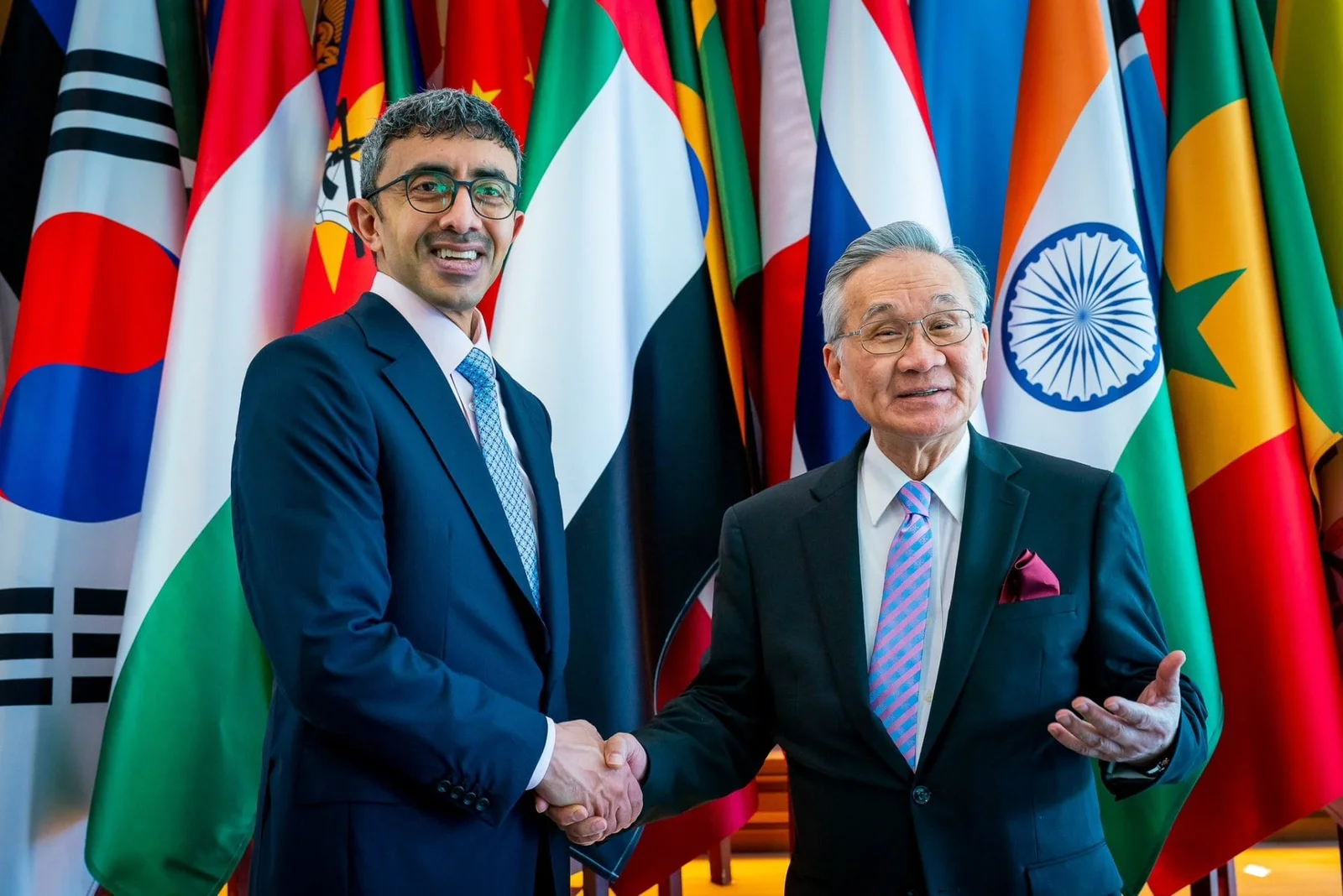
UAE Minister of State for Foreign Affairs, Anwar Gargash, emphasized that some media outlets have misinterpreted the United Arab Emirates' position amid rising tensions in the region, especially after recent Iranian attacks. This was stated during a press conference held in Abu Dhabi, where Gargash pointed out that the UAE is striving to achieve stability in the region and understands the challenges it faces.
In his remarks, Gargash clarified that the UAE is committed to a diplomatic path for resolving conflicts and prefers dialogue over escalation. He also noted that the recent Iranian attacks have impacted regional security, necessitating all parties to work together to avoid further escalation.
Details of the Event
Gargash's statements come at a sensitive time, as the region has witnessed an increase in tensions between Iran and Gulf countries, particularly following a series of attacks targeting vital facilities in the UAE and Saudi Arabia. These attacks have raised significant concerns in political and media circles, prompting many observers to analyze the potential reactions from the involved countries.
Gargash also indicated that the UAE is working to strengthen its partnerships with friendly nations in the region, affirming that security and diplomatic cooperation is the only way to achieve stability. He reiterated that the UAE does not seek escalation but aims to enhance dialogue and understanding among all concerned parties.
Background & Context
Historically, relations between the UAE and Iran have been strained due to various issues, including border disputes and Iranian interventions in the internal affairs of Gulf states. In recent years, there has been an uptick in Iranian military activities, heightening concerns among Gulf countries about potential threats to their security.
In this context, the UAE is considered one of the countries striving to achieve a balance in its relations with Iran, attempting to safeguard its national interests amid increasing tensions. The UAE has shown resilience in dealing with regional issues, reflecting its desire to avoid armed conflicts.
Impact & Consequences
Analyses suggest that the UAE's statements may influence how the international community addresses tensions in the region. While the UAE seeks to bolster its position as a supporter of stability, it may face challenges in convincing some nations of the necessity of adopting a diplomatic approach rather than military escalation.
Moreover, the Iranian attacks could lead to increased military support for Gulf countries from major powers, potentially complicating the security situation in the region. Thus, the UAE plays a pivotal role in shaping regional security strategies.
Regional Significance
The UAE is seen as a model for how to handle regional tensions, as it seeks to promote cooperation among Arab countries to face shared challenges. Gargash's statements may encourage other Arab nations to adopt a similar approach in dealing with Iran, which could contribute to greater stability in the region.
In conclusion, the UAE's position amid these tensions remains crucial, as it can significantly impact regional and international relations. Enhancing dialogue and understanding among nations is the only way to achieve security and stability in the region.