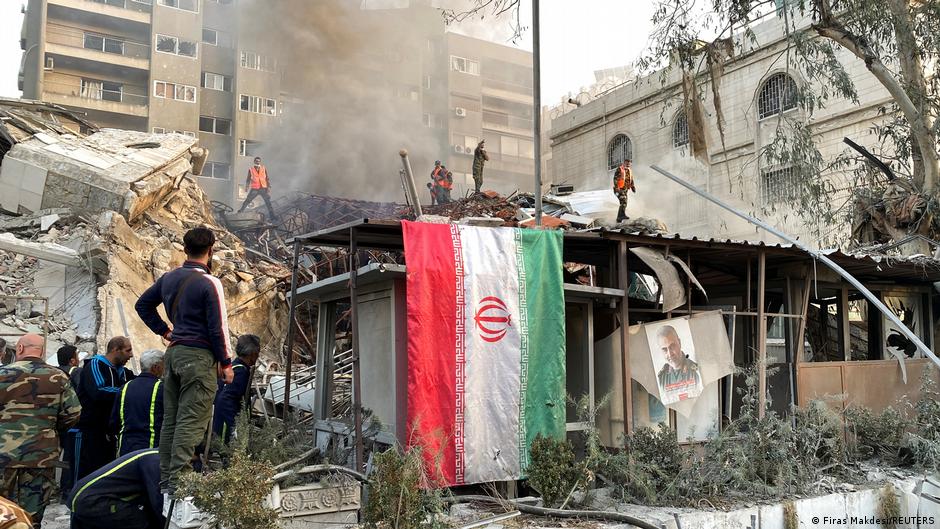
The UAE Ministry of Foreign Affairs condemned the attacks on its diplomatic mission in the Syrian capital, Damascus, on Saturday. The ministry expressed its strong condemnation of the vandalistic acts that targeted its embassy and the residence of the head of the mission, emphasizing the necessity of respecting the sovereignty of nations and their institutions.
The ministry clarified that these attacks represent a blatant violation of diplomatic norms, stressing that such actions cannot be accepted or justified under any circumstances. The UAE reaffirmed its firm stance in supporting security and stability in the region, categorically rejecting any form of violence or vandalism.
Details of the Incident
These attacks come at a sensitive time for the region, where international relations are experiencing increasing tensions. Reports indicate that the attacks were premeditated, deliberately targeting diplomatic buildings, raising concerns about the safety of diplomatic missions in conflict areas.
In this context, the UAE emphasized the importance of protecting diplomats and diplomatic facilities, noting that these attacks not only reflect a lack of respect for international conventions but also threaten peace and stability efforts in the region.
Background & Context
Historically, UAE-Syrian relations have experienced numerous fluctuations, especially following the outbreak of the conflict in Syria in 2011. However, the UAE has sought to rebuild relations with Damascus in recent years, reflecting its desire to enhance regional stability.
The UAE is considered one of the countries striving to support political solutions in Syria, having reopened its embassy in Damascus in 2018, which indicates its intention to strengthen cooperation with the Syrian government. Nevertheless, the recent attacks may prompt a reevaluation of this direction and affect future relations between the two countries.
Impact & Consequences
These attacks could escalate tensions between the UAE and Syria, potentially affecting peace efforts in the region. Additionally, these events may lead other countries to reassess their diplomatic presence in Syria, complicating the security situation further.
Moreover, attacks on diplomatic missions may have negative repercussions on relations between Arab countries, as some nations may feel concerned about the safety of their missions in conflict zones.
Regional Significance
These attacks serve as a wake-up call for Arab countries regarding the necessity of enhancing security and protecting diplomatic missions. They also highlight the need for greater coordination among Arab nations to address shared security challenges.
In conclusion, the international community must take a firm stance against attacks on diplomatic missions to ensure respect for international laws and protect diplomats worldwide.