The United Arab Emirates has strongly condemned the recent Israeli escalation in Gaza, denouncing the use of force against unarmed Palestinians. The UAE emphasized the necessity of respecting human rights and protecting civilians, urging the international community to take a firm stance against these violations.
In an official statement, the UAE Ministry of Foreign Affairs and International Cooperation expressed deep concern regarding the military escalation, stressing the importance of returning to dialogue as a means to resolve the conflict. It also called for the protection of Palestinian civilians and the cessation of all hostilities that exacerbate the humanitarian situation in the region.
Details of the Incident
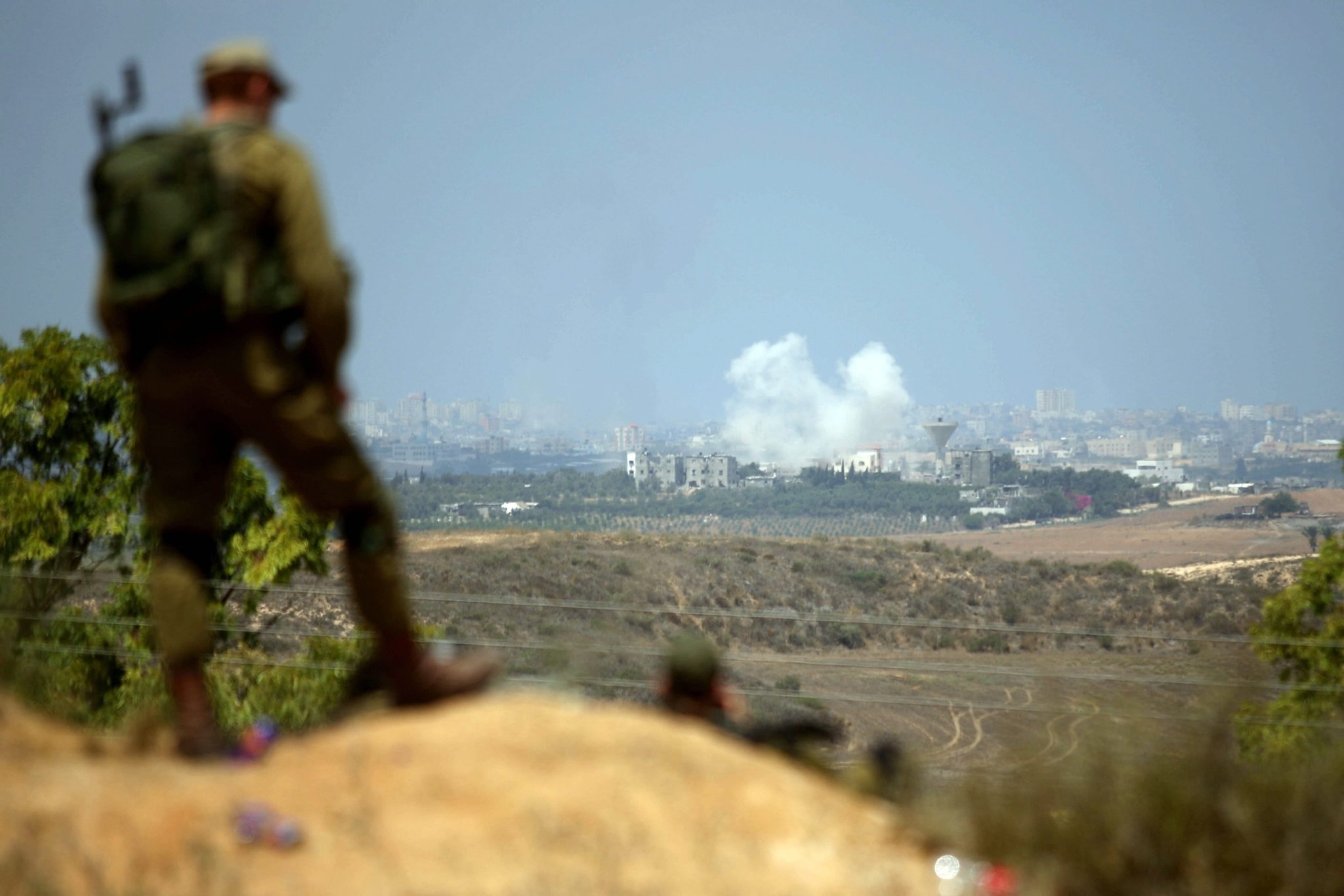
These statements come at a time when Gaza is witnessing military escalation by Israeli forces, with airstrikes targeting residential areas and resulting in numerous casualties. These military operations have provoked angry reactions from the international community, with many countries considering these actions to be in violation of international law.
In this context, the UAE reaffirmed its steadfast position in supporting the rights of the Palestinian people, emphasizing the need to achieve a just and comprehensive peace in the region. It also called for an end to the Israeli occupation of Palestinian territories and the opening of new avenues for dialogue and understanding among all concerned parties.
Context and Background
Historically, relations between Palestinians and Israelis have been marked by ongoing tensions, with the roots of the conflict dating back to the mid-20th century. Israeli policies, including settlement expansion in occupied territories, have exacerbated the humanitarian situation in Gaza and the West Bank.
In recent years, many countries, including the UAE, have attempted to play a mediating role in the peace process, but these efforts have yet to yield tangible results. As violence escalates, concerns grow regarding the worsening humanitarian conditions in Gaza, where residents suffer from severe shortages of essential resources.
Impact and Consequences
The UAE's statements may increase pressure on the international community to act more effectively regarding the Israeli-Palestinian conflict. These positions could also enhance the UAE's role as a mediator in the peace process, potentially contributing to progress in future negotiations.
Furthermore, these events may affect relations between Arab countries and Israel, especially in light of normalization agreements that some countries have signed with Tel Aviv. Arab leaders face significant challenges in balancing their national interests with support for Palestinian rights.
Impact on the Arab Region
The Palestinian issue is considered one of the central issues in the Arab world, with events in Gaza eliciting strong reactions from Arab populations. Military escalations may lead to renewed protests in many Arab countries, reflecting solidarity with the Palestinian people.
At the same time, these events may impact regional stability, as fears of escalating violence in the area increase. Therefore, any further escalation could threaten peace and stability efforts in the Middle East.
The Israeli escalation in Gaza calls for urgent international action to protect Palestinian civilians and reflects the pressing need to achieve a just and comprehensive peace in the region.