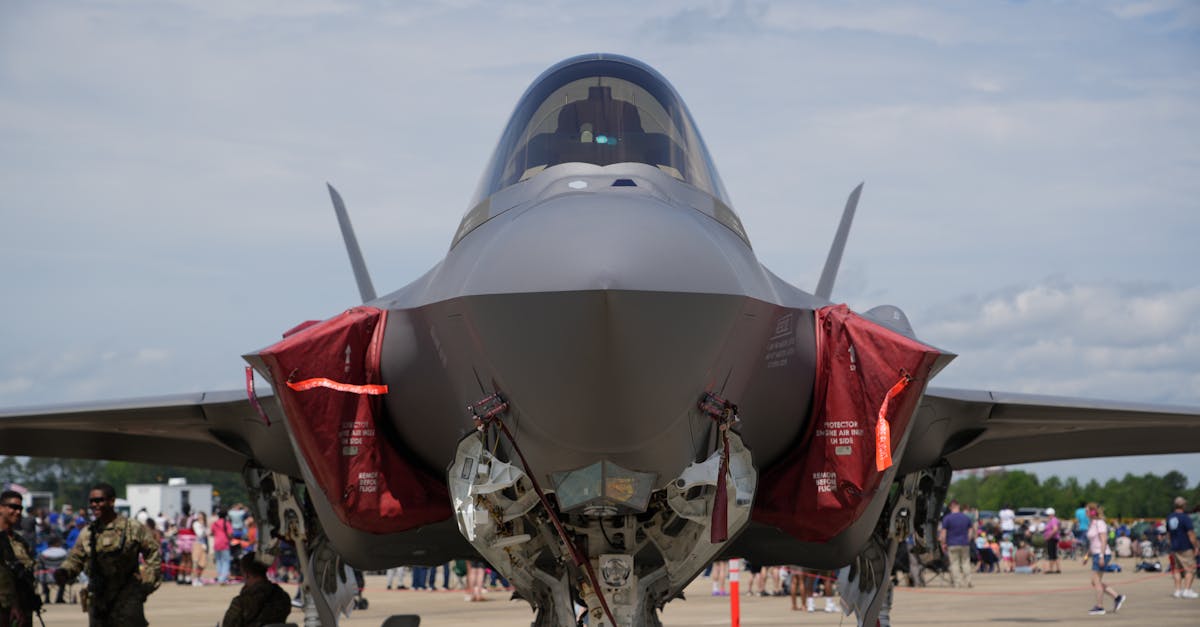
The United Arab Emirates has denied reports suggesting a shift in its defensive posture in light of escalating tensions with Iran. The UAE emphasized that these reports are misleading and do not reflect the reality of its commitment to regional stability and the enhancement of its defensive capabilities.
These statements come at a sensitive time when the region is witnessing heightened tensions between Iran and Gulf states, with increasing fears of military conflict. Official Emirati sources have indicated that the country is closely monitoring the situation and working to strengthen its security partnerships with allies.
Details of the Statement
In an official statement, the UAE Ministry of Foreign Affairs confirmed that reports indicating a change in the UAE's defensive posture are misleading. The ministry clarified that the UAE remains committed to the principles of collective security and cooperation with friendly nations in addressing security challenges.
The ministry further added that the UAE is continuously enhancing its defensive capabilities in line with increasing regional threats. It noted that the country is investing in developing its military capabilities through strategic partnerships with other nations.
Background & Context
The Arab region is experiencing increasing tensions, particularly with the escalation of Iranian military activities in the Gulf. These activities have impacted the relations between Iran and the Gulf Cooperation Council (GCC) countries, raising concerns about the potential outbreak of military conflict.
Historically, the UAE has been one of the countries striving for stability in the region and has played a significant role in diplomatic efforts to resolve disputes. However, the current tensions require the UAE to reassess its defensive strategies in light of new challenges.
Impact & Consequences
The UAE's statements underscore the importance of maintaining regional stability under the current circumstances. Military escalation could have negative repercussions on the regional economy, particularly in trade and energy sectors.
Moreover, the UAE's enhancement of its defensive capabilities may contribute to deterring any potential threats, reflecting its commitment to regional security. However, this could also increase tensions with Iran, necessitating ongoing diplomatic efforts to avoid escalation.
Regional Significance
The UAE is considered one of the key countries in the Gulf, and any change in its defensive posture could affect the balance of power in the region. Therefore, maintaining a strong defensive stance is crucial for ensuring stability.
At the same time, other Arab countries must collaborate with the UAE to bolster regional security, as shared threats require a collective response. Strengthening security partnerships among Arab nations can help mitigate risks and achieve stability.
In conclusion, amid rising tensions in the region, the UAE remains committed to a strong defensive posture, focusing on enhancing its security capabilities and cooperating with its allies. The official statements reflect the country's determination to maintain security and stability in the Gulf, highlighting its leadership role in the region.