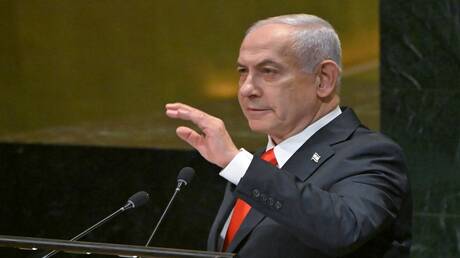
The UAE authorities have refuted reports from the US NPR channel, which claimed that Israeli Prime Minister Benjamin Netanyahu made a secret visit to the Gulf state during the Israeli-American war against Iran. These statements come at a sensitive time when the region is witnessing increasing tensions.
Recent reports have sparked considerable controversy, with Netanyahu's potential visit seen as evidence of a rapprochement between Israel and the UAE. However, the official denial underscores the UAE's steadfast position in its foreign policy.
Details of the Incident
As the situation in the Middle East intensifies, particularly with rising tensions between Iran and the United States, speculation has arisen regarding the possibility of secret talks between Israeli and Emirati officials. However, UAE authorities have confirmed that these reports are unfounded.
The UAE is one of the Arab countries that established diplomatic relations with Israel, signing a normalization agreement in 2020. Nevertheless, any secret visit by Netanyahu could have significant implications for regional relations.
Context and Background
Historically, relations between Arab countries and Israel have been tense, but following the Abraham Accords, some nations have begun to shift their stance. The UAE was among the first countries to take this step, which elicited mixed reactions across the Arab world.
The alleged secret visit by Netanyahu would represent a major shift in regional dynamics, especially amid the ongoing war against Iran. This war, which Israel perceives as an existential threat, could lead to new alliances in the region.
Impact and Consequences
If the reports were accurate, Netanyahu's visit would reflect an unprecedented alliance between Israel and Gulf states, potentially altering the balance of power in the region. However, the UAE's denial illustrates the country's commitment to maintaining its independent stance.
Potential consequences include impacts on relations among Arab states, as it may lead to new divisions between supporters and opponents of normalization with Israel. Additionally, this denial might strengthen the position of countries that reject any form of cooperation with Israel.
Regional Significance
This event highlights the complexities faced by Arab countries amid geopolitical changes. While some nations seek to bolster their relationships with Israel, others remain steadfast in their traditional positions.
This situation underscores the need for open dialogue among Arab countries on how to address regional challenges, particularly concerning Iran. Current tensions could lead to new conflicts if not handled carefully.
The UAE's denial of Netanyahu's visit reflects the challenges Arab nations face amid rapid changes in the region. The question remains open regarding how relations between Arab countries and Israel will evolve in the future.