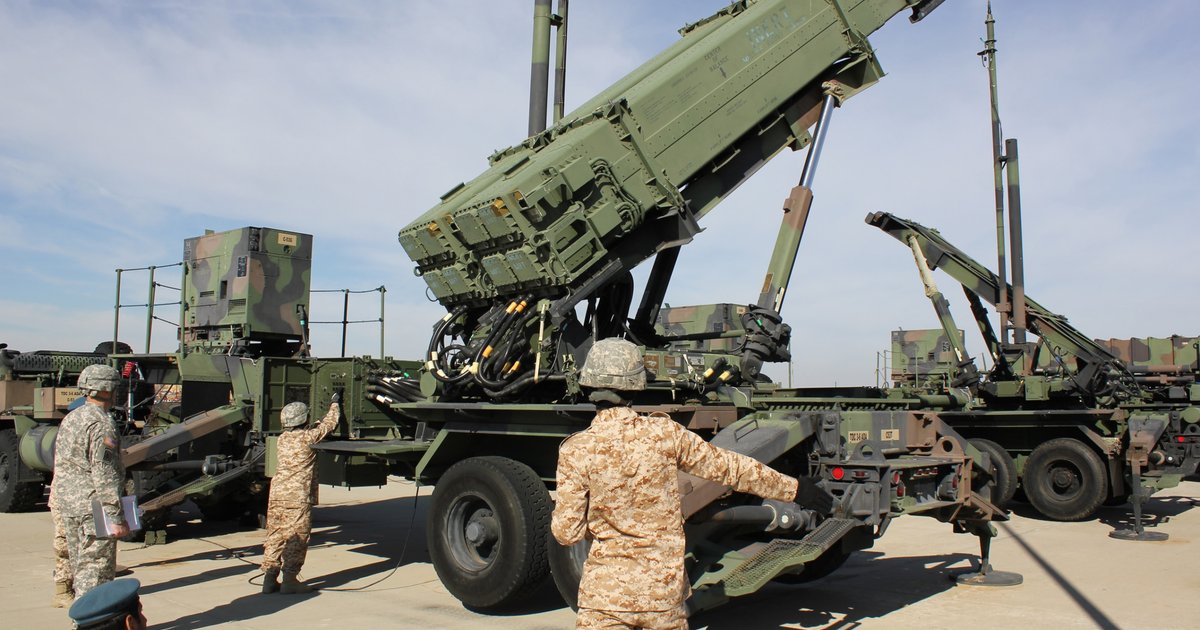
The UAE Ministry of Defense has announced that it successfully intercepted a complex missile attack, dealing with 16 ballistic missiles and 42 drones from Iran. This escalation occurs at a time of heightened tensions in the region, raising concerns about regional security and the stability of neighboring countries.
The attack, carried out by the Iran-backed Houthis, targeted vital areas in the UAE, necessitating a swift response from the UAE Armed Forces. The ministry confirmed that all necessary measures were taken to protect its territory and citizens, noting that air defense systems were effective in countering the attack.
Details of the Incident
In detail, the UAE Ministry of Defense reported that the attack occurred late at night, with missiles and drones detected before reaching their targets. The UAE Armed Forces utilized advanced defense systems to counter the assault, resulting in the destruction of most missiles and drones before they could hit their objectives.
This attack comes amid a continuous escalation by the Houthis, who have intensified their military operations in recent months, targeting Gulf countries, particularly the UAE. Reports indicate that the Houthis have received increased military support from Iran, complicating the security situation in the region.
Background & Context
Historically, relations between the UAE and Iran have experienced increasing tensions, especially following the escalation of Houthi military activities in Yemen. The UAE considers these activities a direct threat to its national security, prompting it to enhance its defensive capabilities and expand military cooperation with allies, including the United States.
In recent years, the UAE has increased its investments in air and missile defense systems, reflecting its commitment to protecting its territory from any threats. These investments have bolstered the UAE Armed Forces' ability to respond to complex attacks.
Impact & Consequences
This incident serves as a wake-up call for Gulf countries, highlighting the need for enhanced security cooperation among nations to address common threats. Furthermore, military escalation could exacerbate conditions in the region, threatening regional stability.
These events may increase pressure on the international community to intervene in the Yemeni conflict, as major powers seek diplomatic solutions to the crisis. However, military escalation could hinder any progress in this direction.
Regional Significance
These developments directly affect security in the Arab region, as fears of escalating armed conflicts grow. Houthi attacks on the UAE could provoke military responses from Gulf countries, potentially heightening tensions in the region.
Ultimately, regional security remains at risk, and Arab nations must work together to confront increasing security challenges. Strengthening military and diplomatic cooperation among Arab states is essential to maintaining stability in the region.