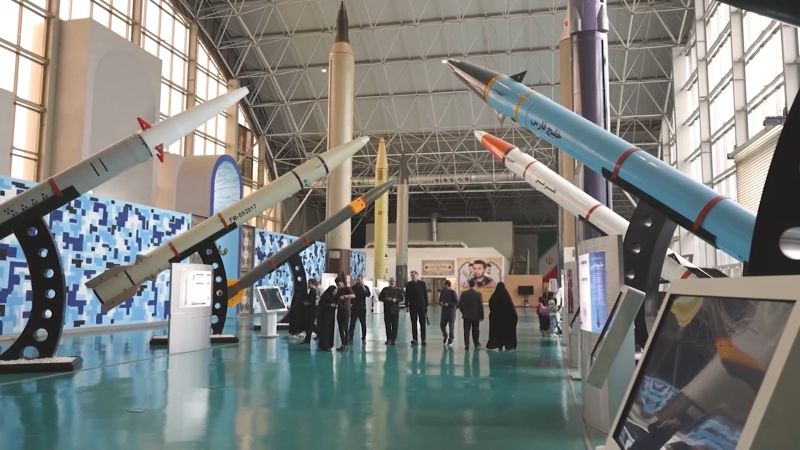
The United Arab Emirates announced it successfully intercepted 20 ballistic missiles and 37 Iranian drones, marking a new escalation in regional tensions. This announcement comes at a sensitive time as regional relations are increasingly strained.
This incident is part of a series of attacks targeting the UAE, with threats from armed groups supported by Iran on the rise, raising concerns about regional security. The UAE's Ministry of Defense confirmed that its air defense systems proved effective in countering these threats, reflecting the country's readiness to face any potential aggressions.
Details of the Incident
According to reports, the missiles and drones were launched from areas controlled by armed groups in Yemen, where these groups continue to direct attacks against the UAE. The UAE's Ministry of Defense stated that the air defenses managed to destroy the targets before they reached their objectives, preventing any damage or casualties.
These events occur within the context of ongoing escalation in the region, where attacks against the UAE have increased in recent months. The UAE has demonstrated an increasing capability to counter these threats, reflecting its significant investments in developing air defense systems.
Background & Context
The roots of the current tensions trace back to the ongoing conflict in Yemen, where the internationally recognized Yemeni government is in conflict with the Iran-backed Houthis. The UAE intervened in the conflict as part of the Arab coalition aiming to support the Yemeni government. However, the rise in attacks on the UAE reflects an escalation in the regional conflict between Iran and its allies on one side and Arab states on the other.
Historically, the region has witnessed numerous crises that have led to heightened tensions, including conflicts in Iraq and Syria. This escalation is viewed as part of Iran's strategy to expand its influence in the region, complicating the security situation further.
Impact & Consequences
These events could lead to increased tensions between the UAE and Iran, potentially affecting regional stability. The escalation of attacks may prompt the UAE to enhance its defensive capabilities, possibly leading to an arms race in the region.
Moreover, these events could impact economic and trade relations in the region, as investments and tourism may be affected due to increased security risks. Such tensions may reduce regional cooperation in various fields, including trade and security.
Regional Significance
These events serve as a wake-up call for other Arab states, highlighting the need to strengthen security cooperation to address common threats. Furthermore, the rising tensions in the UAE could affect security in other Gulf states, necessitating a collective response from Arab nations.
In conclusion, the situation in the region remains complex, with overlapping regional and international interests. The UAE's response to Iranian attacks reflects the country's ability to protect its security, but challenges persist.