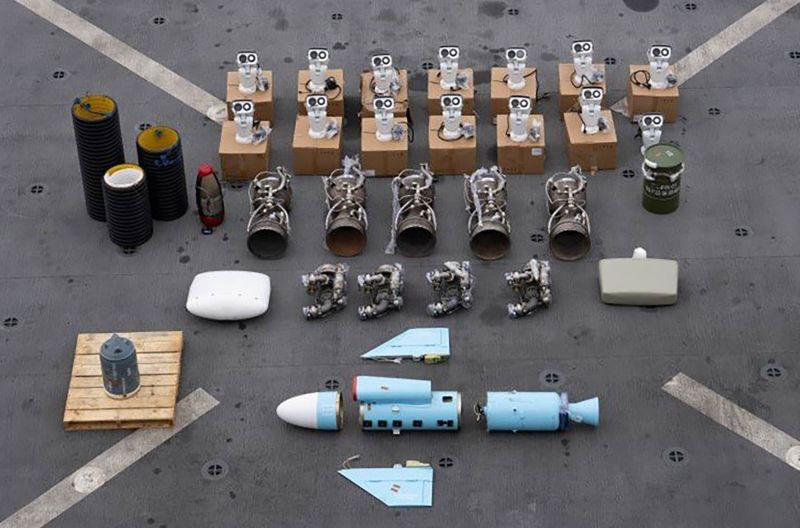
In a move that reflects the readiness of the UAE armed forces, air defenses successfully intercepted 5 ballistic missiles and 35 drones launched from Iran on April 1, 2026. This event occurs at a time when tensions between Iran and Gulf countries are escalating, raising concerns about regional security.
The UAE forces managed to thwart these attacks, showcasing the strength of their air defense system. This success was announced by the UAE Ministry of Defense, which confirmed that all hostile targets were destroyed before they could reach their potential objectives.
Details of the Incident
The attacks that took place on April 1 occurred at a sensitive time, as the UAE was preparing to host significant international events. These attacks provoked strong reactions from the UAE government, which emphasized the necessity of enhancing security and stability in the region. Security measures were also intensified at various vital sites across the country.
These attacks are part of a continuous escalation in tensions between Iran and Gulf countries, where Gulf states accuse Iran of supporting armed groups in the region, exacerbating the conflict. The UAE has demonstrated its ability to counter these threats, reinforcing its position as a supporter of regional security.
Background & Context
Historically, relations between Iran and Gulf countries have seen increasing tensions, especially after the United States withdrew from the Iranian nuclear agreement in 2018. These tensions have led to a rise in military activities from both sides, with Iran seeking to enhance its influence in the region while Gulf states have ramped up their military preparations.
In recent years, the region has witnessed numerous attacks targeting oil facilities and airports, leading to increasing calls for enhanced security cooperation among Gulf countries. The UAE, as one of the prominent nations in the region, plays a pivotal role in this context, striving to bolster its defensive capabilities and collaborate with its allies.
Impact & Consequences
The success in intercepting these attacks reflects the UAE's capability to protect its territory and interests, which may lead to increased confidence in the country's defense system. Additionally, this incident could prompt other countries in the region to enhance their military capabilities, potentially escalating the arms race in the area.
Moreover, countering these attacks may affect relations between the UAE and Iran, as it could heighten tensions between the two sides. Iran may seek to respond to this interception, potentially leading to further escalation in the conflict.
Regional Significance
This event highlights the security challenges faced by Arab countries amid rising Iranian military activities. It also underscores the importance of security cooperation among Arab nations to address common threats. Under these circumstances, Arab countries may seek to strengthen their military alliances and share intelligence to confront any future threats.
In conclusion, the interception of Iranian attacks represents a significant step towards enhancing security and stability in the region. As tensions continue, hopes remain pinned on diplomatic solutions that could help alleviate the conflict and achieve peace in the area.