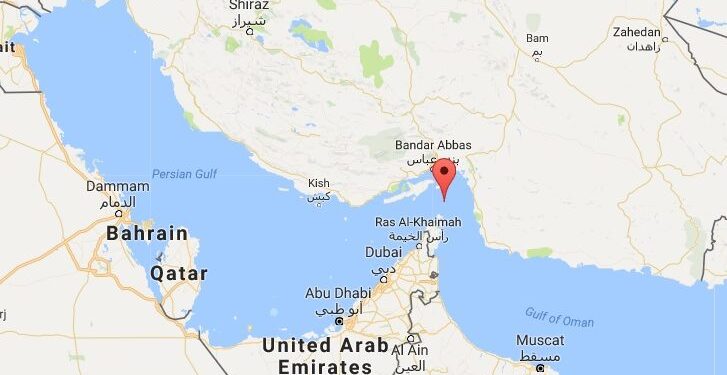
The advisor to the President of the United Arab Emirates has announced that the country will join any efforts led by the United States to secure navigation in the Strait of Hormuz. These statements come at a sensitive time when the region is experiencing heightened tensions related to maritime security, particularly in this vital corridor, which is considered one of the most important maritime routes in the world.
The Strait of Hormuz serves as a major transit point for approximately 20% of global oil, making it a potential target for political and military tensions. The UAE has emphasized the importance of international cooperation to ensure safe navigation in this strategic area, as it seeks to enhance security and stability in the Arabian Gulf.
Details of the Announcement
The UAE advisor made these remarks during a press conference, where he clarified that the UAE will work closely with the United States and other concerned nations to ensure safe navigation in the Strait of Hormuz. He noted that this step is part of the UAE's commitment to enhancing regional security and avoiding any threats that could impact global trade.
He also added that the UAE is taking into account the security challenges facing the region and will make every possible effort to contribute to the protection of maritime navigation. This announcement follows a series of incidents in the area that have raised concerns about the safety of commercial vessels.
Background & Context
Historically, the Strait of Hormuz has witnessed numerous tensions, especially between Iran and Western countries. In recent years, tensions have escalated significantly, with the United States accusing Iran of threatening commercial vessels. The UAE has responded to these threats by strengthening its cooperation with international allies.
The UAE is part of military alliances aimed at securing navigation in the region, having participated in several maritime operations with the United States and other nations. This cooperation reflects the UAE's strategy to enhance its role as a supporter of regional and international security.
Impact & Consequences
This announcement could have significant implications for the security situation in the Arabian Gulf. As cooperation between the UAE and the United States increases, pressure on Iran may also rise, potentially leading to heightened tensions in the region. On the other hand, this collaboration may enhance the UAE's ability to protect its economic interests.
Furthermore, this step could encourage other countries in the region to join international efforts to secure navigation, highlighting the importance of regional and international cooperation in addressing security challenges.
Regional Significance
This announcement represents a turning point in how Arab countries address security threats in the region. Strengthening cooperation between the UAE and the United States may lead to the formation of new alliances, contributing to regional stability. Additionally, this collaboration could enhance trust between Arab nations and the West.
In conclusion, the UAE appears to be striving to enhance its role as an influential power in the region by engaging in international efforts aimed at securing navigation in the Strait of Hormuz, reflecting its commitment to regional security.