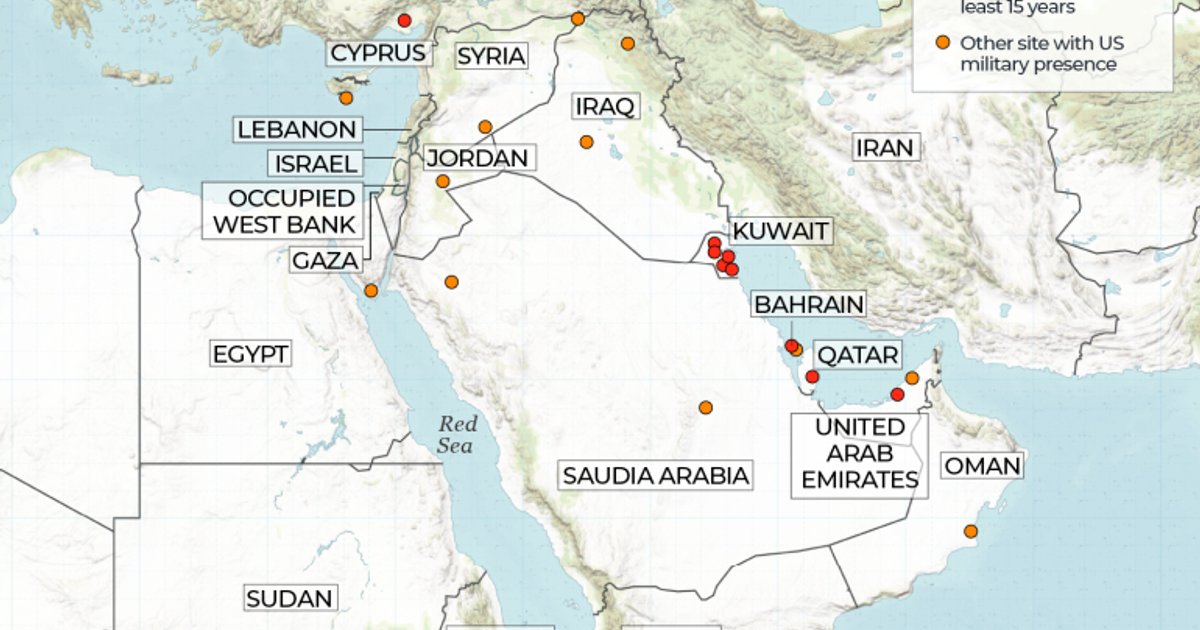
Reports have emerged that the United Arab Emirates is enhancing its military efforts to reopen the Strait of Hormuz, which is considered one of the most significant maritime routes in the world, with approximately 20% of global oil passing through it. This move comes at a sensitive time marked by increasing tensions in the region, raising questions about the strategic implications of this campaign.
The UAE aims, through these efforts, to ensure freedom of navigation in the strait, which is a lifeline for global economies. Reports indicate that the UAE has reached out to several major countries to support this initiative, reflecting the importance of this passage for regional and international security.
Details of the Military Campaign
The UAE's military campaign includes enhancing its military presence in the region, as well as conducting joint naval exercises with regional and international allies. Emirati officials have indicated that this step is aimed at countering any potential threats that may affect navigation in the strait.
This move comes amid escalating tensions between Iran and the United States, with Iran previously threatening to close the strait if its interests were jeopardized. The Strait of Hormuz is a strategic point, through which approximately 21 million barrels of oil pass daily, making it a primary target in any potential conflict.
Background & Context
Historically, the Strait of Hormuz has witnessed numerous crises and tensions, serving as a theater for several military conflicts over the decades. In the 1980s, the strait saw a naval war between Iran and Iraq, while in recent years, tensions have escalated due to Iranian nuclear activities and its interventions in regional affairs.
In recent years, the UAE has strengthened its military relations with the United States and other countries, reflecting its desire to play a larger role in ensuring regional security. These relationships have enhanced its military capabilities, enabling it to confront challenges in the region.
Impact & Consequences
The UAE's efforts to reopen the Strait of Hormuz represent a strategic move that could significantly impact global oil markets. If successfully implemented, it could contribute to stabilizing oil prices, which have experienced significant fluctuations recently due to geopolitical tensions.
Moreover, these efforts may enhance military cooperation between the UAE and its allies, potentially altering the balance of power in the region. However, any military escalation could lead to dire consequences, including increased tensions with Iran.
Regional Significance
These developments hold great significance for other Arab countries, as the stability of the Strait of Hormuz directly affects their economies. Many Arab nations rely on oil exports, and thus any threat to navigation in the strait could substantially impact their economies.
Additionally, these efforts may bolster the UAE's position as a regional power, potentially leading to shifts in political and military alliances in the region. Under these circumstances, other Arab nations must closely monitor developments and consider their own strategies to safeguard their interests.