The United Arab Emirates (UAE) hosted the release of an American citizen who had been detained in Afghanistan, where he was handed over to U.S. authorities in the presence of representatives from both countries. This step reflects the UAE's commitment to supporting international efforts in the field of human rights and facilitating the release of detainees.
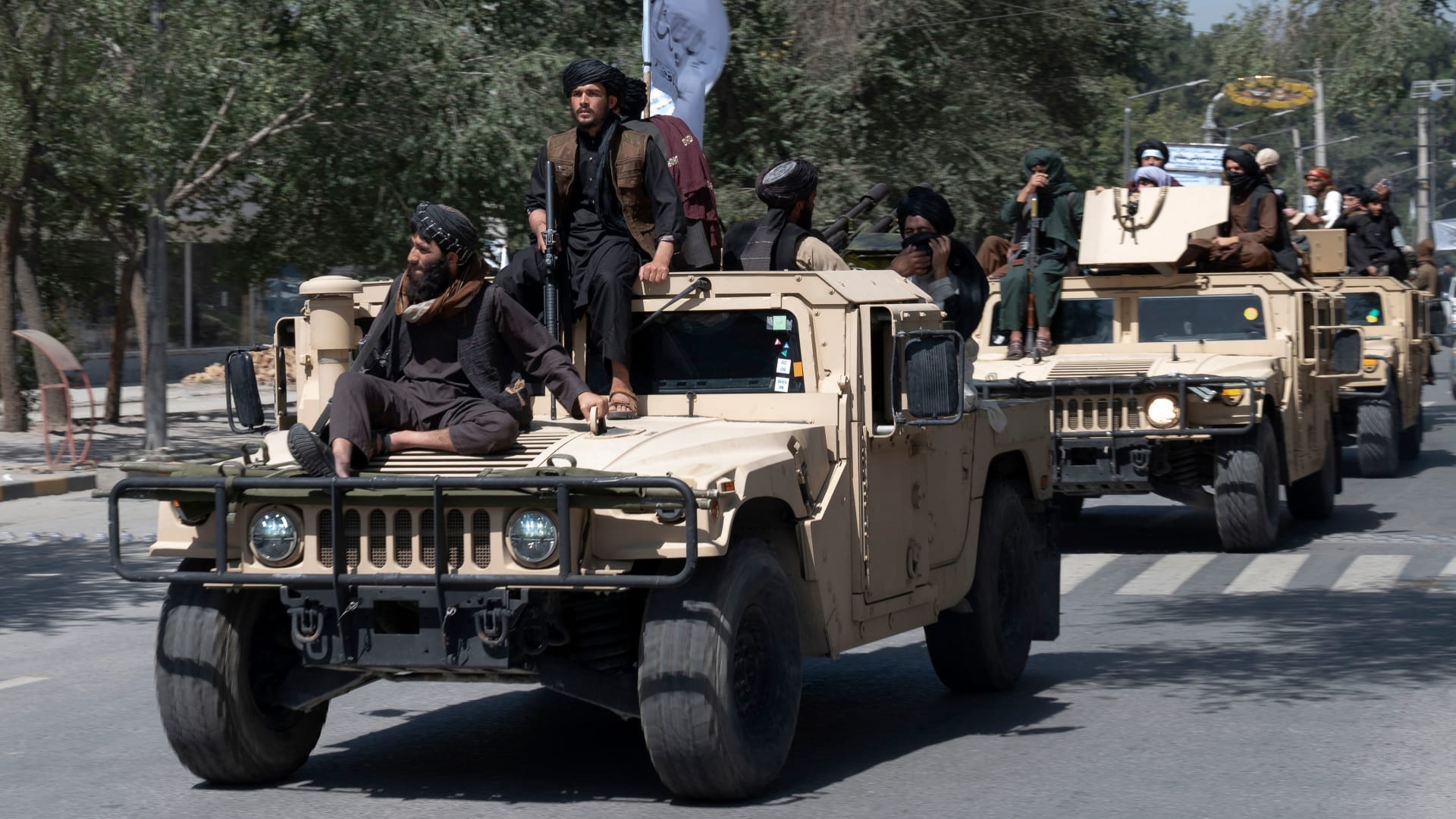
This operation comes at a sensitive time, as the situation in Afghanistan remains tense following the Taliban's takeover of power. This scenario has raised concerns among many countries regarding the fate of their citizens held in the country, making this UAE initiative particularly significant.
Details of the Release Operation
The UAE Ministry of Foreign Affairs reported that the release was coordinated with the relevant authorities in the United States, where the American citizen was handed over in an atmosphere of cooperation and mutual respect. The statement indicated that this operation is part of the UAE's efforts to enhance bilateral relations with the United States and to provide support in the field of human rights.
It was also emphasized that the UAE will continue to play an active role in promoting security and stability in the region by participating in such humanitarian operations. The United States expressed its appreciation for the UAE's efforts in this context, reflecting the depth of relations between the two countries.
Background & Context
Historically, the UAE has played an important role in mediating between countries, especially in humanitarian issues. In recent years, there have been numerous similar operations where the UAE has contributed to the release of detainees from various nationalities in conflict areas. These operations reflect the country's commitment to humanitarian principles and providing assistance to nations suffering from crises.
In the Afghan context, concerns have increased following the withdrawal of U.S. forces from the country, leading to a worsening humanitarian situation. Many foreign citizens have found themselves in danger, prompting countries to seek safe ways to repatriate their nationals. By hosting this operation, the UAE reaffirms its role as a supporter of peace and stability in the region.
Impact & Consequences
This step serves as an indicator of the UAE's ability to positively influence international issues, enhancing its position as a supporter of peace. The success of this operation may encourage other countries to collaborate with the UAE in similar fields, further solidifying its role as an international mediator.
Moreover, this operation could contribute to improving the UAE's image on the international stage, demonstrating its commitment to humanitarian issues and human rights. This could open new avenues for cooperation with Western countries, particularly in areas of security and stability.
Regional Significance
Amid the multiple crises facing the Arab region, this step serves as a model for how to address humanitarian issues. Through this operation, the UAE stands out as a key supporter of international efforts in the field of human rights, which may encourage other Arab nations to take similar steps.
Additionally, this operation may enhance Arab and international cooperation in addressing humanitarian challenges, reflecting the importance of collective action in achieving security and stability in the region. Ultimately, the UAE remains a role model for how to use humanitarian diplomacy as a tool to strengthen international relations.