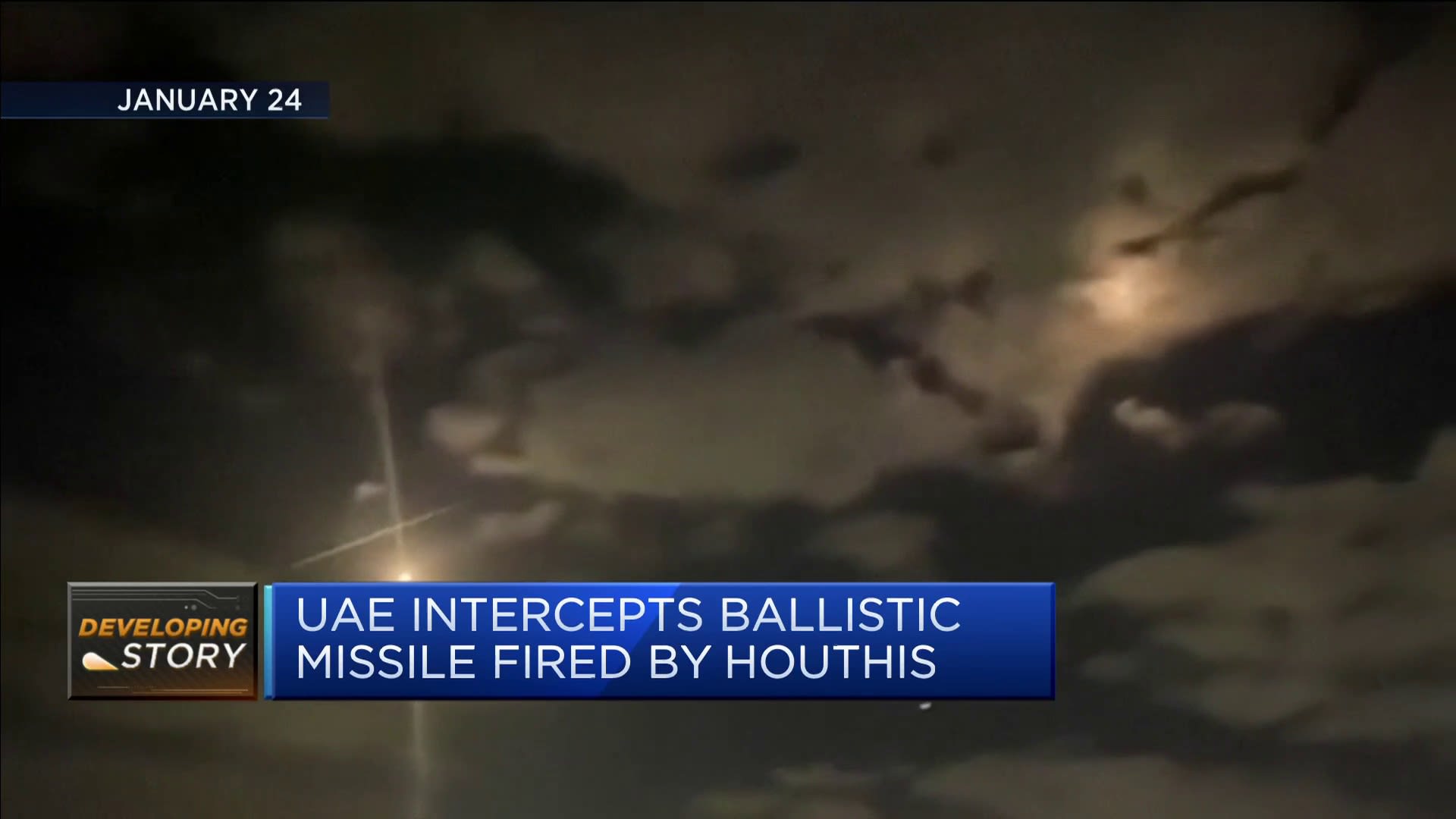
The UAE's air defenses have successfully countered complex missile attacks, managing to intercept 18 ballistic missiles, 4 cruise missiles, and 47 drones launched from Iran on April 3, 2026. This event reflects the UAE's capability to protect its territory amidst escalating tensions in the region.
The interception of these attacks is part of the UAE's ongoing efforts to enhance its national security, particularly in light of increasing threats from Iran. The successful execution of interception operations demonstrates the efficiency of the UAE's air defense system and its ability to confront security challenges.
Details of the Incident
According to reports, the attacks targeting the UAE were part of a military escalation by Iran, which seeks to expand its influence in the region. These attacks were detected by early warning systems, allowing UAE forces to take necessary actions in a timely manner.
These missile strikes are part of a series of military operations occurring in the region, where tensions between Iran and Gulf states are on the rise. The UAE has shown a high capability to counter such threats, reinforcing its position as a leading nation in defense and security in the area.
Background & Context
Historically, relations between the UAE and Iran have been marked by ongoing tensions, especially regarding regional issues such as the Iranian nuclear program and Tehran's support for militias in the area. These tensions have led to increased military preparations by Gulf states, including the UAE.
In recent years, the UAE has bolstered its defense capabilities through collaboration with its allies, including the United States. This cooperation includes military technology exchanges and joint training exercises, contributing to the heightened military readiness of UAE forces.
Impact & Consequences
The success in countering these attacks reflects the UAE's ability to safeguard its national security, but it also highlights the increasing tensions in the region. These events may lead to heightened pressure on Iran, potentially prompting a reassessment of its military strategies.
Moreover, this interception could affect relations between the UAE and Iran, likely escalating tensions. At the same time, this success may encourage other Gulf states to enhance their defense capabilities, potentially leading to an arms race in the region.
Regional Significance
These events are significant for the Arab region as a whole, reflecting the security challenges faced by Gulf states. Amid rising tensions, Arab nations may move towards strengthening security and military cooperation among themselves to confront common threats.
Additionally, these developments could impact regional stability, as any military escalation may have negative repercussions on the economy and security in the area. Therefore, enhancing air defenses and developing effective security strategies will be crucial for maintaining stability in the region.