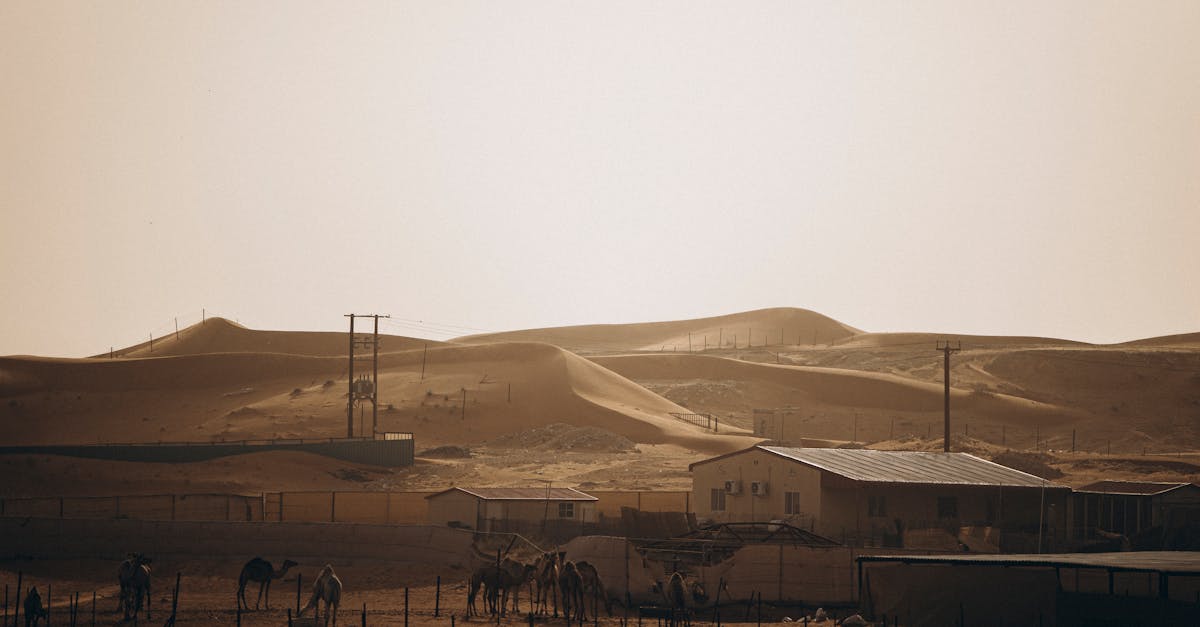
Weather forecasts indicate that temperatures in the United Arab Emirates will reach 42°C during the day of Arafah, which coincides with June 27 this year. This increase in temperature comes at a time when Muslims around the world are preparing to celebrate the blessed Eid al-Adha, which follows the day of Arafah.
The UAE is expected to be affected by a severe heatwave, with noticeable temperature rises in many areas. This increase is part of the usual summer weather pattern in the region, which generally sees high temperatures.
Weather Conditions and Expectations
The meteorological authority expects very hot conditions in most areas of the UAE, with the possibility of even higher temperatures recorded in some inland regions. High humidity levels are also anticipated, which will exacerbate the feeling of heat. Residents are advised to avoid direct exposure to sunlight during peak hours and to follow necessary safety measures.
The day of Arafah is considered one of the most important days in the Islamic calendar, as pilgrims stand on Mount Arafat to perform the rites of Hajj. Muslims celebrate Eid al-Adha the day after Arafah, where sacrifices are made and distributed to the poor and needy, reflecting the values of social solidarity.
Background & Context
Historically, the UAE experiences a significant rise in temperatures during the summer months, sometimes reaching record levels. This temperature increase is part of the desert climate that characterizes the region. However, global climate changes may impact weather patterns, intensifying heatwaves.
The UAE government has taken various measures to adapt to these climatic conditions, including improving infrastructure and providing emergency services to address the impacts of extreme heat. Public awareness is also being enhanced regarding how to cope with high temperatures.
Impact & Consequences
High temperatures may affect the daily activities of residents, including work and study. They can also lead to increased energy consumption due to the use of air conditioning, putting additional pressure on the electricity grid. The need for emergency services is expected to rise in case of medical incidents resulting from heat exposure.
Although the UAE is accustomed to high temperatures, these conditions may impact tourism, as some visitors prefer to travel to cooler destinations during the summer. Nevertheless, the UAE remains a preferred destination for many tourists, especially during holiday periods.
Regional Significance
The high temperatures in the UAE are part of a broader climatic pattern affecting Gulf countries. Many neighboring nations also experience rising temperatures during the summer months. This situation requires regional cooperation to address climate challenges, including sharing information and experiences on how to adapt to harsh weather conditions.
In conclusion, the rise in temperatures in the UAE during the day of Arafah and Eid al-Adha highlights the importance of climate awareness and adapting to changing weather conditions. Residents should take necessary precautions to maintain their health and safety during this period.