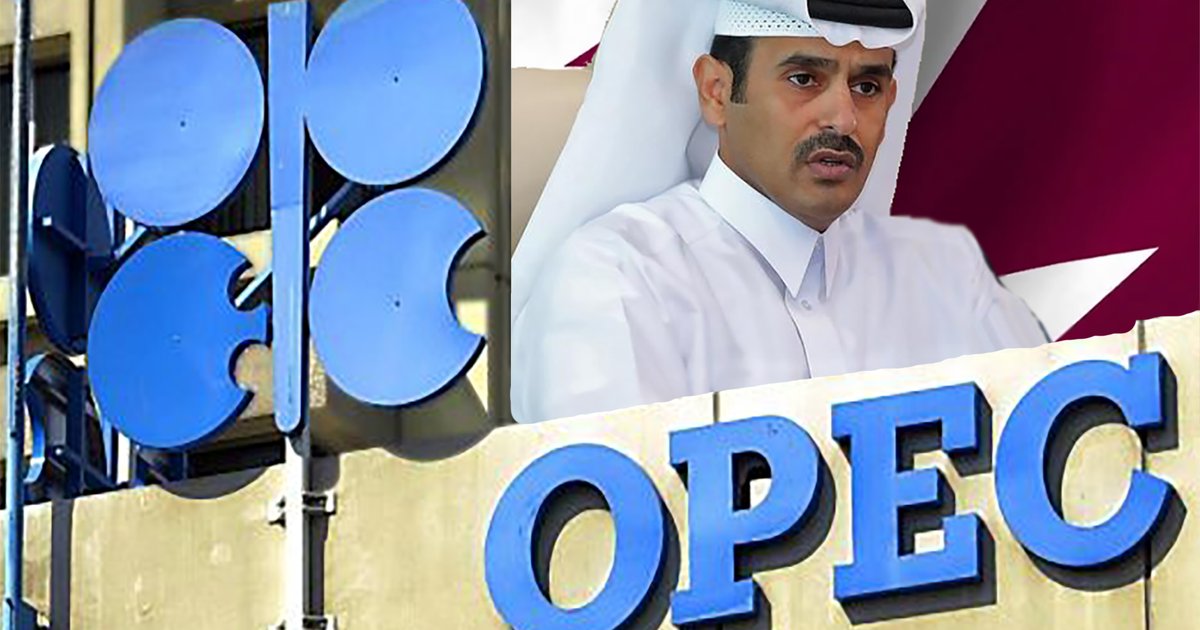
The United Arab Emirates has announced its decision to withdraw from OPEC effective May 1, 2026. This decision comes as part of a comprehensive review of production and distribution strategies in light of rapid changes in the global oil market.
This move is surprising to many observers, as the UAE has been one of the active members of the organization. Emirati officials indicated that the decision resulted from a thorough assessment of economic and environmental conditions, along with the need to enhance the independence of the country's energy policy.
Details of the Announcement
In an official statement, the UAE Minister of Energy clarified that the decision reflects the country's commitment to achieving its national energy goals. He also confirmed that the UAE will continue to work on developing renewable energy sources and enhancing energy efficiency.
This decision comes at a time when the oil market is experiencing significant fluctuations, with prices affected by various factors such as global demand, geopolitical tensions, and climate changes. The withdrawal is expected to have noticeable effects on market dynamics.
Background & Context
OPEC was established in 1960 and currently includes 13 countries, including the UAE. The organization aimed to coordinate oil policies among member states to ensure price stability in the global market. However, in recent years, there have been significant changes in the policies of member countries, leading to varying positions on how to manage production and prices.
The UAE, which is considered one of the largest oil producers in the world, had previously committed to production cuts under OPEC agreements. However, with the increasing demand for oil and ongoing economic challenges, it seems that the country is now seeking greater independence in its oil decisions.
Impact & Consequences
The UAE's withdrawal is expected to impact global oil prices, as the market will become more sensitive to changes in production. Additionally, this decision may encourage other countries to reassess their commitments within OPEC, potentially leading to structural changes in the organization.
Furthermore, this withdrawal may open the door for the UAE to expand its partnerships with other countries in the energy sector, including a focus on renewable energy and clean technology. This shift could enhance the UAE's position as a global hub for sustainable energy.
Regional Significance
The UAE's withdrawal from OPEC represents a significant shift in the energy landscape of the Arab region. The UAE has been one of the countries that contributed significantly to the stability of oil markets, and its absence may lead to increased price volatility.
This decision may also affect relations among OPEC member states, potentially causing new tensions regarding production policies. At the same time, this withdrawal may prompt other Arab countries to reconsider their oil strategies and future directions.
In conclusion, the UAE's decision to withdraw from OPEC is a strategic step that requires careful monitoring by observers and analysts. It will be important to watch how events unfold in the coming months and their impact on the global market.