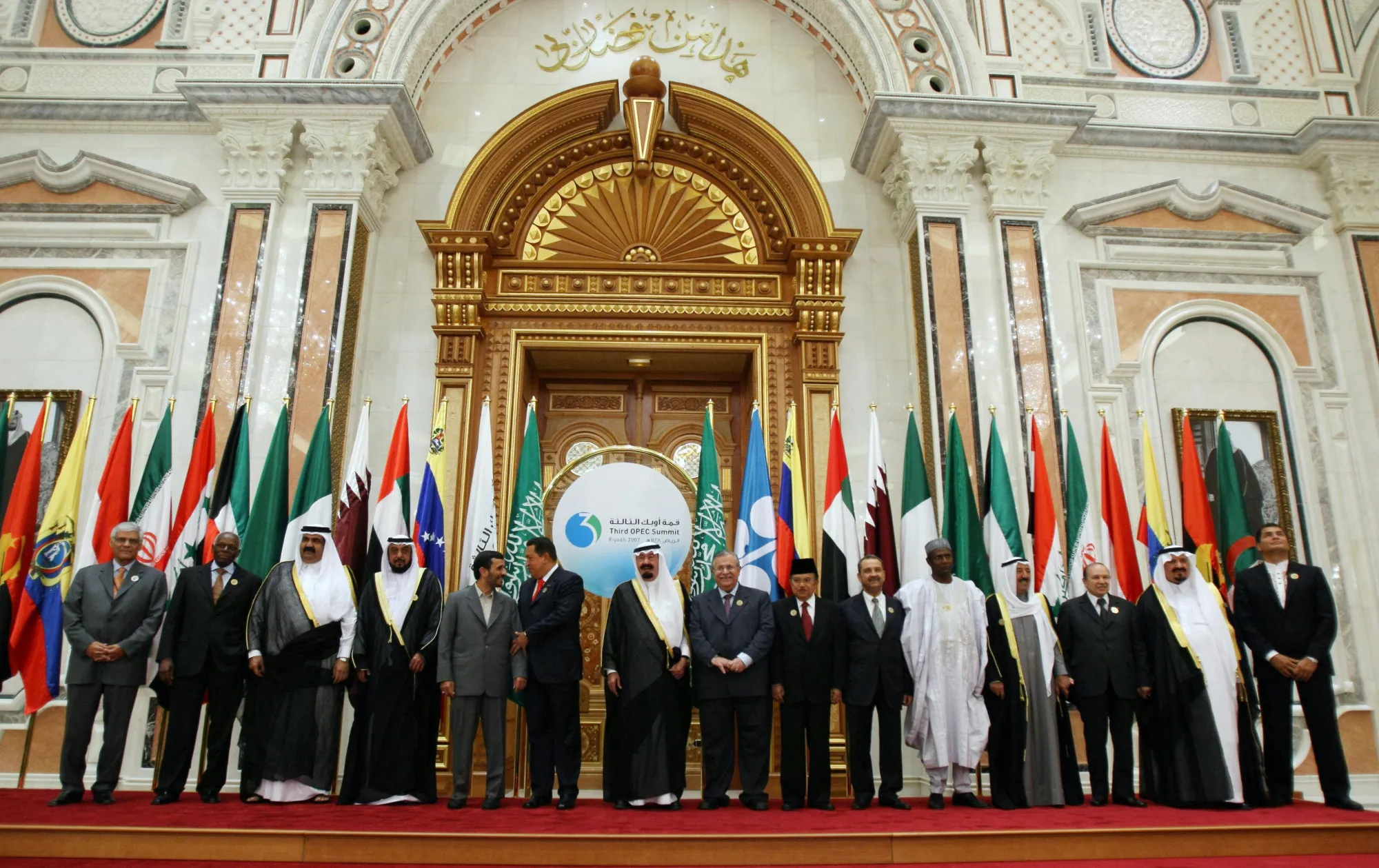
The United Arab Emirates has announced its sudden withdrawal from the Organization of the Petroleum Exporting Countries (OPEC), a decision that carries significant implications for the future of the global oil market. This withdrawal is an unprecedented step, as the UAE has been a member of OPEC since its establishment before becoming an independent state in 1971.
OPEC is an organization primarily composed of oil-exporting Gulf countries, and it has played a crucial role in controlling oil prices by adjusting production levels and distributing quotas among its members. This role had a significant impact during the oil crises of the 1970s, contributing to the shaping of global energy policies.
Details of the Event
The UAE is the second-largest oil producer in OPEC after Saudi Arabia, possessing substantial production capacity. However, the quotas set by OPEC have limited its daily production to between 3 and 3.5 million barrels, prompting the UAE to reconsider its position. The UAE is now seeking to capitalize on its significant production capacity that it has heavily invested in.
This move comes at a time of increasing tensions in the Gulf, particularly amid the conflict with Iran, which may affect relations between the UAE and Saudi Arabia. Forecasts suggest that the UAE may target production of 5 million barrels per day following its withdrawal from OPEC, potentially leading to a price conflict with Saudi Arabia, which may respond by lowering prices.
Background & Context
OPEC was established in 1960 with the aim of unifying oil production policies among member countries. Over the decades, OPEC has played a pivotal role in stabilizing oil prices, but with changing dynamics in the global market, its influence has diminished compared to the 1970s. Today, OPEC controls about 50% of global oil trade, down from 85% in the 1970s.
Oil-producing countries, including the UAE, are striving to maximize their reserves before global demand for oil declines due to the shift towards renewable energy sources. For instance, China has shown significant investments in electricity, contributing to a reduction in oil demand by 1 million barrels per day.
Impact & Consequences
The UAE's withdrawal from OPEC could lead to a series of changes in the oil market. This decision may significantly increase UAE production, potentially resulting in lower prices if the current situation in the Gulf persists. However, weaker OPEC member countries may face difficulties in coping with these changes.
The UAE is now in a position to maximize its oil reserves, which could lead to increased revenues in the future. However, this decision may put additional pressure on Saudi Arabia, which may need to reassess its market strategy.
Regional Significance
The UAE's withdrawal from OPEC represents a significant shift in energy policy in the region and may affect relations among member countries. The region may witness further economic and political tensions as a result of this move, especially if Saudi Arabia responds by cutting production or prices.
In conclusion, the UAE's withdrawal from OPEC may mark the beginning of a new era in the oil market, as producing countries seek to maximize their reserves before global demand declines. This decision could change the rules of the game in the region and impact the stability of the global market.