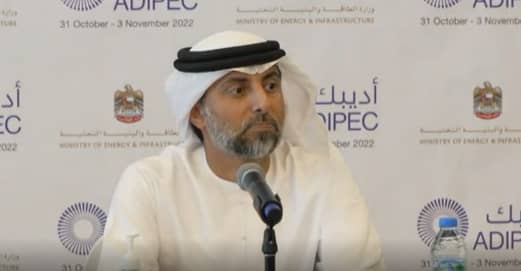
The United Arab Emirates has decided to withdraw from the Organization of the Petroleum Exporting Countries (OPEC) and OPEC+, marking a significant strategic shift after more than sixty years of membership. This move aims to realign its priorities amidst increasing regional tensions. The official news agency of the UAE, WAM, reported that this decision follows the war in Iran, which has greatly impacted the stability of the region.
Through this withdrawal, the UAE seeks to develop new strategies that align with its national interests, especially given the rapid changes in global energy markets. This decision represents a major shift in the UAE's oil policy, as the country was one of the founding members of OPEC in 1960.
Details of the Announcement
The UAE officially announced its decision, stating that this withdrawal is part of its efforts to achieve its economic and social goals. The UAE government has confirmed that this decision will not affect its oil production, as it will continue to work on increasing its production capacity in line with its developmental strategy.
The UAE is among the largest oil producers in the world, significantly contributing to the global oil market. However, regional tensions, particularly the ongoing conflict in Iran, have prompted the UAE to reassess its position in OPEC and OPEC+, as there were concerns about the impact of these conflicts on market stability.
Background & Context
OPEC was established in 1960 to regulate oil prices and ensure market stability. Since then, the UAE has played an important role in this organization, significantly contributing to the determination of production policies and pricing. However, changes in global oil demand, along with the emergence of alternative energy sources, have led many OPEC member countries to reconsider their strategies.
The war in Iran is one of the main factors influencing the UAE's decision. This conflict has heightened tensions in the region, affecting the stability of oil markets. Additionally, changes in the oil policies of major countries, such as the United States, have contributed to the UAE's decision to withdraw.
Impact & Consequences
This decision could have significant implications for the global oil market. The UAE's withdrawal from OPEC is expected to increase pressure on prices, especially if other countries choose to follow suit. Furthermore, this decision may reshape alliances in the oil market, as other nations might seek to strengthen their relationships with the UAE amid these changes.
Moreover, this decision may impact the UAE's investments in the energy sector, as the country may pursue new projects that align with its new strategy. This withdrawal could also open the door for the UAE to enhance its partnerships with countries outside OPEC, potentially leading to shifts in market dynamics.
Regional Significance
The UAE's withdrawal from OPEC is a significant event for the Arab region, as it may affect the stability of oil markets in other Gulf countries. The UAE is considered one of the main economic powers in the region, and this decision could lead to changes in the oil policies of neighboring countries.
This decision may also prompt other countries in the region to reassess their oil strategies, potentially leading to changes in economic and political alliances. In light of these changes, it will be crucial to monitor how other nations in the region respond to this withdrawal.