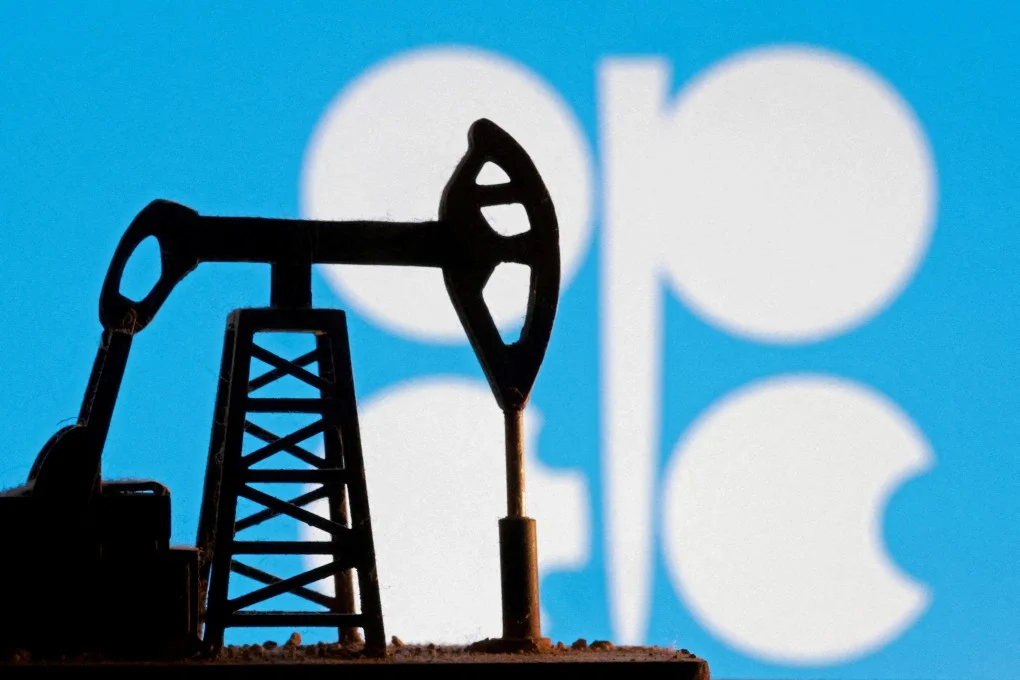
Reports indicate that the United Arab Emirates' withdrawal from the Organization of the Petroleum Exporting Countries (OPEC) may provide China with an opportunity to enhance its oil supplies amid the escalating crises facing global markets. This decision comes at a sensitive time, as pressures on oil markets rise due to the U.S.-Israeli conflict in Iran, which has now entered its third month.
The UAE's Minister of Energy, Suheil Mohamed Al Mazrouei, announced that now is the "right time" to exit OPEC, signaling a strategic shift in the UAE's oil policy. The UAE, which represents approximately 12% of OPEC's total production, will officially leave the organization on May 1, opening the door for China to benefit from additional supplies.
Event Details
The UAE's withdrawal comes at a critical juncture, as oil markets face significant challenges due to the ongoing conflict in Iran. This conflict, which has impacted regional stability, has led to rising oil prices and increased fears of supply shortages. In this context, China, the world's largest oil importer, may take advantage of these circumstances to secure additional supplies.
The UAE is one of the largest oil-producing countries globally and has always been a key player in OPEC. However, its decision to withdraw reflects a shift in its oil strategy, as it seeks greater independence in managing its resources.
Background & Context
Historically, OPEC has played a pivotal role in regulating the global oil market. Established in 1960, the organization aims to stabilize oil prices and ensure adequate supplies for member countries. However, global political and economic changes, including regional conflicts and shifts in oil demand, have affected OPEC's effectiveness.
In recent years, oil markets have experienced significant volatility due to geopolitical crises, including the conflict in Iran. This conflict, which involves external interventions and internal strife, has exacerbated economic conditions in the region and impacted global oil prices.
Impact & Consequences
The UAE's withdrawal from OPEC could have far-reaching effects on the global oil market. On one hand, it may lead to increased oil supplies, which could help alleviate price pressures. On the other hand, it could exacerbate tensions within OPEC, as other countries may seek to take similar steps.
An analysis of the current situation suggests that China may be the biggest beneficiary of this withdrawal, as it can secure additional oil supplies at competitive prices. This could strengthen its position in the global market and enhance its economic influence.
Regional Significance
For the Arab region, the UAE's exit from OPEC could have significant implications. It may lead to changes in the dynamics of the oil market and affect relationships between oil-producing countries. Additionally, this decision could prompt other nations to consider similar options, potentially altering the oil production landscape in the region.
In conclusion, the UAE's withdrawal from OPEC represents a strategic shift that could impact the global oil market. Amid increasing crises, this move may present an opportunity for China to bolster its oil supplies, reflecting the dynamic changes in economic and political relations in the region.