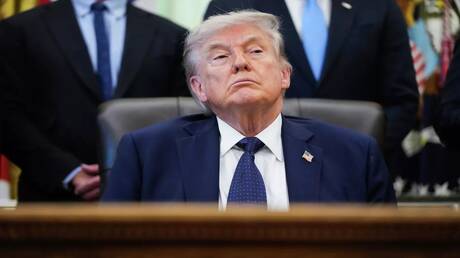
The United Arab Emirates' decision to withdraw from the Organization of the Petroleum Exporting Countries (OPEC) represents a significant victory for U.S. President Donald Trump. This decision comes amid increasing pressures on member countries, indicating a notable shift in the UAE's oil policy.
The UAE is one of the largest oil producers in the world, and its withdrawal from OPEC is a bold step that could impact the balance of the oil market. This decision also reflects the UAE's desire to enhance its independence in making oil production decisions, free from the constraints imposed by OPEC.
Details of the Event
In an unexpected move, the UAE announced its withdrawal from OPEC, eliciting mixed reactions in economic and political circles. This decision follows a period of tensions between the UAE and some member countries, where disagreements over production levels and oil prices had arisen.
This withdrawal is seen as a direct result of the pressures exerted by Trump on oil-producing countries to increase production, which could contribute to lowering global prices. Trump has expressed support for the UAE in its pursuit of greater independence in its oil policy.
Background & Context
OPEC was established in 1960 with the aim of coordinating oil policies among member countries to ensure price stability in the global market. However, recent years have seen tensions within the organization, especially with the emergence of new competitors in the oil market, such as the United States.
The UAE has significantly benefited from rising oil prices, yet changes in the global market and political pressures have prompted it to reassess its strategy. Its withdrawal from OPEC could signal the beginning of a new phase of independent oil policies.
Impact & Consequences
The UAE's withdrawal from OPEC may lead to radical changes in the dynamics of the global oil market. This decision is expected to intensify competition among oil-producing countries, potentially affecting prices and increasing market volatility.
Moreover, this decision could encourage other countries to take similar steps, which may weaken OPEC's influence in determining global prices. At the same time, it could strengthen trade relations between the UAE and major countries like the United States.
Regional Significance
The UAE's withdrawal from OPEC represents a significant shift in oil policy in the region and may affect relationships among Arab oil-producing countries. This decision could raise concerns among countries that heavily rely on oil revenues, leading them to reevaluate their economic strategies.
Ultimately, this decision marks a turning point in the trajectory of oil policy in the region, potentially opening the door for new alliances and changes in economic dynamics.