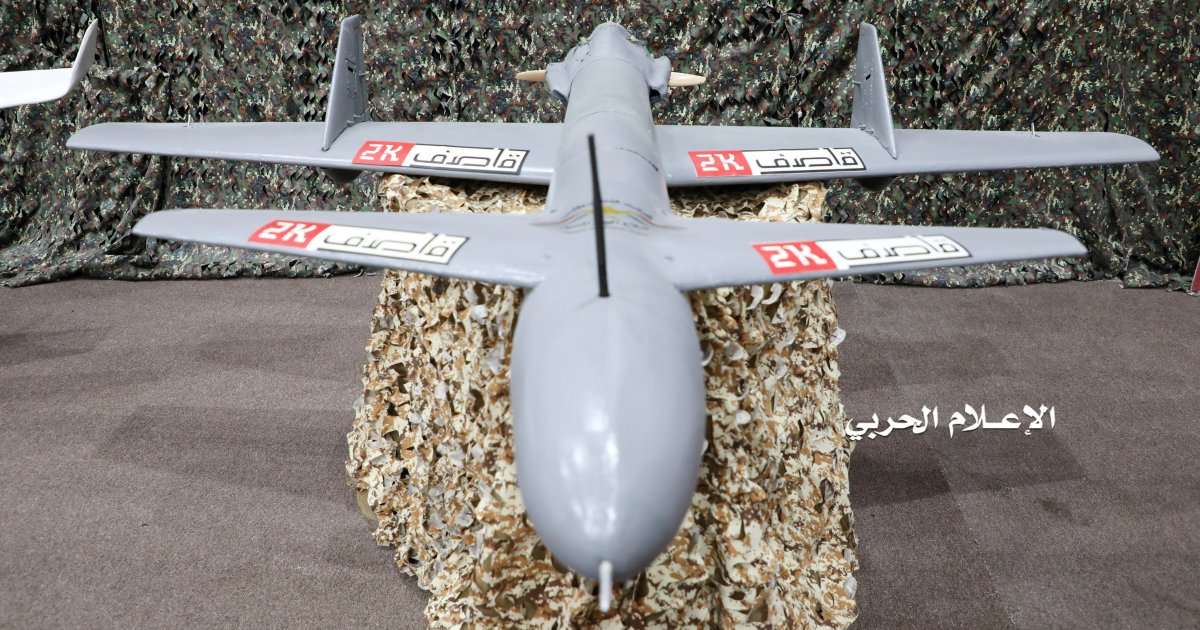
After enduring more than 2000 missile and drone attacks from Iran over the past month, the United Arab Emirates has demonstrated its resilience against these threats. The attacks aimed at critical infrastructure did not destabilize the country, showcasing its internal cohesion and response strength.
While the UAE faced an unprecedented escalation in attacks, it successfully enhanced its air defenses and activated early warning systems, which contributed to minimizing the damage caused by these assaults. The UAE government also showed effective crisis management capabilities, helping to maintain the morale of citizens and residents.
Details of the Attacks
The attacks on the UAE included the use of long-range missiles and advanced drones, reflecting the evolution of Iranian military capabilities. These attacks were detected by UAE air defense systems, which managed to intercept a significant number of them, thereby reducing the damage. Additionally, security cooperation with allied countries was strengthened, adding a layer of protection.
In a related context, reports confirmed that the attacks not only impacted infrastructure but also had a psychological effect on the population. However, the responses from the government and civil society were positive, with campaigns organized to support and enhance national spirit.
Background & Context
Historically, relations between Iran and the UAE have seen increasing tensions, particularly amid regional conflicts. The UAE is considered one of the Gulf countries that adopts a balanced policy towards Iran, striving to maintain strong trade and economic relations despite political tensions. Nevertheless, the escalation of Iranian attacks reflects a shift in Iran's strategy towards its neighbors.
In recent years, Iran has increased its use of drones and missiles as part of its military strategy, raising concerns in the region. This escalation is part of the broader conflict between Iran and Western countries, as well as Arab nations seeking to confront Iranian threats.
Impact & Consequences
The Iranian attacks on the UAE could have significant repercussions at both regional and international levels. They are likely to increase tensions between Iran and other Gulf countries, potentially negatively impacting stability in the region. Furthermore, the escalation of attacks may prompt Western nations to adopt a tougher stance towards Iran, raising the likelihood of new sanctions.
Moreover, these events could affect foreign investments in the UAE, as some investors may hesitate to enter the Emirati market due to security concerns. However, the UAE's ability to handle these challenges may enhance investor confidence in the country's stability.
Regional Significance
The UAE serves as a model in the region for its ability to confront security challenges. Its resilience against Iranian attacks may encourage other Arab nations to bolster their defensive capabilities and enhance security cooperation. Additionally, events in the UAE could influence security policies in other Gulf states, potentially leading to the formation of new alliances to address common threats.
In conclusion, the United Arab Emirates remains an example of strength and resilience in the face of challenges. Its ability to confront Iranian attacks reflects its commitment to security and stability in the region, making it a key player in regional politics.