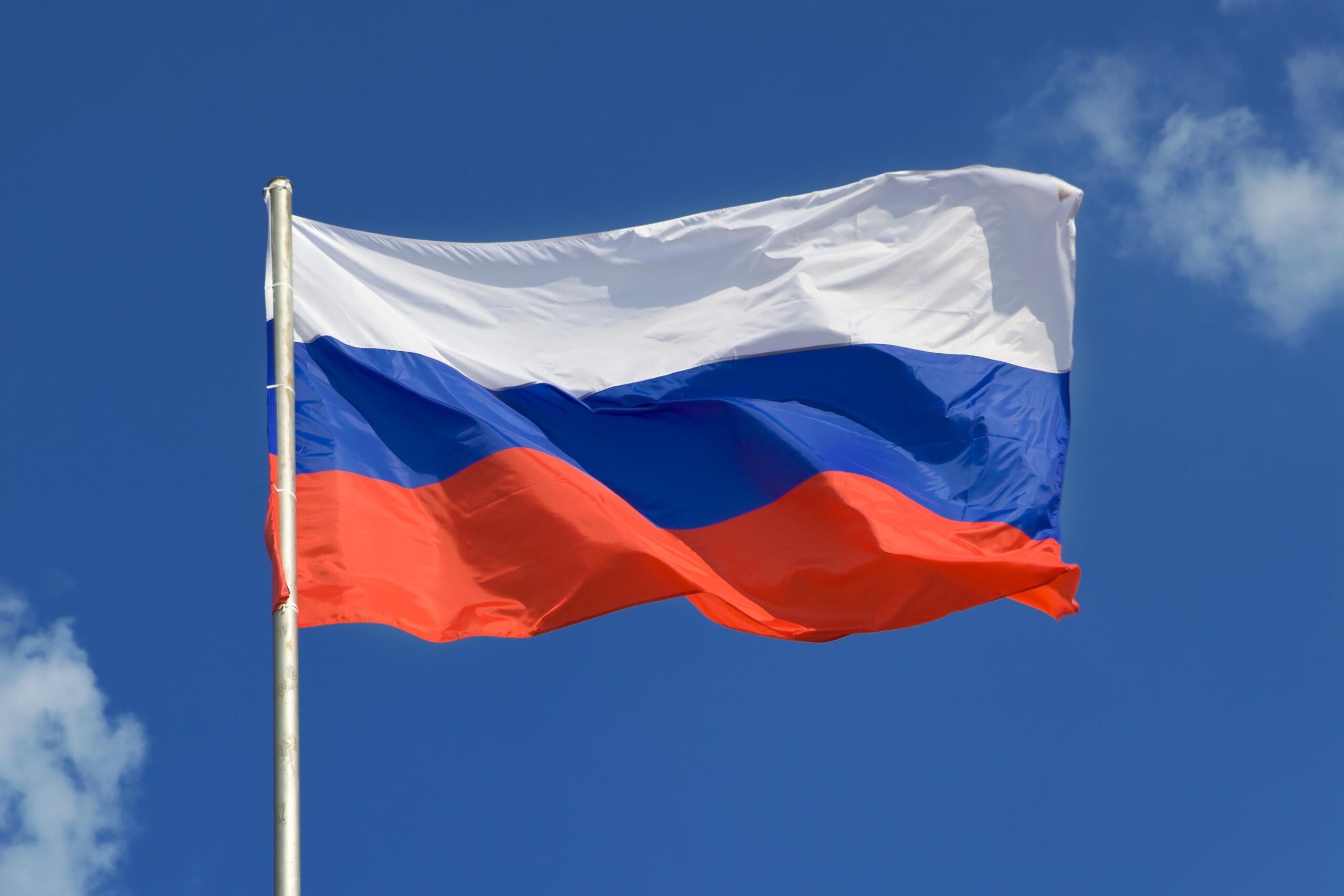
Russian Finance Minister Anton Siluanov indicated that the UAE's decision to withdraw from OPEC might contribute to higher oil production levels, which could result in lower prices in the future. Siluanov explained in statements reported by Reuters that the absence of coordination among producing nations may prompt each country to pump oil according to its production capabilities.
Siluanov pointed out that current oil prices are supported by the closure of the Strait of Hormuz, which contributes to price stability at present. However, he anticipated that the market would shift to a surplus once this vital shipping route is reopened in the future.
Details of the Event
This statement comes at a sensitive time for global oil markets, where concerns are rising about the impact of the UAE's withdrawal on price stability. The UAE has been considered one of the active members of OPEC, and its decision could alter the dynamics within the organization. Should other countries follow the UAE's lead, we might witness an increase in production, leading to a significant drop in prices.
Moreover, Siluanov's remarks reflect Russia's concerns regarding the repercussions of this decision, as Russia is one of the largest oil producers in the world, and any changes in oil prices directly affect its economy. Russia has expressed its readiness to cooperate with other countries to ensure market stability.
Background & Context
OPEC, established in 1960, comprises a group of oil-producing countries aiming to coordinate production policies to maintain price stability. However, the organization has faced significant challenges in recent years, including a decline in oil demand due to economic crises and shifts in energy sources.
The UAE's withdrawal occurs amid radical changes in the oil market, as many countries seek to increase their production to meet rising demand. This decision could open the door for other countries to withdraw or increase their production in an uncoordinated manner, potentially leading to chaos in the market.
Impact & Consequences
If producing countries continue to increase production without coordination, we may witness a substantial decline in oil prices, affecting the economies of oil-dependent nations. This decline could lead to reduced government revenues and increase pressures on national budgets.
Furthermore, this situation may exacerbate tensions among producing countries, as each nation seeks to achieve its own interests. If these dynamics persist, we could see significant changes in the alliances of oil-producing countries.
Regional Significance
Oil prices are a key factor affecting the economies of Arab countries, many of which heavily rely on oil revenues. A drop in prices could lead to cuts in development projects and increased unemployment in some nations.
At the same time, other countries may benefit from lower prices, as this could lead to increased oil demand from non-producing nations. This situation could create new opportunities for trade and investment in the region.
In conclusion, the UAE's withdrawal from OPEC represents a significant shift in the oil market and may have far-reaching implications for prices and global economies. Producing countries must collaborate to ensure market stability and avoid chaos.