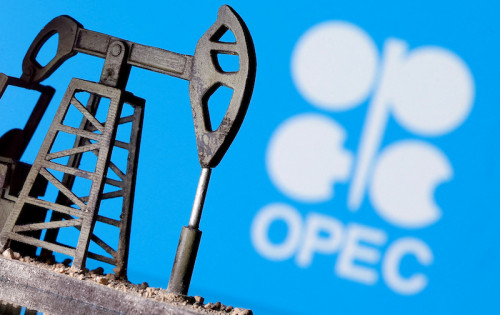
The United Arab Emirates has announced its decision to withdraw from the Organization of the Petroleum Exporting Countries (OPEC), triggering shockwaves in global oil alliances. This decision comes at a sensitive time as oil prices fluctuate between stability and volatility. The withdrawal indicates a radical change in the UAE's oil policy, which has been considered one of the key members of OPEC.
This move follows years of close cooperation between the UAE and OPEC, where the UAE played a pivotal role in determining production policies and prices. The decision has elicited mixed reactions in the markets, with many analysts questioning its potential ramifications on global oil prices.
Details of the Announcement
In an official statement, the UAE's Ministry of Energy confirmed that the decision came after a comprehensive review of the country's oil policies. It noted that the UAE seeks to achieve its own economic goals, including increasing domestic production of oil and gas. This decision reflects a strategic shift in how the UAE manages its natural resources.
It is noteworthy that the UAE joined OPEC in 1967 and has since played an important role in stabilizing oil markets. However, global economic challenges and changes in oil demand have prompted the UAE to reassess its commitments within the organization.
Background & Context
OPEC was established in 1960 as an alliance among oil-producing countries aimed at regulating oil markets and maintaining fair prices. Over time, OPEC has become a key player in the global economy, with its decisions directly affecting oil prices. However, in recent years, new challenges have emerged, such as the increase in shale oil production in the United States, impacting OPEC's ability to control prices.
In recent years, OPEC has faced increasing pressure from oil-producing countries outside the organization, leading to divisions within the alliance. This has resulted in calls for restructuring OPEC and updating its strategies to address new market challenges.
Impact & Consequences
The UAE's withdrawal from OPEC serves as a warning to other members about the need to adapt to rapid market changes. This decision may lead to an increase in UAE oil production, which could negatively affect global oil prices. Additionally, this withdrawal may encourage other countries to take similar steps, increasing instability in the market.
Furthermore, this decision could lead to a reevaluation of global oil alliances, as the UAE may seek to build new partnerships with other producing countries. This could alter market dynamics and affect the strategies of other nations in dealing with OPEC.
Regional Significance
The UAE's decision to withdraw from OPEC is a significant step that may impact other Arab oil-producing countries. Some nations, such as Saudi Arabia and Kuwait, may feel concerned about this decision, as the UAE has been considered a key ally in OPEC's efforts to maintain price stability.
This decision may also affect economic relations among Arab countries, as the UAE may seek to strengthen its ties with nations outside OPEC. In light of these developments, Arab countries must be prepared to adapt to market changes and seek new strategies to protect their economic interests.