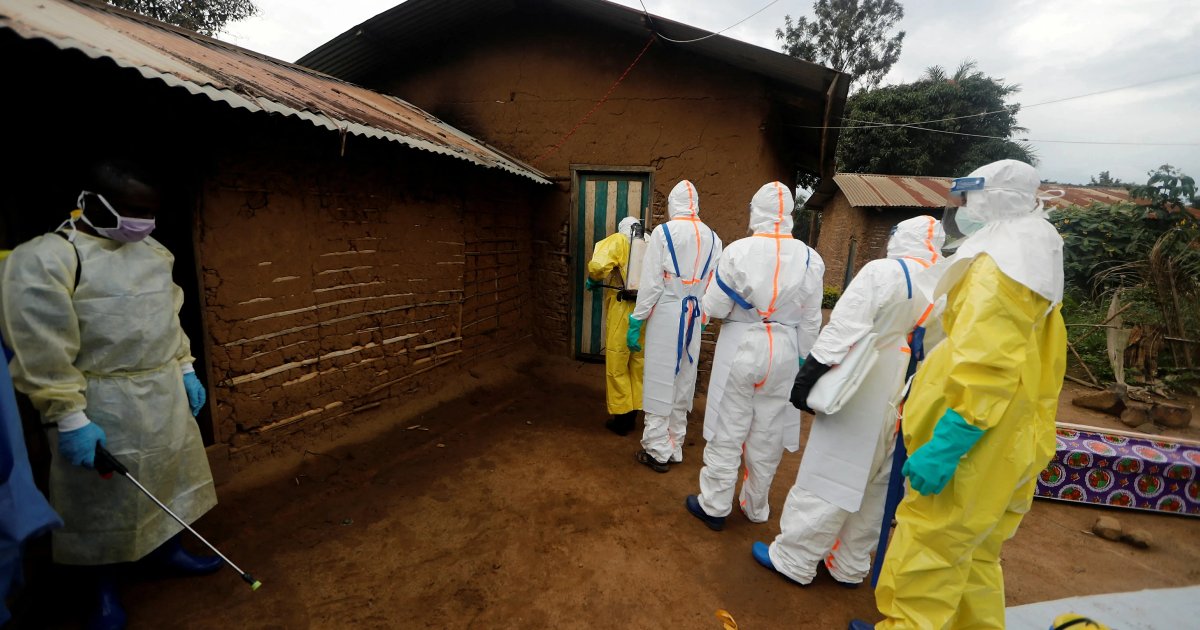
The Ugandan government has announced an immediate closure of its borders with the Democratic Republic of Congo for a period of four weeks as part of its efforts to combat the Ebola virus outbreak. This decision comes after several cases of the virus were reported, raising concerns among health authorities in the country.
Ugandan health official, Diana Atwine, confirmed that the closure aims to limit the virus's spread and prevent further cases from crossing through border crossings. This decision was made after an increase in infections among healthcare workers, who were exposed to the virus while treating patients arriving from Congo prior to the official declaration of the outbreak on May 15.
Details of the Situation
So far, Uganda has recorded seven confirmed cases of the Ebola virus, including the death of a 59-year-old man in the capital, Kampala, in mid-May. Reports indicate that the number of contacts at risk of infection continues to rise, particularly among medical staff dealing with the infected individuals.
In related news, the World Health Organization has warned of a potential "catastrophic collision" between armed conflict and the Ebola outbreak in eastern Congo. The organization's Director-General, Tedros Adhanom Ghebreyesus, noted that ongoing fighting and mass displacement hinder efforts to contain the disease, urging all warring parties to ceasefire immediately.
Background & Context
The rare "Bundibugyo" strain of the Ebola virus, which currently has no approved vaccine or treatment, is among the most dangerous strains. The Ituri province and other areas in eastern Congo have seen a rapid spread of the virus, heightening health concerns in the region.
Estimates suggest that the number of suspected cases has exceeded one thousand, with over 200 potential deaths recorded in three eastern provinces, including North Kivu and South Kivu. Save the Children has reported that a quarter of confirmed deaths so far are children, exacerbating the humanitarian and health situation in those areas.
Impact & Consequences
Concerns are growing over the Ebola outbreak amid the dire humanitarian conditions in the region, where health crises intersect with armed conflicts. This situation complicates health response efforts and hinders the provision of necessary humanitarian aid to those affected.
International efforts to combat the Ebola outbreak may face significant challenges, especially given the security instability in the region. Humanitarian organizations are expected to experience increased pressure to provide support and healthcare to the infected and needy populations.
Regional Significance
The Ebola virus outbreak in East Africa is a matter of concern for the Arab region, as health crises can impact regional security and stability. Cooperation between Arab countries and global health organizations may be essential to address such challenges.
In conclusion, the current situation requires a concerted effort from both international and local entities to combat the Ebola outbreak and provide necessary support to those affected, alongside preventive measures to stop the virus from spreading to other countries.