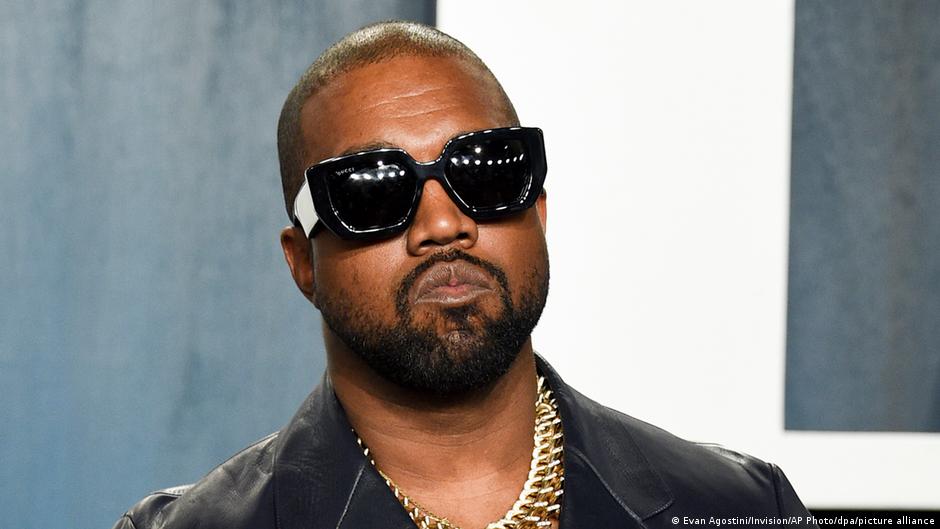
The United Kingdom has announced the prohibition of American rapper Ye, formerly known as Kanye West, from entering its territory due to his controversial antisemitic statements that have sparked widespread outrage. He was set to perform at the Wireless Festival in July, but this decision has resulted in the complete cancellation of the festival.
In an official statement, the UK Home Office indicated that Ye's presence in the country would not be "beneficial to the public good," prompting organizers to decide to cancel the event that was to take place in Finsbury Park in London. The organizers also announced refunds for all ticket holders.
Event Details
The Wireless Festival was expected to be a major music event attracting numerous artists and audiences. However, the decision to bar Ye from entering the UK came after a series of controversial statements he made, including praising Nazi dictator Adolf Hitler and releasing a song titled "Heil Hitler". These remarks have provoked widespread discontent within both the British and international communities.
Following the announcement of the ban, several major sponsors of the festival, including companies like Pepsi and Daige, withdrew their support, increasing pressure on the organizers. UK Prime Minister Keir Starmer described Ye's booking as "extremely concerning," while Health Secretary Wes Streeting deemed the organizers' defense of Ye as "ridiculous," asserting that he should not be allowed to appear in the country.
Background & Context
Historically, the UK has witnessed numerous debates surrounding freedom of expression and the limits that should be imposed on public figures. In recent years, concerns about hate speech have intensified, particularly in light of rising incidents of antisemitism. Ye, who has had a significant impact in the music world, has become a symbol of controversy following his recent actions, prompting many entities to reconsider how to handle public figures who promote such ideas.
Last January, Ye issued a public apology, indicating that his erratic behavior and antisemitism were the result of psychological issues. However, the Jewish community in the UK, represented by the President of the Board of Deputies of British Jews, Phil Rosenberg, emphasized that the community needs to see genuine remorse and change before they can trust Ye's intentions.
Impact & Consequences
The decision to bar Ye from entering the UK and the cancellation of the Wireless Festival reflects a growing trend towards intolerance of hate speech. This event may influence how organizers approach artists in the future, as it may become necessary to evaluate their past and behavior before allowing them to appear at public events.
Furthermore, this decision could open broader discussions about freedom of expression and art, and how they may conflict with societal values. While art is considered a means of expression, there are boundaries that must be respected, especially when it comes to inciting hatred.
Regional Significance
In light of current events, this decision may impact how Arab artists engage with similar issues. In a world increasingly aware of human rights concerns, artists may need to carefully consider the messages they convey. This incident may also encourage discussions about freedom of expression in the Arab world and how artists can balance expressing their opinions while respecting societal values.
In conclusion, the barring of Ye from entering the UK and the cancellation of the Wireless Festival underscores the importance of combating hate speech and reflects the cultural and social changes occurring globally. These events remind us that art should be a means of positive communication, not a tool for spreading hatred.