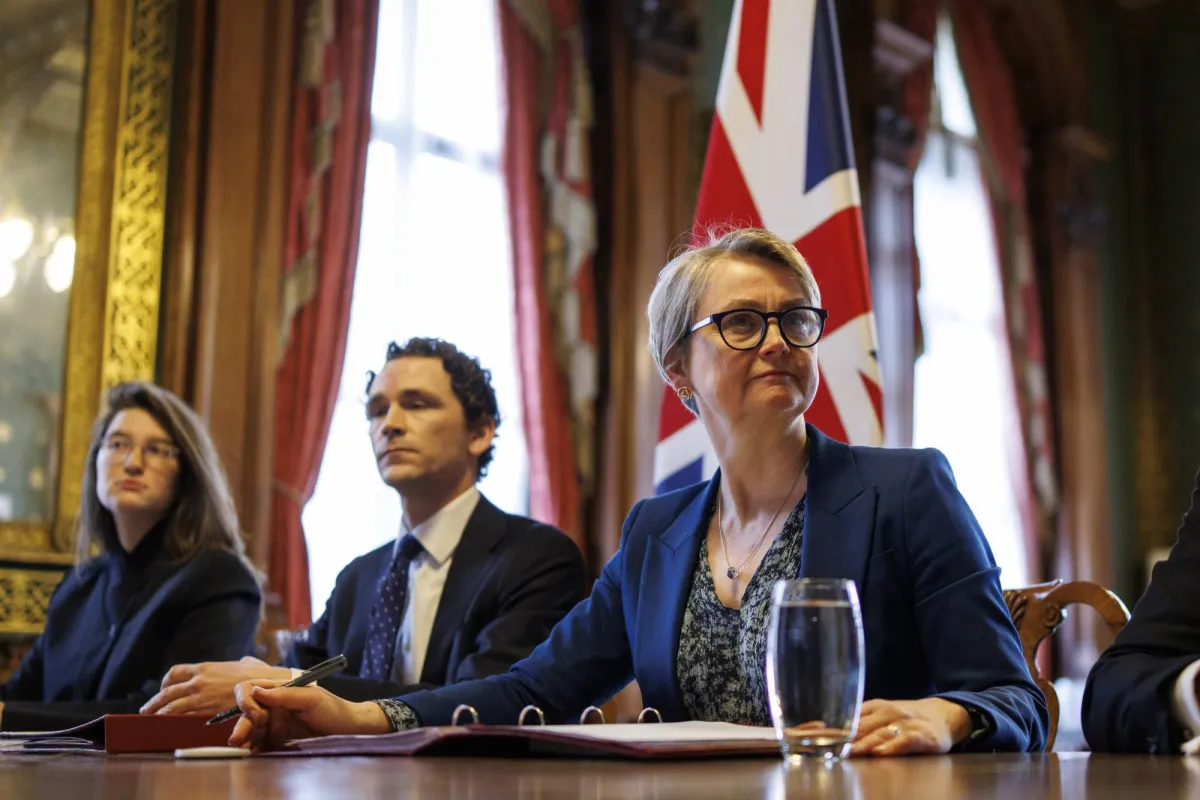
UK Foreign Secretary Yvette Cooper emphasized the 'urgent necessity' to reopen the Strait of Hormuz during a video conference attended by around 40 countries to discuss the situation in this vital maritime corridor. Cooper pointed out that Iran's 'recklessness' in closing the strait threatens global economic security.
The strait, which is a key transit point for about one-fifth of the world's oil, has seen a significant decline in maritime traffic since the outbreak of the US-Israeli war against Iran on February 28 of this year, adversely affecting global oil and natural gas supplies and significantly raising energy prices.
Details of the Meeting
During the meeting, which included foreign ministers and representatives from over 40 countries, the urgent need to restore freedom of navigation in the Strait of Hormuz was reaffirmed, with participating nations expressing their determination to reopen it. In her opening remarks, Cooper stated that Iran has hijacked an international shipping route to extort the global economy.
The meeting also addressed the necessity of collective mobilization of all diplomatic and economic tools to ensure the safe and sustainable reopening of the strait. Cooper confirmed that discussions would also include how to enhance the military capabilities of the concerned nations, including examining issues such as mine clearance.
Background & Context
The Strait of Hormuz is considered one of the most important maritime passages in the world, with approximately 120 transits daily. However, maritime traffic has significantly declined, with only 225 voyages recorded through the strait since March 1, according to Kepler, a maritime analytics company.
This decline comes amid rising regional tensions, with US President Donald Trump urging oil-importing nations to take responsibility for securing the strait. Trump emphasized that countries relying on oil through Hormuz must show 'courage' to control this vital corridor.
Impact & Consequences
The continued closure of the Strait of Hormuz will exacerbate global economic crises, as oil and natural gas are essential commodities relied upon by many countries. Rising energy prices could impact the global economy and increase pressures on consuming nations.
Moreover, the situation in the strait could lead to potential military escalation in the region, complicating security conditions further. At the same time, the ongoing international meeting highlights the importance of cooperation among nations to address shared challenges.
Regional Significance
Arab oil-producing countries are among the most affected by the closure of the Strait of Hormuz, as many depend on exporting oil through this passage. Any decline in maritime traffic could negatively impact the financial revenues of these countries and increase economic pressures.
Additionally, rising tensions in the region may lead to increased military investments, potentially worsening security conditions. Therefore, international cooperation to reopen the strait is considered a vital step to ensure regional stability.
In conclusion, the Strait of Hormuz remains a crucial hub for global economic security, requiring collective efforts from the concerned nations to ensure freedom of navigation and market stability.