The United Kingdom announced on Tuesday its enhanced defense cooperation with the Gulf Cooperation Council (GCC) countries by sending advanced air defense systems and extending its air force presence. This step comes in light of the military escalation in the region, reflecting London’s commitment to the security of its allies in the Gulf.
This announcement was made in a statement by the British government spokesperson for the Middle East and North Africa, Jocelyn Woolar, following a tour by British Defense Minister John Healey that included Saudi Arabia, Qatar, and Bahrain. Discussions with regional leaders addressed the military situation in the area, the security of the Strait of Hormuz, and ways to enhance defense partnerships at a time when military confrontations are intensifying.
Details of the Announcement
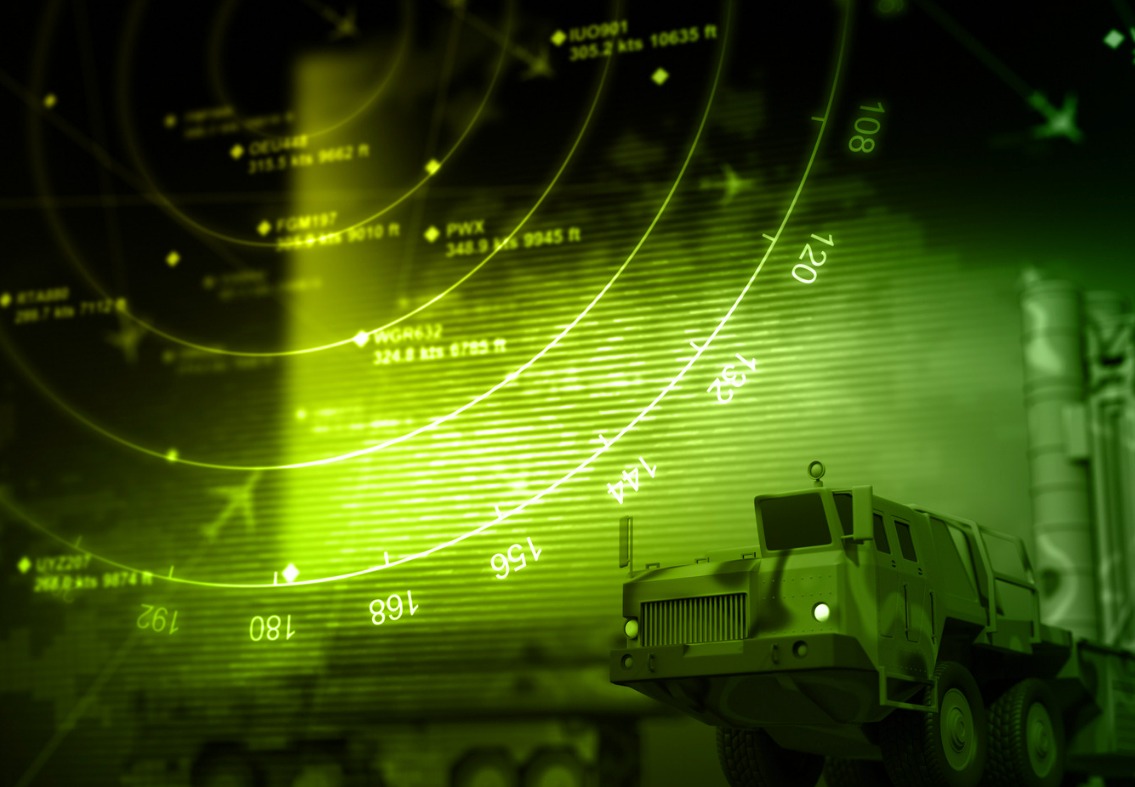
According to the British government statement, London has decided to extend the presence of the joint British-Qatari Typhoon squadron at the Al Dhakhan Air Base, which conducts ongoing defensive sorties in the airspace of Qatar, Bahrain, Jordan, and the UAE, as part of its mission to support the regional security of these nations. The British minister also informed his Saudi counterpart, Khalid bin Salman, about the arrival of the Sky Saber air defense systems this week, supported by technical teams, radars, and missile launch platforms.
The British reinforcements also included the deployment of a short-range air defense system and a team of experts to integrate it into Bahrain's defense system, in addition to the arrival of the Rapid Sentry ground-to-air missile system and the Orcus system for Kuwait, which is part of the Royal Air Force and specializes in early detection and countering drones.
Background & Context
These moves come at a time when the Middle East is witnessing a notable military escalation, with the United States and Israel conducting attacks on Iran since February 28. In response, Iran has targeted what it claims are American interests and bases in Gulf countries and Jordan, and has closed the Strait of Hormuz to ships linked to Washington, Tel Aviv, and their allies. Statistics indicate that seven Arab countries have been targeted by around 5,558 Iranian missiles and drones during a month of fighting, with the UAE being the most affected.
Concerns are growing that this escalation could worsen security conditions in the region, necessitating enhanced defense cooperation between the Gulf states and the United Kingdom.
Impact & Consequences
The United Kingdom aims through these steps to strengthen its military presence in the Gulf, reflecting its commitment to regional security. These moves may lead to increased tensions between Iran and Western countries and could enhance military cooperation between Gulf states and the West.
These developments are expected to affect relations between Arab countries and Iran, as these actions may provoke further Iranian targeting, heightening tensions in the region.
Regional Significance
These British steps are part of a broader strategy aimed at enhancing regional security amid increasing threats. Strengthening air defenses in Gulf countries may improve their ability to face security challenges and bolster regional stability.
In conclusion, these British moves represent a response to the growing security challenges in the region, reflecting the importance of defense cooperation between Gulf states and the United Kingdom in addressing common threats.