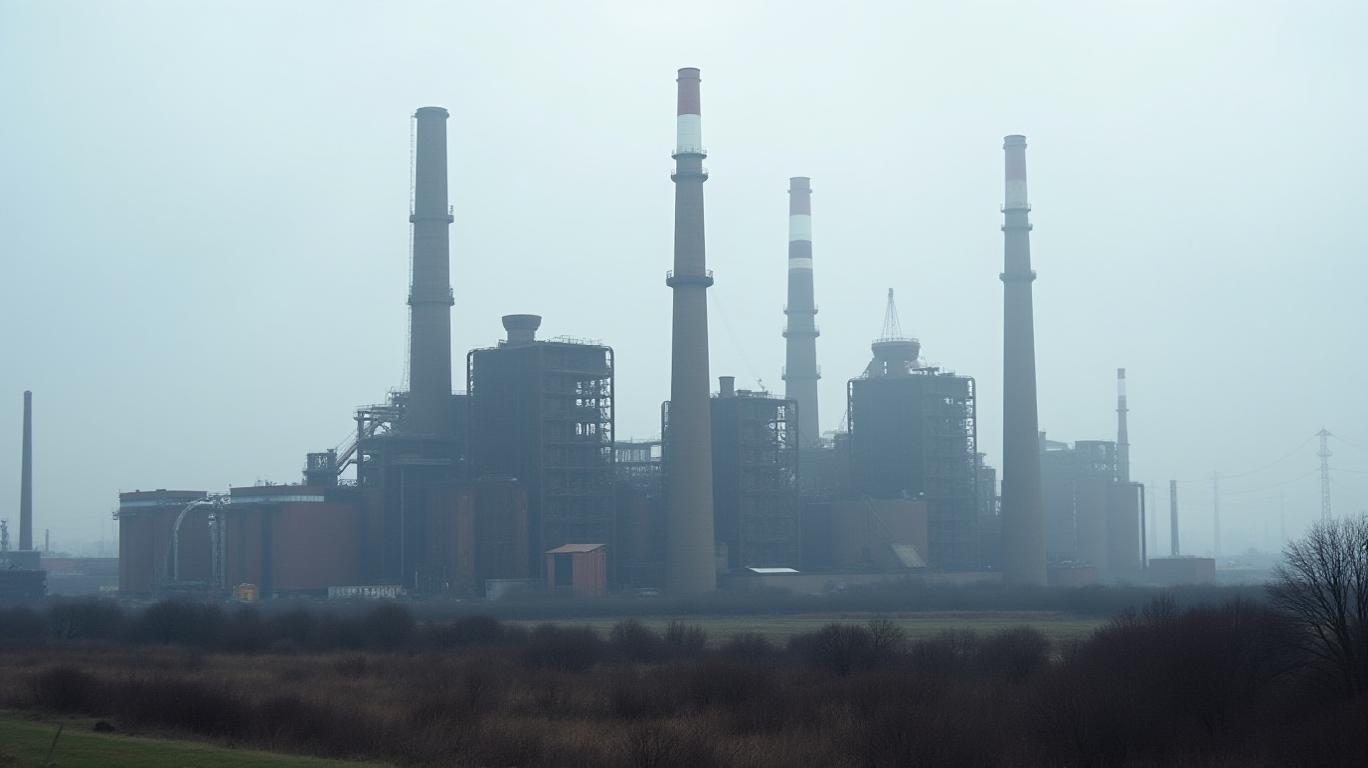
The UK government is moving towards the full nationalization of the British steel company, continuing talks with its current owner, the Chinese company Jingye, amidst rising financial losses faced by the company. This decision comes at a critical time for the steel industry in the UK, which is grappling with significant economic challenges that threaten its existence and sustainability.
The UK government is seeking quick solutions to the problems of the steel company, which is considered one of the most important players in this sector. The government has expressed its willingness to intervene more in the management of the company in an attempt to protect it from the looming financial collapse.
Details of the Situation
Pressure is mounting on Jingye, which acquired the British steel company several years ago, as it faces increasing losses due to rising production costs and declining demand for steel. Recent reports indicate that the company could incur losses amounting to hundreds of millions of pounds, prompting the UK government to consider nationalization options.
The discussions between the government and the Chinese company include exploring the possibility of providing financial support or even a complete takeover of the company, which could represent a bold step by the UK government given the current economic conditions. This government intervention in the industrial sector is an unusual move, reflecting the scale of the crisis facing the company.
Background & Context
Historically, the steel industry in the UK has experienced significant fluctuations, being directly affected by global economic crises. In recent years, many major companies in this sector have faced financial difficulties, leading to the closure of some plants and layoffs. The British steel company has been one of the firms attempting to adapt to these challenges but has failed to achieve financial stability.
It is noteworthy that Jingye acquired the British steel company in 2019 in an attempt to save it from bankruptcy. However, the Chinese company has not been able to achieve the desired success, resulting in exacerbated financial crises.
Impact & Consequences
If the nationalization plan is implemented, it could radically change the structure of the steel industry in the UK. This government intervention may restore some stability to the market, but it could also raise concerns about the effectiveness of government management in running industrial companies.
Furthermore, this decision may impact trade relations between the UK and China, as Jingye is one of the major players in the global steel sector. Nationalization could strain trade relations and heighten economic tensions between the two countries.
Regional Significance
The steel industry is a vital sector in many Arab countries, playing an important role in supporting local economies. If the UK government succeeds in nationalizing the steel company, it could have repercussions on foreign investments in this sector in Arab countries, where foreign companies may hesitate to invest in unstable markets.
Additionally, these developments may contribute to enhancing cooperation among Arab countries in the steel industry, as they may seek to bolster their production capacities and reduce reliance on imports.
The current situation of the British steel company reflects the significant challenges facing the steel industry globally and indicates the need for radical measures to ensure the continuity of this vital sector. The UK government must make decisive decisions in the coming period to secure the future of the British steel company.