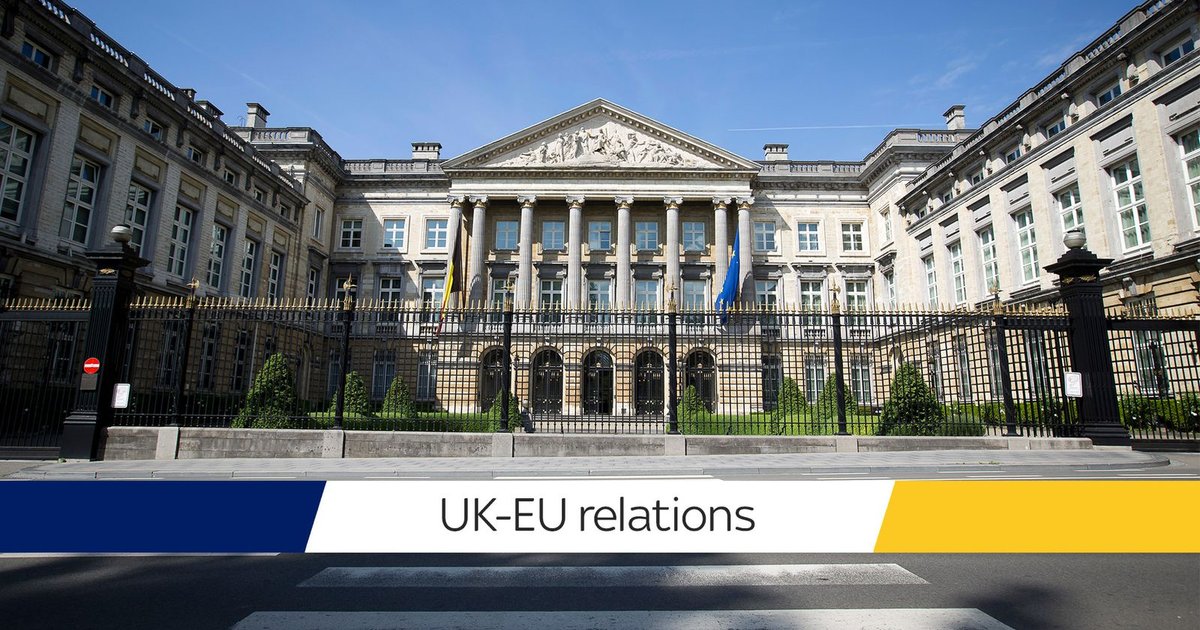
The current UK government, under the leadership of Keir Starmer, is taking steps to strengthen its relations with the European Union, reflecting the economic, security, and political challenges facing the country. This shift comes as pressure mounts on the government to reconsider its strategies following the UK's exit from the EU.
Reports indicate that the UK government is exploring ways to improve its relationship with Brussels, with economic factors playing a pivotal role in this decision. The UK has experienced a decline in economic growth and a rise in the cost of living, prompting the government to contemplate how to enhance cooperation with its European neighbors.
Event Details
Concerns are growing regarding the impact of global economic crises on the UK, with forecasts suggesting that the British economy may face even greater challenges in the near future. In this context, cooperation with the EU emerges as a strategic option to improve the economic situation.
Furthermore, security issues are also influencing this direction. Europe has witnessed a rise in security threats, necessitating enhanced cooperation among European nations to address these challenges. The UK government recognizes that collaboration with Brussels could contribute to bolstering national security.
Background & Context
Historically, relations between the UK and the EU have been tumultuous. Following the 2016 referendum that led to Brexit, the country faced numerous challenges in rebuilding its relationships with European nations. However, recent political and economic changes may open the door for a reassessment of these relations.
Since Keir Starmer took over as leader of the Labour Party, there has been a shift towards rebuilding ties with Brussels. Starmer aims to present a new vision that aligns with the aspirations of voters, who have begun to feel the repercussions of leaving the EU.
Impact & Consequences
If the UK government succeeds in strengthening its relations with the EU, it could lead to an improvement in the country's economic situation. Cooperation in trade and investment may contribute to creating new job opportunities and enhancing living standards.
However, this approach faces internal challenges, as some members of Parliament oppose closer ties with Brussels. There are concerns that this could undermine national sovereignty, which may affect public support for the government.
Regional Significance
The relationship between the UK and the EU is also significant for the Arab region, as the UK plays a central role in European foreign policy. Any changes in this relationship could influence how Europe addresses Arab issues, such as the Israeli-Palestinian conflict and crises in Syria and Libya.
Ultimately, the current situation requires the UK government to make strategic decisions that reflect the country's needs amid ongoing challenges. Cooperation with the EU could be a step towards achieving economic and security stability, but it must be approached cautiously to avoid negative reactions domestically.