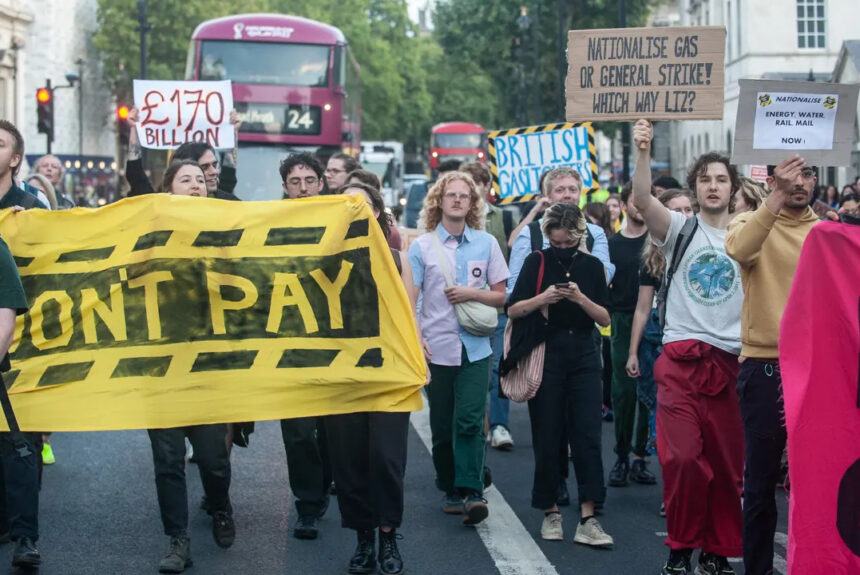
The UK government has announced the suspension of its plan to write off up to £500 million in unpaid energy bills, amid record levels of debt. This decision comes as growing concerns arise regarding the financial burdens on British families, many of whom are struggling to pay their energy bills in the current challenging economic conditions.
This move is part of the government's efforts to address the energy crisis exacerbated by rising prices and increasing living costs. The decision has raised questions about how it will affect households already under financial pressure, as the write-off was expected to provide some relief to citizens.
Details of the Announcement
This step comes at a sensitive time when many British families are experiencing increasing financial pressures due to soaring energy costs. Reports have indicated that debts related to energy bills have reached unprecedented levels, prompting the government to consider measures to alleviate this crisis.
Although the government hoped that writing off these debts would help ease the burden on families, the decision to halt this plan may raise concerns among citizens who rely on government support in the current economic climate.
Background & Context
Historically, the UK has faced multiple energy crises, but the current situation is among the most severe. The significant increase in energy prices has worsened the financial situation for many families, placing the government under substantial pressure to take swift and effective action.
In recent years, the UK government has taken several steps to combat rising energy prices, including providing financial support to households. However, challenges remain, as many citizens continue to struggle to pay their bills, further increasing debt levels.
Impact & Consequences
The halt of the debt write-off plan could have negative implications for families already under financial strain. This measure was expected to alleviate the burdens on citizens, but with its suspension, the situation may worsen for many.
Moreover, this decision could impact public confidence in the government and its ability to handle economic crises. In the current circumstances, citizens need to see tangible actions from the government to help them navigate through this crisis.
Regional Significance
The energy crisis in the UK serves as an example of the economic challenges faced by many countries worldwide, including Arab nations. Some Arab countries are grappling with rising energy prices and living costs, further increasing pressures on families.
The UK's experience in dealing with this crisis could provide lessons for Arab countries, as they may adopt similar strategies to alleviate financial burdens on their citizens. It is crucial for governments to collaborate with the private sector and civil society to find effective and sustainable solutions.