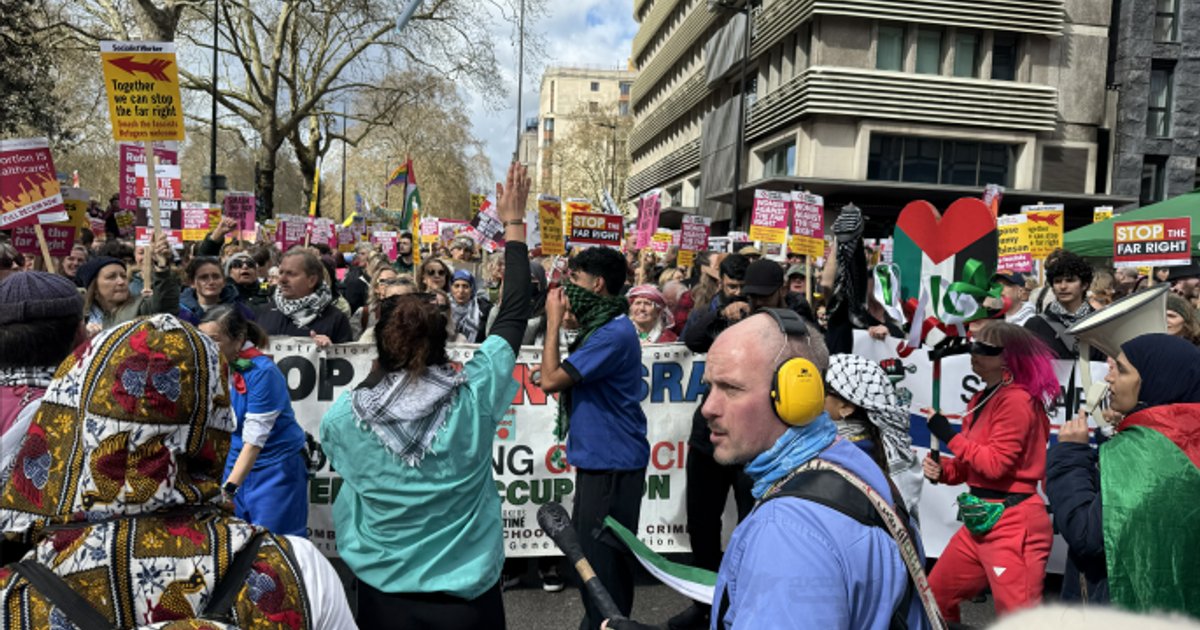
The UK Home Office has defended the police's role in handling the case of Palestinian activists Ben Jamal and Chris Naniha, facing sharp criticism from human rights organizations and civil society members. The ministry stated that the police followed appropriate legal procedures during the events surrounding the case.
These statements come at a sensitive time, as calls from human rights organizations to review police conduct in handling cases related to activists are increasing, especially amid growing concerns about human rights in the UK.
Details of the Incident
The case involves activists Ben Jamal and Chris Naniha, who were arrested during a pro-Palestine demonstration in London. These arrests sparked angry reactions from many activists who believed the police had overstepped their bounds in using force. Some events were captured on social media, intensifying the criticisms directed at the police.
In response to these criticisms, the Home Office emphasized that the police operate within the law and are committed to protecting everyone's rights, including the right to free expression. They also noted that the arrests were necessary to maintain public order during the demonstration.
Background & Context
Historically, the UK has witnessed numerous demonstrations related to the Palestinian issue, which is considered one of the most contentious issues in British politics. Many concerns have been raised regarding how the police handle demonstrators, especially with the increasing public awareness of human rights.
There is also a long history of tensions between the police and local communities, where the police are sometimes accused of using excessive force against demonstrators. These tensions have led to growing calls for reforms in how the police operate.
Impact & Consequences
This case could have significant implications for security policies in the UK. Increased criticism may prompt the government to reconsider its security strategies and provide greater guarantees for protecting the rights of demonstrators. Additionally, these events could affect the British government's image abroad, especially in Arab and Islamic countries that closely monitor how the West deals with human rights issues.
Furthermore, this case may bolster human rights movements in the UK, encouraging more individuals to engage in civil activities and demand their rights.
Regional Significance
The Palestinian issue is one of the central issues in the Arab world, directly affecting relations between Arab countries and Western nations. Many Arab countries closely watch how Western governments handle issues related to Palestine, which may influence political and economic support for these governments.
Moreover, events in the UK could inspire human rights movements in Arab countries, potentially encouraging activists to demand their rights more vigorously, which could lead to changes in local policies.
In conclusion, the case of Ben Jamal and Chris Naniha remains in the spotlight, reflecting the current tensions between human rights and security policies in the Western world. It is crucial that this case remains in the public eye to ensure the protection of individual rights and the promotion of justice.