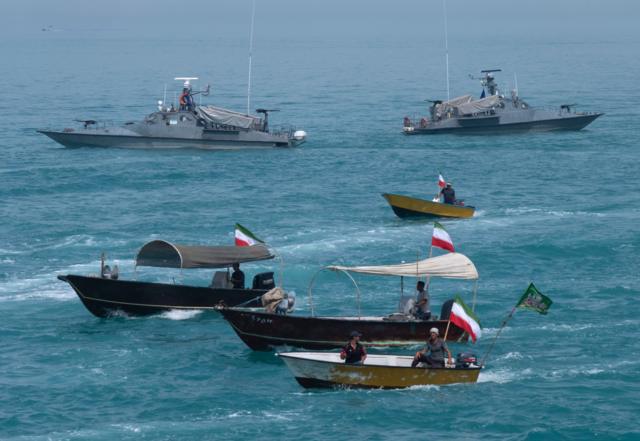
The United Kingdom is preparing to host international coalition talks aimed at securing the Strait of Hormuz, one of the world's most important maritime passages, at a time when the region is experiencing increasing tensions between the United States and Iran. This move comes after criticisms voiced by President Donald Trump towards his allies, indicating that reopening the strait may not be a priority in the context of the war against Iran.
These talks are part of international efforts to coordinate security measures in the region, through which approximately 20% of global oil supplies pass. Countries from the region and beyond, including Gulf Cooperation Council nations and the United States, are expected to participate in these discussions, aiming to enhance maritime security and ensure safe navigation.
Details of the Event
These talks come at a sensitive time, as fears of escalating tensions between Iran and the United States have grown, particularly following a series of maritime incidents in the region. Trump has previously stated that the United States may not be fully prepared to provide support to its allies during this crisis, raising widespread concern among the involved nations.
By hosting these talks, the United Kingdom aims to bolster its role as an influential power in global politics, especially in light of its exit from the European Union. London also hopes that these discussions will contribute to improving relations with its regional allies and enhance security cooperation to address shared threats.
Background & Context
The Strait of Hormuz is a vital point in global trade, with nearly 17 million barrels of oil passing through it daily. The strait has seen increasing tensions in recent years, particularly following the United States' withdrawal from the Iranian nuclear deal in 2018, which escalated tensions between Tehran and Washington.
In recent years, Iran has conducted several operations targeting commercial vessels in the area, heightening concerns about maritime security. The United States has responded by bolstering its military presence in the region, further escalating tensions.
Impact & Consequences
These talks are expected to significantly impact the security situation in the region. If the participating countries succeed in reaching effective agreements, they could help reduce tensions and enhance maritime security in the Strait of Hormuz. However, failure in these discussions could lead to further escalation and increased risks to navigation.
Additionally, these talks may influence global oil prices, as any escalation in tensions could lead to significant price increases. Therefore, both oil-producing and consuming nations are closely monitoring these developments.
Regional Significance
The Gulf Arab states are among the most affected by developments in the Strait of Hormuz, as their economies heavily rely on oil exports. Thus, any escalation in tensions could impact the stability of these countries and increase security risks.
Moreover, the success of the talks could enhance cooperation among regional countries and lead to improved relations between Arab nations and Iran, potentially contributing to greater stability in the region.