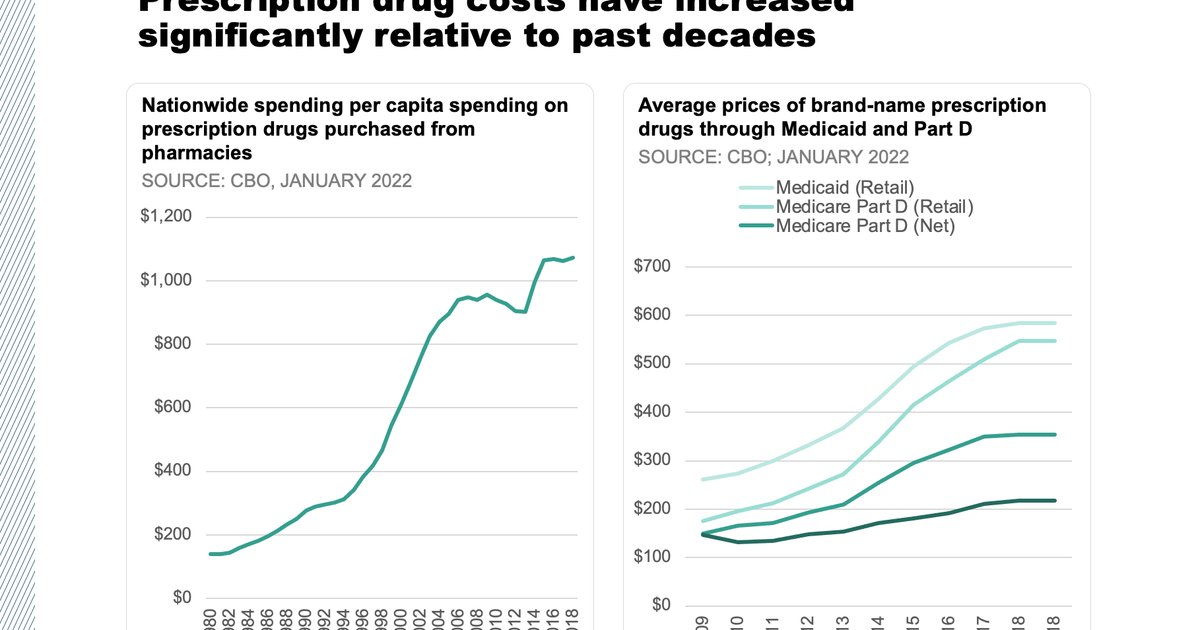
The UK government has announced a new agreement with the United States aimed at increasing drug spending in the UK, as part of its efforts to enhance the healthcare sector. This agreement comes at a sensitive time, as British officials seek to attract more investments from major pharmaceutical companies.
The agreement reached between the two sides includes a commitment from the United States not to impose tariffs on drugs imported from the UK, which was previously threatened by former President Donald Trump. This development is considered a positive step for the UK, as it will help enhance the competitiveness of the healthcare sector.
Details of the Agreement
The details of the agreement include an increase in drug spending in the UK, meaning that the government will allocate a larger budget to meet local market needs. This decision comes at a time when many countries are suffering from drug shortages, making it essential to boost local production and invest in innovation.
The UK government aims to encourage pharmaceutical companies to increase their investments in the country, which could lead to the creation of more jobs and improved healthcare services. This agreement is part of a broader strategy aimed at strengthening the British economy following the UK's exit from the European Union.
Background & Context
In recent years, the UK has witnessed significant changes in its health policies, especially after leaving the European Union. There were concerns about the impact of this on drug supplies, as the British healthcare system heavily relies on imports. Therefore, this agreement represents an important step towards ensuring supply stability.
Moreover, there is increasing pressure on the UK government to improve the healthcare system, particularly in light of the challenges posed by the COVID-19 pandemic. These circumstances have accelerated dialogue with the United States on how to enhance cooperation in the field of pharmaceuticals and healthcare.
Impact & Consequences
This agreement is expected to have positive effects on the British market, as it will contribute to increased investments in the pharmaceutical sector. Additionally, the exemption of companies from tariffs may encourage them to expand their operations in the UK, potentially leading to improved quality of healthcare services provided.
However, the UK government must be cautious in managing this increase in spending, as balancing the improvement of healthcare services with ensuring financial sustainability is crucial. There is also a need to monitor the impact of this agreement on drug prices in the local market.
Regional Significance
Although this agreement focuses on relations between the UK and the United States, it has potential implications for the Arab region. Strengthening cooperation in pharmaceuticals between major countries may improve access to medications in Arab markets, especially given the challenges many countries face in this area.
Furthermore, increased investments in the pharmaceutical sector may inspire Arab countries to develop similar strategies, which could contribute to improving their healthcare systems and enhancing local production.
In conclusion, this agreement represents an important step towards enhancing cooperation between the UK and the United States in the field of pharmaceuticals, which may contribute to improving healthcare services in the UK and boosting investments in this vital sector.