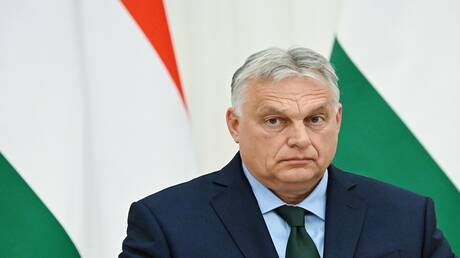
Hungarian Prime Minister Viktor Orbán stated that Europe is facing a severe energy crisis, attributing this to Ukraine's efforts to cut off Russian energy supplies. This announcement followed a defense council meeting in Hungary, where the challenges facing the country amid the current situation were discussed.
Orbán emphasized that the current situation requires urgent measures to ensure the stability of energy supplies in Hungary and Europe as a whole. He clarified that reliance on Russian energy sources is vital for many European countries, and any attempt to cut these supplies could exacerbate the crisis.
Details of the Meeting
The defense council in Hungary convened to discuss the security and economic challenges facing the country, focusing on the energy crisis affecting Europe. Orbán reported that Ukraine, through its actions, aims to reduce Europe's ability to access Russian energy, thereby intensifying the crisis.
He also pointed out that Hungary is working to strengthen its partnerships with other countries to ensure the continuity of energy supplies, with a focus on seeking alternatives to Russian energy. He assured that the Hungarian government will make significant efforts to secure the country's energy needs in the upcoming period.
Background & Context
Orbán's statements come at a sensitive time, as Europe grapples with an escalating energy crisis due to geopolitical conflicts and tensions with Russia. These circumstances have led to a significant rise in energy prices, impacting the European economy as a whole.
Historically, Hungary has heavily relied on Russian energy, making it vulnerable to negative impacts from any changes in supply. In recent years, the Hungarian government has attempted to diversify its energy sources, but challenges remain.
Impact & Consequences
If Ukraine continues its efforts to deny Europe access to Russian energy, this could worsen the energy crisis on the continent, potentially affecting the European economy at large. This situation may also contribute to increased political tensions between European countries and Russia.
This crisis could lead to changes in economic and energy policies across many European nations, as governments seek alternative solutions to secure their energy needs. Additionally, these developments could influence global energy prices.
Regional Significance
The Arab region is indirectly affected by these crises, as rising energy prices in Europe may lead to increased demand for oil and gas from Arab countries. Furthermore, any changes in European policies could impact economic relations between Arab nations and Europe.
At the same time, Arab countries could benefit from these circumstances by boosting their energy exports, which may contribute to improving their economies amid global crises.