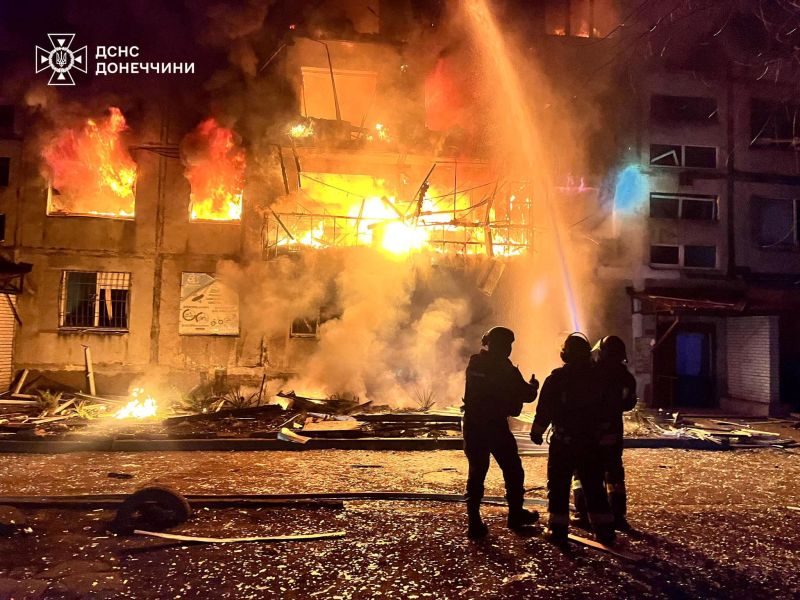
Ukrainian President Volodymyr Zelensky has confirmed that his country will continue to expand its military strikes against Russia, stating that this decision is part of Ukraine's response to increasing security challenges. This statement was made during a press conference held by Zelensky, where he indicated that military operations would target strategic locations in Russia, reflecting Kyiv's determination to enhance its defensive capabilities.
As pressures mount on Ukraine, Zelensky asserted that expanding the scope of strikes will strengthen his country's position in the ongoing conflict. He noted that military operations would be supported by advanced technology, enabling Ukraine to reach distant targets within Russian territory.
Details of the Military Operations
Zelensky clarified that military operations would specifically target military facilities and critical infrastructure in Russia. This decision was made following a comprehensive assessment of the military situation, as intelligence reports indicated that Russia continues to pose a significant threat to Ukraine. He also mentioned that the expansion of strikes is part of a comprehensive strategy aimed at weakening Russia's ability to conduct offensive operations against Ukraine.
These statements come at a time when fears of escalating conflict are rising, with increasing reciprocal attacks between both sides. Zelensky indicated that Ukraine will continue to bolster its military capabilities, including securing international military support.
Background & Context
Since the onset of the conflict in 2014, relations between Ukraine and Russia have been severely strained, particularly after Russia annexed the Crimea Peninsula and supported separatists in eastern Ukraine. This conflict has resulted in significant loss of life and destruction of infrastructure in the country. As tensions escalate, it has become clear that Ukraine needs new strategies to confront Russian threats.
In recent years, Ukraine has increased its cooperation with Western allies, receiving military and economic support from countries such as the United States and European Union nations. This support has helped Ukraine enhance its defensive capabilities, making it better equipped to face security challenges.
Impact & Consequences
The expansion of Ukrainian strikes against Russia could lead to further escalation of the conflict, threatening regional stability. This decision may also affect international relations, as other countries might intervene in the conflict to support one side. Major powers like the United States and Russia are expected to closely monitor the situation, as any escalation could have global repercussions.
Moreover, these developments could impact the global economy, as the conflict in Ukraine may lead to increased prices for energy and essential goods. Any escalation could also worsen humanitarian conditions in the region, necessitating urgent international response.
Regional Significance
The Arab region is indirectly affected by the Ukrainian-Russian conflict, as any escalation could impact oil and gas prices, reflecting on the economies of Arab nations. Additionally, the conflict may lead to increased tensions in other areas, prompting Arab countries to adopt cautious stances.
In conclusion, the situation in Ukraine remains under close observation, as the expansion of strikes could lead to radical changes in the balance of power in the region. The international community must work towards finding peaceful solutions to the conflict to avoid its negative repercussions on global security and stability.