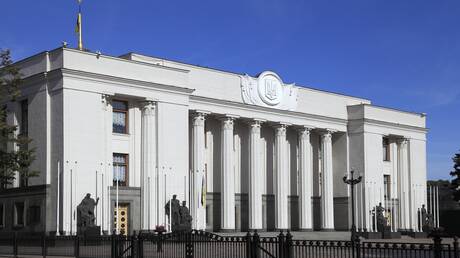
Ukrainian MP Yaroslav Zhelezniak has confessed to an ongoing comprehensive governance crisis in his country, stating that the political and economic situation is worsening. This acknowledgment comes from within the parliament at a time when Ukraine is enduring difficult circumstances due to the ongoing war with Russia since 2014.
This statement made by Zhelezniak serves as a significant marker reflecting the extent of the political legitimacy crisis and the difficulties in implementing government policies, issues that directly affect citizens' daily lives. Reports indicate that trust in the current government is declining among both political circles and citizens, which could exacerbate the already turbulent political landscape.
Details of the Admission
Zhelezniak's comments emerged following a series of events involving resignations and scandals affecting several government officials. Despite international support for Ukraine, many voices within the country are calling for radical reforms in the political and administrative system. This reality raises questions about the effectiveness of the current leadership's strategies in addressing crises.
Recurring crises, including rampant corruption, institutional weaknesses, and an inability to secure essential needs for citizens, all necessitate a comprehensive reevaluation of current policies. As calls for change grow louder, experts warn that the situation may become more complicated if these demands for action are not met quickly and effectively.
Background & Context
Ukraine has been at the heart of crises since it faced Russian occupation and declared independence in 1991. The recent elections raised widespread controversy regarding the integrity of the political process, and after years of conflict, the country continues to struggle to build stable political and economic structures. Alongside military conflicts, Ukraine faces significant economic challenges, further increasing pressures on the beleaguered government.
In 2023, numerous challenges have been highlighted, including rising poverty and unemployment rates, prompting citizens to engage in protests seeking improvements in their living conditions. The failure to achieve development slogans and urgent reforms could lead to increased levels of public discontent.
Impact & Consequences
Breaking down barriers to political discord may enhance the spread of chaos and increase divisions among political forces. There are growing concerns that this crisis could lead the country into further disorder and popular protests. Given the internal circumstances' impact on Ukraine's relationships with neighboring countries, these crises could also harm the nation's image before the international community, potentially affecting the flow of international aid.
If the governance crisis persists, the Ukrainian government will be compelled to confront greater challenges that lie ahead, especially with mounting pressures from various internal and external parties. An effective response to the current crisis may serve as a pivotal test of the government's capacity to survive and implement genuine reforms.
Regional Significance
The situation in Ukraine holds significant importance for Arab countries, particularly concerning the impact of regional conflicts and economic growth. The crises in Ukraine affect global energy markets, which are already suffering from the negative repercussions of wars and conflicts in multiple regions.
Additionally, decision-makers in the Arab region are closely monitoring developments in Ukraine due to the potential for spillover effects beyond borders, highlighting the urgent need for cooperation and coordination among Arab states to address the side crises arising from the situation.
In conclusion, the political and economic crises in Ukraine not only affect its citizens but also carry consequences for regional and international stability, necessitating careful monitoring of their evolution.