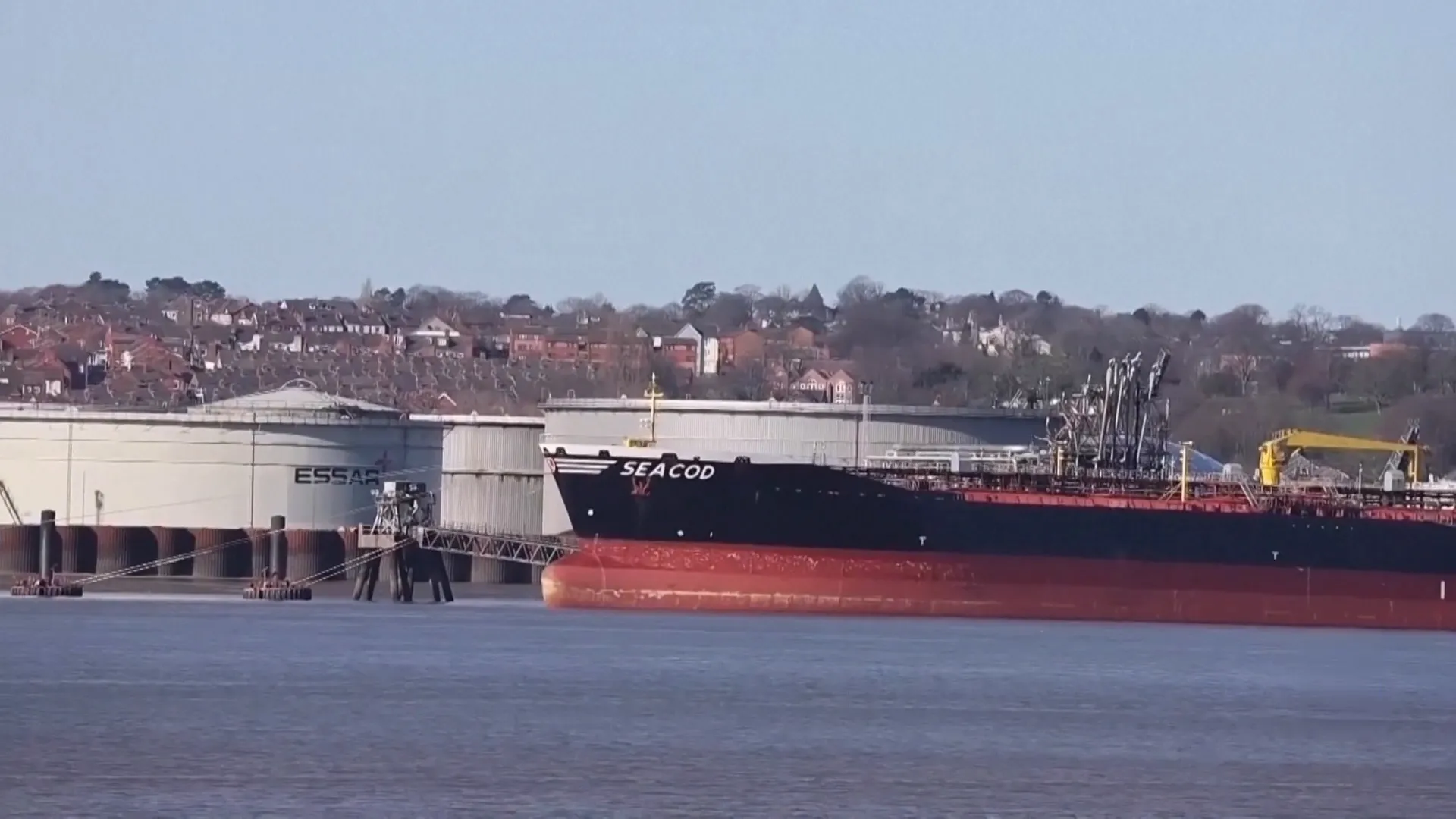
Recent reports indicate that Ukraine has intensified its drone attacks on Russia's oil and fuel export infrastructure, leading to significant impacts on the Russian oil sector. The attacks, which occurred this month, targeted all three of Russia's main oil export ports in the west of the country, raising widespread concerns about Russia's ability to sustain its oil exports.
According to calculations by Reuters, based on market data, at least 40% of Russia's oil export capacity has been halted as a result of these attacks, along with another strike targeting a major pipeline and the seizure of oil tankers. These developments indicate a significant escalation in the ongoing conflict between the two countries, which has been ongoing for more than a year.
Details of the Attacks
The Ukrainian attacks specifically target maritime ports that are vital arteries for Russian oil exports, such as the port of Novorossiysk and the port of Krasnodar. These ports play a crucial role in exporting oil to global markets, and any disruption in their operations could have serious repercussions for the Russian economy. The drone attacks, which have become more precise and effective, reflect the evolution of Ukrainian military capabilities in facing the challenges posed by the war.
Moreover, the attacks on Russian oil infrastructure come at a sensitive time, as Russia seeks to bolster its oil exports amid Western sanctions imposed on it. These sanctions aim to reduce Russia's ability to finance its war in Ukraine, making it essential for Russia to maintain the flow of oil to global markets.
Background & Context
Since the beginning of the conflict in Ukraine, the Russian oil sector has faced significant challenges due to Western sanctions. These sanctions have specifically targeted major Russian oil companies, affecting their ability to access technology and markets. As the conflict escalates, Ukraine has become bolder in targeting Russian infrastructure, reflecting a shift in war strategy.
Historically, Russia has been one of the largest oil exporters in the world, with many countries relying on Russian oil to meet their needs. However, the war in Ukraine has led to a reevaluation of these relationships, as Western nations seek to reduce their dependence on Russian oil.
Impact & Consequences
The impact of these attacks on the Russian oil sector could be far-reaching. If Ukraine continues to target oil infrastructure, it could lead to a significant reduction in Russian oil exports, negatively affecting the Russian economy. This may also result in an increase in global oil prices, as importing countries will seek alternatives.
Furthermore, the continuation of the attacks could escalate the conflict, increasing tensions in the region. This escalation could affect security stability in Europe, as neighboring countries may be directly impacted by the consequences of the conflict.
Regional Significance
For the Arab region, tensions in the Russian oil sector could impact global oil prices, reflecting on the economies of oil-producing countries in the region. Arab nations, especially those reliant on oil revenues, may find themselves in a sensitive position if prices rise significantly due to market disruptions.
Additionally, Arab countries may need to reassess their oil strategies in light of these changes, as they may seek to strengthen partnerships with other nations to secure oil supplies. At the same time, some countries may benefit from rising prices if they can increase their production.
In conclusion, developments in the Russian oil sector remain under scrutiny, as Ukrainian attacks are expected to continue affecting Russian oil exports, creating new challenges for the Russian economy and impacting global markets.