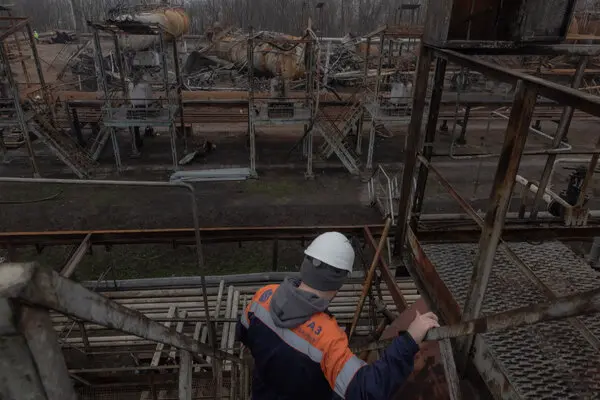
Ukrainian oil and gas company Naftogaz has invested approximately $180 million in air defense systems to protect its facilities from drone attacks. This decision is part of Ukraine's efforts to counter the increasing threats targeting its energy sector, which could serve as a model for Middle Eastern countries facing similar threats.
Naftogaz's investments include the purchase of electronic jamming systems and interceptor drones, as well as the construction of concrete barriers to protect vital equipment. The company also plans to bury pumping stations and other components in underground shelters, reflecting the importance of securing energy infrastructure amid rising geopolitical tensions.
Details of the Initiative
Naftogaz is one of the largest companies in Ukraine, playing a vital role in the production and transportation of gas and oil. Serhiy Korystky, the company's CEO, noted that the threats from drones require an effective response, indicating that energy companies worldwide, not just in Ukraine and the Middle East, will need to invest in anti-drone systems.
Concerns are growing over the use of drones in armed conflicts, as this technology has become accessible not only to states but also to non-state actors. This puts pressure on energy companies to secure their facilities, which could impact fuel prices in the future.
Background & Context
Years before the Iranian attacks on oil and gas facilities in the Middle East, Russia had already begun targeting Ukraine's energy sector. These attacks have raised awareness of the importance of securing energy infrastructure, prompting Ukraine to take proactive steps to protect its vital resources.
Historically, the Middle East has been a center for numerous armed conflicts, making it vulnerable to attacks on energy facilities. With the increasing use of drones, it has become essential for countries and companies to adopt new strategies to protect their resources.
Impact & Consequences
The increasing threats from drones require energy companies to reassess their security strategies. This may lead to higher production costs, as the expenses for jamming and interception systems will be added to fuel prices. Additionally, these investments could affect global energy prices, reflecting on consumers.
Moreover, these developments could lead to a shift in market dynamics, as companies may need to seek new technologies to protect their facilities. This shift could open the door to innovations in air defense, enhancing companies' ability to face future threats.
Regional Significance
Middle Eastern countries face similar challenges, as their energy facilities are threatened by armed groups and hostile states. Investments in air defense systems may become an urgent necessity to protect these vital installations. Furthermore, Ukraine's experiences could provide valuable lessons for Arab countries on how to confront these threats.
Ultimately, this situation underscores the importance of securing energy infrastructure amid rising geopolitical tensions, necessitating an effective response from all concerned nations.