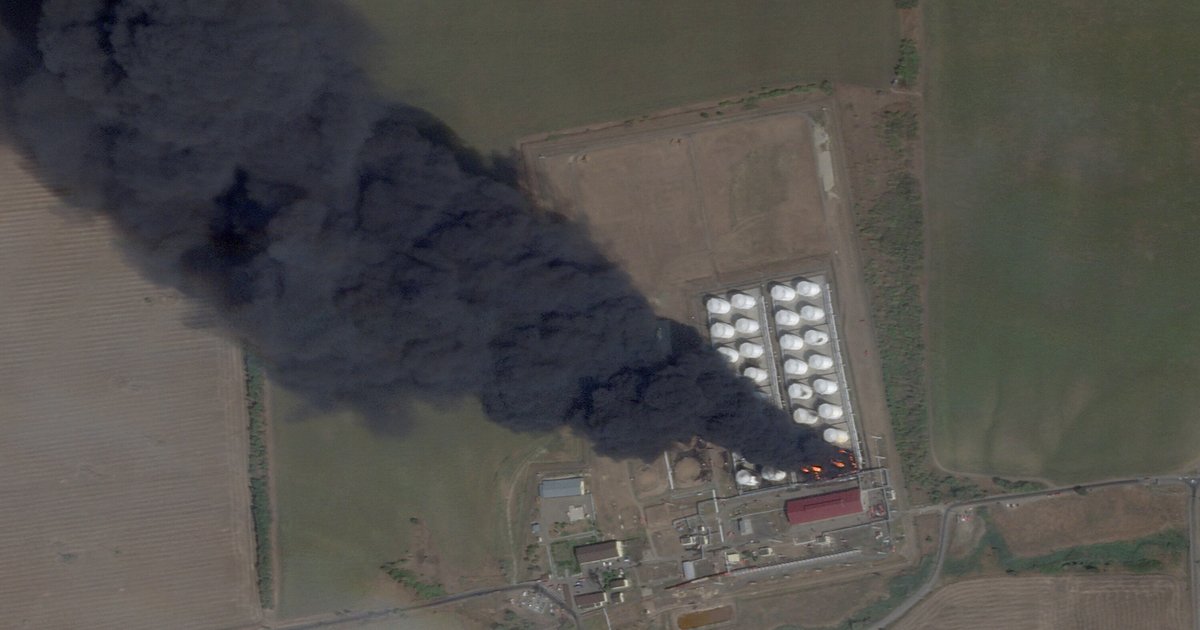
In a new escalation, Ukraine has carried out attacks on oil facilities located deep within Russian territory, reflecting a new strategy in the ongoing conflict between the two countries. These strikes occur at a sensitive time when global markets are experiencing unprecedented fuel price increases.
Reports indicate that the Ukrainian attacks specifically target facilities that play a vital role in Russian oil supplies, which could negatively affect Russia's ability to meet its internal and external energy needs.
Details of the Event
These attacks are part of a broader Ukrainian strategy aimed at undermining Russia's ability to finance its war. The strikes were executed using drones and precision missiles, demonstrating the evolution of Ukrainian military capabilities. Ukrainian military sources have confirmed that these operations aim to reduce Russia's reliance on oil exports, which constitute a major source of revenue.
In response, Russia has reinforced its air defenses and issued stern warnings to Ukraine, escalating tensions in the region. Some experts have noted that these developments could lead to a greater escalation in the conflict, negatively impacting regional security.
Background & Context
Since the onset of the conflict in 2014, relations between Ukraine and Russia have been increasingly strained, particularly after Russia's annexation of Crimea. These events have led to economic sanctions against Russia by Western countries, significantly affecting its economy. As the military conflict escalates, energy has become a strategic weapon for both sides, with Ukraine seeking to reduce its dependence on Russian energy.
Historically, Russia has been one of the largest exporters of oil and gas in the world, making it a pivotal player in global energy markets. However, rising international and economic pressures may affect its ability to maintain this role.
Impact & Consequences
These attacks are expected to increase volatility in global oil prices, as a shortage of Russian supplies may lead to further price hikes. This could have negative repercussions for the global economy, especially amid the current economic crises faced by many countries.
Moreover, rising fuel prices could impact living costs in numerous countries, increasing pressure on governments and populations. In this context, some countries may seek alternative energy sources or enhance their investments in renewable energy.
Regional Significance
The Arab region is among the most affected by fluctuations in oil prices, as many countries rely on oil revenues as a primary source for financing their budgets. With rising prices, some oil-producing countries may benefit, while others may face greater economic challenges.
Additionally, the situation in Ukraine could affect regional stability, as tensions may escalate in other parts of the world. Therefore, it is crucial for Arab countries to closely monitor these developments and take necessary measures to protect their economic interests.