Ukraine intensifies its attacks on Russian oil facilities, having recently targeted the Tuapse refinery, resulting in a large fire. These attacks are part of a systematic strategy aimed at depleting the financial resources that the Kremlin relies on to fund its war efforts.
The Ukrainian assaults on Russian energy facilities raise questions about their impact on the Russian economy and how Moscow will respond. In recent months, there has been an unprecedented escalation in attacks, reflecting Kyiv's determination to undermine Russia's ability to finance its military operations.
Details of the Event
On April 28, Ukrainian drones targeted the Tuapse refinery located on the Black Sea, leading to toxic emissions and the evacuation of local residents. This strike follows a series of attacks on Russian refineries and oil pipelines, causing significant damage to the Russian economy.
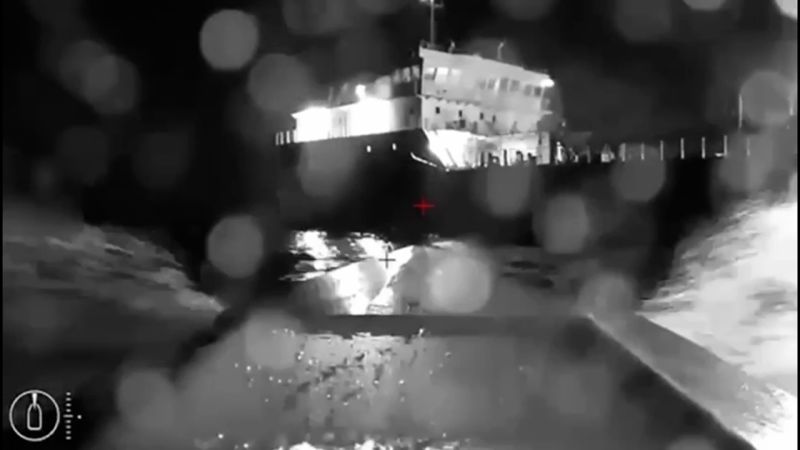
The Ukrainian attacks were not limited to the Tuapse refinery; they also included major ports such as Primorsk and Ust-Luga, which account for over 40% of Russia's maritime oil exports. Reports indicate that just five attacks in February alone cost Russia approximately $970 million in revenue.
Background & Context
The escalation by Ukraine coincides with the repercussions of the war on Iran, where oil prices have surged to record levels, providing Moscow with an opportunity to offset its losses. However, Kyiv views allowing Russia to sell its oil at high prices as giving President Vladimir Putin a chance to finance his war against Ukraine for years to come.
In response, Ukraine has decided to utilize drones to disrupt Russian ports and refineries, a commitment reinforced by Ukrainian President Volodymyr Zelensky in his ongoing pledges to target Russian energy facilities.
Impact & Consequences
The Ukrainian attacks have exposed clear vulnerabilities in Russia's defense system, with the Kremlin acknowledging its limited ability to protect energy export facilities. President Vladimir Putin admitted that Ukraine deliberately targeted these facilities, which increases the scarcity of oil supplies and disrupts global oil markets.
Analysts predict that Russia may attempt to retaliate against these attacks by bombing power stations in Ukraine, potentially turning Ukrainian cities into uninhabitable zones. They also expect Russia to bolster defenses to protect oil facilities deep within Russian territory, reflecting Kyiv's determination to exhaust these defenses.
Regional Significance
The Arab region is indirectly affected by the escalation of the conflict in Ukraine, as disruptions in oil markets could lead to rising prices, impacting the economies of oil-importing Arab nations. Furthermore, any additional escalation could affect the stability of global markets, reflecting on investments in Arab countries.
In conclusion, Russia's options remain limited after years of Western sanctions and war, while Ukraine continues its strategy to deplete Kremlin resources. This dynamic could lead to further escalation in the conflict, complicating the geopolitical landscape in the region.