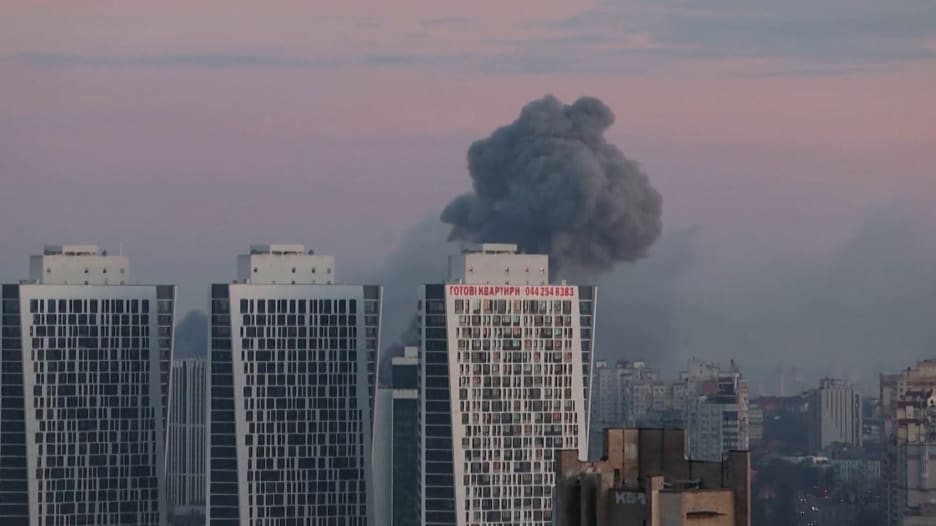
Recent satellite images have shown significant damage inflicted on the port of Primorsk, which is considered Russia's largest oil export port on the Baltic Sea, as a result of a Ukrainian drone attack. The attack, which occurred last Sunday, resulted in fires igniting in the fuel tanks at the port, threatening Russia's capacity to export more than one million barrels of oil per day.
By comparing images taken before and after the attack, it is evident that the fires erupted intensely on March 23 and continued into the following day, with thick columns of smoke rising for several kilometers, indicating the extent of the damage to the site.
Details of the Incident
According to statements from the Governor of the Leningrad Region, the attack on Primorsk is among the largest strikes targeting Russian oil export facilities since the war began four years ago. These attacks come at a time when global markets are experiencing uncertainty, as oil prices are affected by the ongoing conflict in the Middle East.
The Director of the Border Guard in the Gulf of Finland, Jukka-Pekka Lumilahti, confirmed that the fire in Primorsk has not yet been extinguished and that the flames continue to burn with the same intensity as when they started. He also noted that no oil spill has been detected so far, which could mitigate potential environmental damage.
Context and Background
These attacks are part of an escalation by Ukrainian forces targeting Russian oil facilities and export routes, as Ukraine seeks to weaken the Russian economy amid the ongoing stalemate in Washington-sponsored peace talks. Since the onset of the conflict, oil facilities have been a primary target, as oil exports represent one of the main sources of revenue for Russia.
The attacks on Primorsk are not the first of their kind; recent months have seen an increase in Ukrainian attacks on Russian infrastructure, reflecting a Ukrainian strategy aimed at undermining Russia's ability to finance its war efforts.
Impact and Consequences
The impact of the attack on Primorsk could be profound for the Russian economy, as the disruption of oil exports may lead to significant fluctuations in global prices. Oil markets, already suffering from instability due to geopolitical crises, may experience further pressure as a result of these events.
Moreover, these strikes could escalate tensions between Russia and Ukraine, potentially hindering any future efforts to reach a peace agreement. At the same time, other countries may exploit the situation to increase their oil production, which could affect the balance of the global market.
Significance for the Arab Region
For the Arab region, the events in Primorsk may influence global oil prices, which could reflect on the economies of oil-producing countries in the Gulf. Given their heavy reliance on oil revenues, any fluctuations in prices could impact the public budgets of these nations.
Furthermore, the ongoing conflict in Ukraine may lead to increased demand for oil from other countries, potentially opening new opportunities for Arab nations to boost their exports. However, these countries must also be cautious of the repercussions of any military escalation that could affect market stability.
In conclusion, the events in Primorsk remain a clear indicator of the escalating conflict between Russia and Ukraine, with significant implications for the global economy and oil markets.