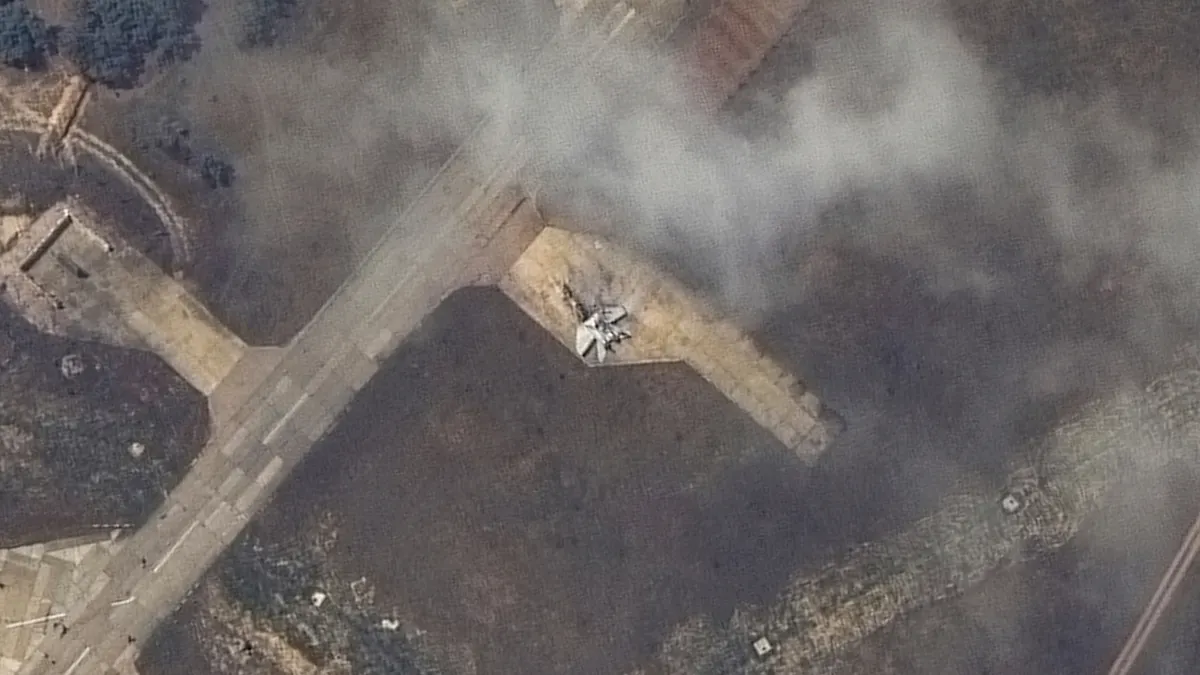
The British newspaper "Financial Times" reported that Ukrainian drone attacks in the Baltic Sea hinder Russia's ability to capitalize on rising global oil prices. These strikes reveal clear vulnerabilities in the Russian defense system, complicating the situation as the war enters its fifth year.
The Kremlin has admitted its limited capacity to protect energy export facilities, despite the vital importance of this sector. Ukrainian attacks are targeting major ports such as Primorsk and Ust-Luga, which account for over 40% of Russia's seaborne oil exports.
Details of the Attacks
Estimates indicate that just 5 attacks in a single week have cost Russia approximately $970 million in revenue, in addition to the burning of oil worth $200 million at Primorsk, the largest port for Russian oil exports in the Baltic Sea. These losses come at a time when oil prices remain high, with Brent crude trading above $110 per barrel.
The price surge is driven by the repercussions of the U.S.-Israeli war on Iran and the closure of the Strait of Hormuz, increasing the significance of Russian oil in the global market. However, Ukrainian attacks have significantly impacted energy markets, with exports from Ust-Luga declining by about 70%, leading to price increases in Asian markets.
Background & Context
These developments come at a sensitive time for the Russian economy, which heavily relies on oil revenues. The Ukrainian war has affected many aspects of economic life in Russia, including the ability to export oil. Ukrainian attacks aim to reduce Russia's production capacity, putting pressure on the Russian government.
The Kremlin faces significant challenges in protecting its vital facilities, as reports show no signs of a decrease in the frequency of attacks. Local officials confirm that the situation at targeted sites remains difficult, complicating Russia's efforts to safeguard the energy sector.
Impact & Consequences
Ukrainian attacks on Russian oil facilities have significant implications for the global economy. A decline in Russian exports could lead to price increases in global markets, affecting oil-importing countries. Additionally, these developments may prompt a reassessment of Western countries' strategies in dealing with the conflict.
Ukrainian President Volodymyr Zelensky has confirmed that his country will not cease its attacks on Russian oil facilities until Moscow ends its war. This stance reflects Ukraine's determination to pressure Russia, despite the pressures it faces from some Western partners to ease the attacks.
Regional Significance
Arab countries are directly affected by rising oil prices due to these developments. Many nations rely on oil as a primary source of revenue, and any price increase could improve the economic situation in some countries. However, disruptions in global markets may lead to price volatility, affecting development and investment plans in the region.
In conclusion, the situation in the Baltic Sea and global markets remains under observation, as the continuation of Ukrainian attacks could alter market dynamics and impact price stability.